Common Roofing Problems in the Bay Area
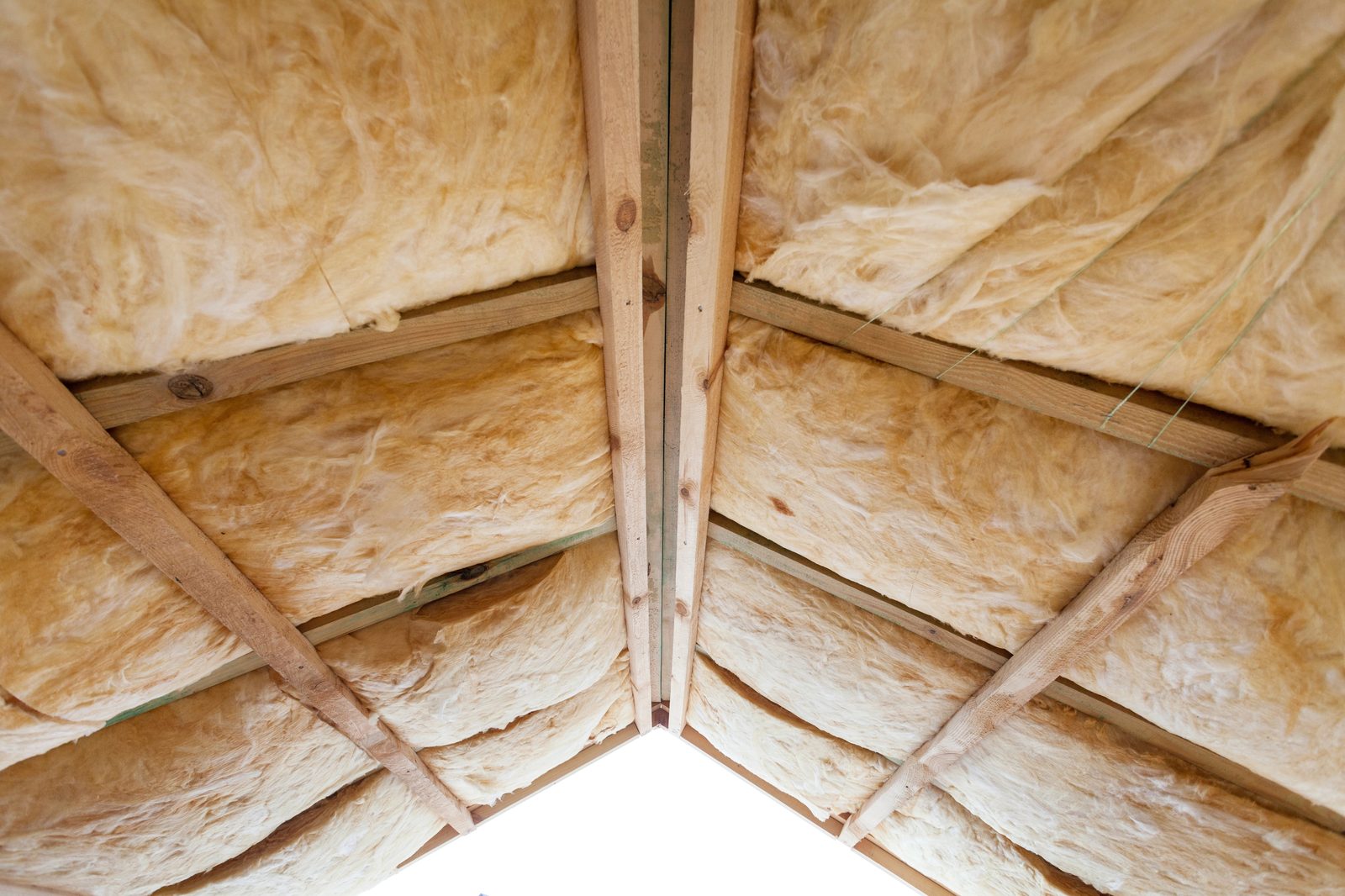
Roofing problems in the Bay Area range from water leaks and storm damage to missing shingles and drainage issues, often caused by the region's unique weather patterns. Bay Area roofs encounter specific problems because coastal fog, winter storms, and temperature fluctuations stress roofing materials in ways that differ from drier inland climates.
Understanding these common issues helps homeowners catch problems early, before minor damage becomes expensive structural repairs. The key to protecting your home is knowing what signs indicate trouble and when professional help is necessary.
Signs Your Roof Needs Attention
Warning signs appear both inside and outside your home. Visual indicators include curling or cracked shingles, discoloration on roof surfaces, and obvious missing pieces. From inside, water stains on ceilings, daylight visible through attic boards, or wet insulation signal that water is penetrating your roof system.
Age-related concerns become more common as roofs approach 15 to 20 years old. Materials deteriorate from constant exposure to UV rays, temperature changes, and moisture. Early detection of these warning signs saves money because small repairs cost far less than addressing water damage to interior walls, insulation, and structural framing.
Water-Related Issues
Water damage represents the most frequent category of roofing problems in the Bay Area. Roof leak repair becomes necessary when water finds entry points through damaged shingles, failed flashing, or worn-out seals around roof penetrations. Leaks often start small but spread rapidly once water reaches interior spaces, damaging insulation and drywall.
Flat roof ponding occurs when commercial or low-slope residential roofs develop standing water that doesn't drain within 48 hours. Ponding accelerates roof deterioration by keeping materials constantly wet, eventually causing leaks and membrane failure. Gutter problems directly affect roof health because clogged or damaged gutters cause water to back up under roof edges. When gutters overflow during heavy rain, water flows back onto roof surfaces and can seep under shingles near the roofline.Bay Area fog and coastal moisture create unique challenges. Persistent dampness from morning fog prevents roofs from fully drying, which shortens material lifespan and promotes moss or algae growth. Winter rainstorms between November and March deliver most of the region's annual rainfall in concentrated periods, testing roof systems with wind-driven rain that forces water into small gaps.
Weather Damage
Winter storms bring the most visible roofing damage. Storm damage from high winds and heavy rain affects thousands of Bay Area roofs each year, particularly during atmospheric river events that deliver sustained winds and rainfall over multiple days. Wind damage often tears off sections of roofing material or loosens flashing around chimneys and vents.
Missing or damaged shingles become apparent after wind events, appearing as bare patches on the roof where underlayment shows through. Even a few missing shingles create entry points for water and expose the protective layer underneath to UV damage and weathering.Prompt repair matters because weather damage rarely stays isolated. One missing shingle allows water underneath, which can spread to adjacent shingles and cause additional failures. Storm damage should be assessed within days of severe weather to prevent compounding problems.
Structural Problems
Structural issues indicate more serious concerns that may require roof replacement rather than simple repairs. Sagging or uneven rooflines suggest that the roof deck or support structure has weakened, often from long-term water damage or age-related deterioration. These conditions require immediate professional evaluation because they can indicate safety hazards.
Poor ventilation consequences include premature shingle failure from excessive attic heat, moisture buildup that rots wood framing, and increased energy costs from inadequate airflow. Bay Area homes with sealed attics often trap moisture from coastal fog, creating ideal conditions for wood rot and mold growth.
Age-related deterioration becomes unavoidable as roofing materials reach the end of their design life. Asphalt shingles typically last 20 to 25 years in the Bay Area, while tile and metal roofs last longer. Distinguishing between repairable age-related wear and conditions requiring full replacement requires professional assessment. Multiple areas of failure, widespread granule loss on shingles, or extensive cracking usually indicate that replacement makes more economic sense than ongoing repairs.
When to Call a Professional
Emergency situations require immediate professional response. Active water intrusion during storms, large sections of missing roofing material, or visible structural sagging demand same-day or next-day attention. These conditions allow rapid damage progression that affects not just the roof but interior spaces and structural integrity.
Non-emergency but urgent situations include a few missing shingles, small leaks during dry weather, or visible damage to flashing. These should be addressed within days to weeks. Even minor problems worsen over time as water, UV exposure, and temperature cycles stress already-compromised materials.
Professional contractors bring expertise in identifying underlying causes, not just visible symptoms. A few missing shingles might indicate improper installation, manufacturer defects, or approaching end-of-life for the entire roof. Licensed professionals can assess the full scope of problems and recommend repairs that address root causes.
Bay Area roofing contractors listed in this directory hold California contractor licenses, carry proper insurance, and have experience with the region's specific roofing challenges. Finding qualified local help ensures repairs are done correctly and meet code requirements for your area.
Small problems become expensive repairs when ignored. Water damage spreads behind walls, ruins insulation, and promotes mold growth. What starts as a $500 shingle replacement can become a $5,000 interior restoration project if water reaches living spaces. Acting promptly on visible problems protects your home and saves money over time.