Storm Damage Roof Repair in the Bay Area
Storm damage to Bay Area roofs includes wind-lifted shingles, debris impact, and water intrusion from wind-driven rain, typically requiring professional inspection and insurance claims. Bay Area winter storms damage roofs because high winds, heavy rain, and falling debris stress roofing materials beyond normal tolerances, creating conditions that overwhelm even well-maintained roof systems.
Understanding storm damage types, assessing severity, and responding quickly prevents minor damage from becoming major structural problems. Most storm damage qualifies for insurance coverage, making professional documentation and prompt action financially important.
Types of Storm Damage to Roofs
Wind damage represents the most common storm-related problem in the Bay Area. High winds lift shingle edges, breaking the adhesive seal that keeps them flat against the roof. Once lifted, shingles often tear completely away, exposing underlayment to further weather exposure. Loosened flashing around chimneys, skylights, and vents creates immediate leak risks because these metal seals protect the most vulnerable roof penetrations.
Rain intrusion occurs when wind-driven rain forces water under shingles and through gaps that normally shed water effectively. Atmospheric river storms bring sustained heavy rainfall combined with strong winds that push water horizontally against roof surfaces and up under shingle overlaps. This combination overwhelms roof systems designed primarily for gravity-driven water shedding.
Debris impact from tree branches, outdoor furniture, or objects blown from neighboring properties causes visible damage ranging from broken shingles to punctured roof decking. Large branches can crack or break roof framing, while smaller debris creates entry points for water. Bay Area winter storms frequently bring down tree limbs, particularly during atmospheric river events when saturated soil loosens tree roots.
Hail damage occurs rarely in the Bay Area compared to other regions, but occasional hailstorms can dent metal flashing, crack asphalt shingles, or break tile roofing. When hail does occur, damage appears as circular impact marks, fractured shingle surfaces, or dented metal components.
Bay Area winter storm patterns peak between November and March, with atmospheric rivers delivering the most intense damage. These weather systems bring 24 to 48 hours of sustained wind and rain that test every roof weakness. Coastal areas and hilltop locations experience stronger winds, while valleys see more debris from surrounding trees. Understanding these regional patterns helps homeowners recognize when professional inspection makes sense after significant weather events.
Assessing Damage After a Storm
Safe ground-level inspection using binoculars allows homeowners to check for obvious damage without climbing. Look for missing or lifted shingles, damaged flashing, debris on the roof, or visible sagging. Scan edges and peaks where wind damage concentrates, and check areas around chimneys and vents where flashing failures commonly occur.
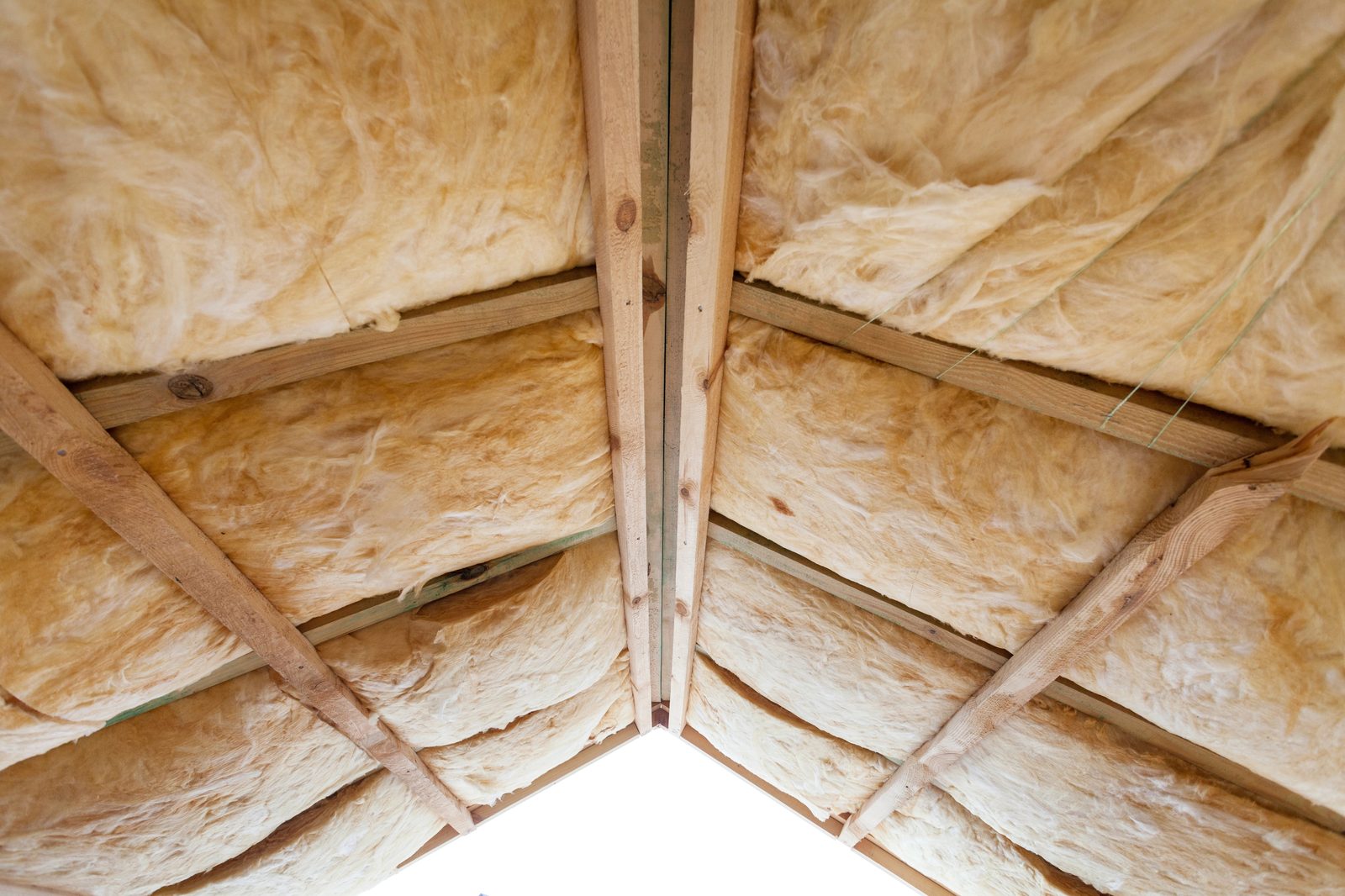
Interior checks provide critical evidence of water intrusion. Visit the attic during or immediately after storms to look for active leaks, wet insulation, or water stains on roof decking. Check ceilings throughout the house for new water marks or soft spots. Interior evidence often reveals damage not visible from outside.
Professional inspection becomes necessary when homeowners observe any significant damage, when interior water intrusion occurs, or when planning to file insurance claims. Contractors trained in storm damage assessment can identify problems homeowners miss and provide documentation insurance companies require. Most Bay Area roofing contractors offer free or low-cost post-storm inspections.
Documenting damage means taking clear photos of all affected areas from multiple angles, noting the date and time. Photograph missing shingles, damaged flashing, debris impact points, and any interior water damage. This documentation supports insurance claims and helps contractors provide accurate estimates. Take photos before any temporary repairs like tarping, then document the temporary protection measures as well.
Signs of serious damage include multiple areas of missing shingles, visible roof sagging, large debris penetrating the roof surface, or active water pouring into interior spaces. Minor damage might be a few lifted shingles, small leaks, or cosmetic issues without water intrusion. When in doubt, professional inspection provides definitive assessment and peace of mind.
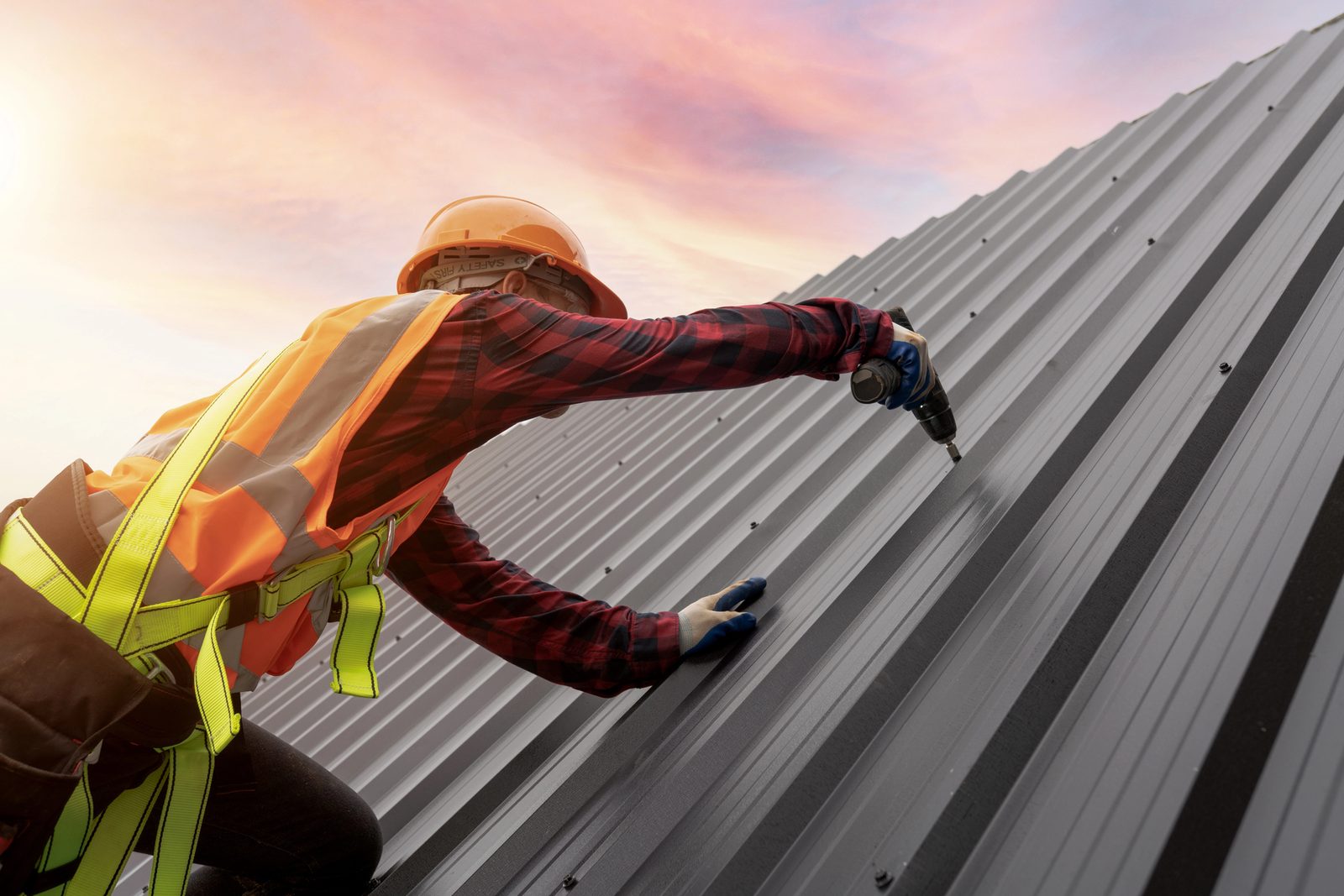
Never climb on storm-damaged roofs. Structural integrity may be compromised in ways not visible from the surface, and wet roofing materials are extremely slippery. Falls from roofs cause serious injuries and deaths every year. Professional contractors have safety equipment, training, and insurance for roof access. Let them handle the dangerous work.
Emergency Roof Repairs and Temporary Protection
Tarping damaged areas provides immediate water protection while awaiting permanent repairs. Blue poly tarps sized to extend beyond damaged areas and secured with wood boards prevent additional water entry. Proper tarping extends over the roof peak when possible, allowing water to drain off rather than pooling under the tarp.
Emergency leak containment inside includes bucket placement, moving furniture away from active leaks, and using plastic sheeting to protect valuables. Turn off electricity to circuits near active leaks to prevent shock hazards. Document all interior damage with photos before cleaning up water, as this evidence supports insurance claims.
When to call 24-hour emergency services versus waiting for business hours depends on damage severity. Active water intrusion affecting living spaces, electrical hazards from water near fixtures, or major structural damage warrant immediate emergency response. A few missing shingles during dry weather can wait until normal business hours for contractor availability.
True emergencies involve immediate safety risks or rapidly progressing damage. Water pouring through ceilings, visible roof sagging, or large sections of missing roofing material justify emergency service calls. Contractors responding to emergencies typically provide temporary protection (tarping) immediately, with permanent repairs scheduled within days once materials are available and weather permits.
Realistic timelines for emergency response range from 2 to 24 hours depending on storm severity and contractor availability. During major storm events affecting thousands of homes, even emergency services face delays due to demand. Contractors prioritize based on severity, addressing immediate safety hazards before cosmetic damage. Roof leak repair services handle water intrusion that develops from storm damage, addressing both the structural repair needed and the leak mitigation required to protect interior spaces.
Filing an Insurance Claim
Storm damage coverage under homeowners insurance typically includes wind damage, rain intrusion from storm-created openings, and debris impact. Insurance covers sudden, accidental damage but excludes gradual deterioration from age or poor maintenance. The key distinction is whether damage occurred during a specific storm event versus developing over time.
Documenting damage before repairs begins with photos showing the full extent of problems. Take wide shots showing the overall roof and close-ups of specific damage. Photograph debris that caused damage, interior water stains, and any temporary protection measures. Professional inspection reports provide additional documentation insurance companies value highly.
Professional inspection for claims gives adjusters confidence in damage assessments. Contractors experienced with insurance work know what documentation companies require and can advocate for complete repairs rather than minimal patches. The inspection report becomes part of your claim file, supporting your request for coverage.
Deductible considerations affect whether filing claims makes financial sense. If repair costs barely exceed your deductible, paying out of pocket avoids potential rate increases. For major damage costing thousands beyond the deductible, filing claims provides clear financial benefit. Discuss deductible amounts with your insurance agent before deciding.
Timeline requirements for filing claims typically allow 30 to 60 days after discovering damage, but prompt filing works best. Contact your insurance company within 24 to 48 hours of storm damage, as this starts the inspection and approval process. Delays in filing can raise questions about whether damage truly occurred during the claimed storm event.
Working with contractors who handle insurance involves finding professionals experienced in claim documentation and adjuster communication. These contractors understand repair scopes insurance companies approve and can negotiate directly with adjusters. Many provide free inspections specifically for insurance claim documentation.
Storm damage versus maintenance issues determines coverage. Missing shingles from a documented wind event qualify for coverage. Missing shingles from 20-year-old roof deterioration do not. Insurance pays for sudden, storm-caused damage while excluding problems developing from age, wear, or lack of maintenance. Professional inspections help establish this distinction by identifying specific storm damage patterns.
Finding Emergency Roofing Contractors
Bay Area contractors offering emergency services maintain on-call staff for storm response. These companies typically respond within hours for true emergencies, providing tarping and temporary protection immediately with permanent repairs scheduled based on weather and material availability. Central Bay Roofing and Pacific Coast Roofing both offer emergency storm damage response throughout the Bay Area.
California license verification through the Contractors State License Board website confirms contractors hold current C-39 roofing classification and have no serious disciplinary history. Licensed contractors carry required bonding and insurance, protecting homeowners from liability and financial loss if work fails or causes additional damage.
Insurance company preferred contractor lists provide options, but homeowners have the right to choose any licensed contractor. Preferred contractors may offer streamlined claim processing, but independent contractors often provide competitive pricing and personalized service. Evaluate multiple options before deciding based solely on insurance company recommendations.
Avoiding storm-chasing scams requires vigilance after major weather events. Warning signs include out-of-state contractors going door-to-door, pressure tactics claiming immediate commitment is required, cash-only payment demands, or offers to waive insurance deductibles. Legitimate local contractors maintain permanent business locations, provide written estimates with no-pressure timelines, accept standard payment methods, and never offer to waive deductibles (which constitutes insurance fraud).
Questions to ask emergency contractors include: Are you licensed and insured in California? How soon can you provide temporary protection? What's your timeline for permanent repairs? Do you have experience with insurance claims? Will you provide written estimates? Satisfactory answers demonstrate professionalism and establish realistic expectations.
Response time expectations during major storms should account for high demand. Truly emergency situations (active major leaks, structural damage) typically receive same-day or next-day response. Less urgent damage may wait several days during peak demand periods. Contractors should communicate realistic timelines rather than making promises they cannot keep.
Bay Area roofing contractors providing comprehensive roof repair services handle storm damage assessment, emergency tarping, insurance documentation, and permanent restoration. These services restore both structural integrity and aesthetic appearance, using materials matching existing roof systems when possible. Missing shingles represent the most visible storm damage indicator, requiring prompt replacement to prevent water intrusion and additional material failure.
Find emergency roofing contractors near you through the directory of licensed Bay Area professionals. Listed contractors serve specific cities throughout the region and maintain appropriate licensing, bonding, and insurance for storm damage repair work.Frequently Asked Questions
Q: Is storm damage to my roof covered by homeowners insurance?
A: Yes, most homeowners insurance policies cover storm damage to roofs, including wind damage and water intrusion from storms. Document damage immediately with photos and contact your insurance company within 30 to 60 days to file a claim. Maintenance-related issues are typically not covered.
Q: How quickly can I get emergency roof repair after a storm?
A: Most Bay Area roofing contractors offering emergency services respond within 2 to 24 hours, depending on storm severity and demand. True emergencies (active leaks, major structural damage) receive priority. Temporary tarping typically happens same-day, with permanent repairs scheduled within days.
Q: Should I repair my roof before calling insurance?
A: Make temporary emergency repairs (tarping) to prevent further damage, which insurance typically covers. Document all damage with photos before tarping. Avoid permanent repairs until your insurance adjuster inspects the damage, as this can affect your claim.
Q: How do I know if storm damage is serious?
A: Serious storm damage includes multiple missing shingles, visible structural sagging, active water intrusion, or large debris impact. Minor damage might be a few lifted shingles or small leaks. When in doubt, professional inspection (often free) provides accurate assessment.
Q: What's the average cost of storm damage roof repair in the Bay Area?
A: Storm damage repairs in the Bay Area range from $500 for minor shingle replacement to $5,000 or more for extensive damage. Insurance typically covers costs minus your deductible. Emergency tarping costs $300 to $600. Get multiple estimates and ensure contractors work with insurance companies.