Roof Repair Services in the Bay Area
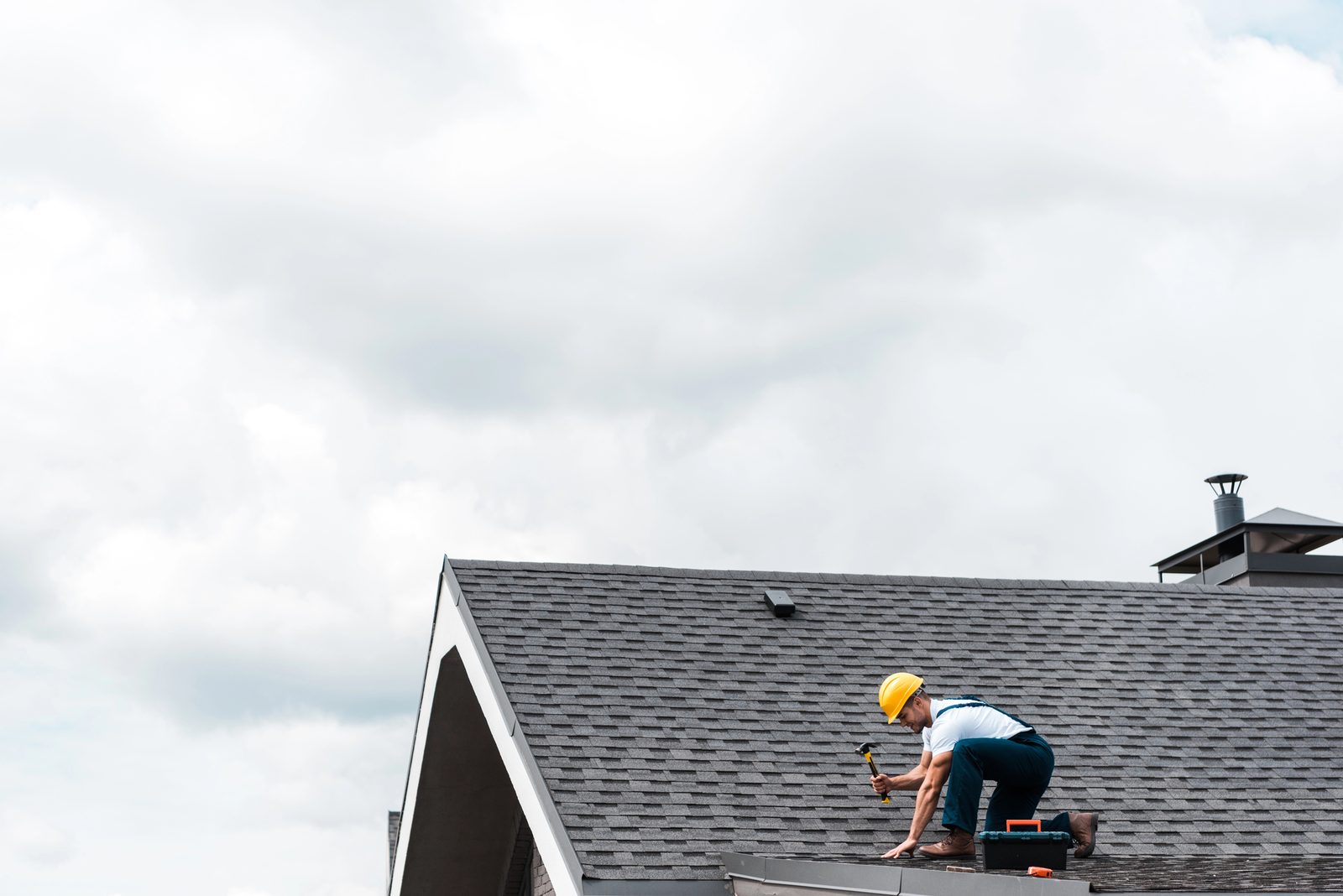
Bay Area homeowners need roof repair when leaks, missing shingles, or storm damage compromise their homes. Licensed contractors in San Francisco, Oakland, Alameda, and surrounding cities provide emergency and scheduled repair services ranging from $300 for minor fixes to $3,000+ for extensive work. This directory connects property owners with verified roofing professionals who understand local climate conditions and building requirements.
Finding a qualified contractor means verifying California licenses through CSLB, checking insurance coverage, and comparing written estimates from multiple roofers. Featured contractors like Central Bay Roofing (license #435272, serving the Bay Area since 1978) and Pacific Coast Roofing Service offer residential and commercial repair services throughout the region.
Common Roof Repairs in the Bay Area
Roof leak repair represents the most common service request Bay Area contractors receive, particularly during the October-through-April rainy season. Water infiltration through damaged shingles, deteriorated flashing, or compromised roof valleys requires immediate attention to prevent interior damage and mold growth.
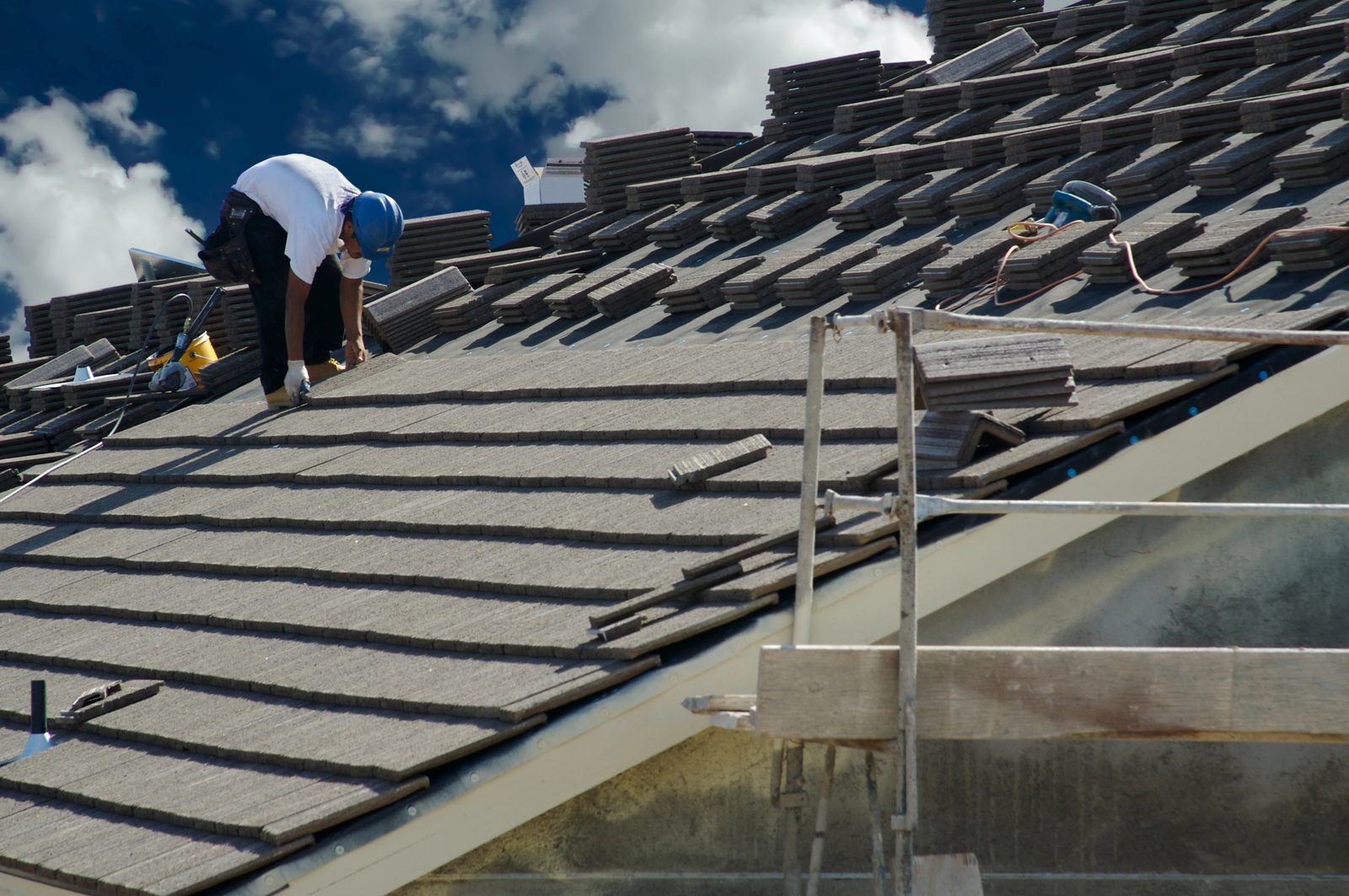
Missing or damaged shingle replacement addresses wind damage and age-related wear. Bay Area coastal winds can lift shingles, while fog and moisture accelerate asphalt shingle deterioration compared to drier California regions. Contractors typically replace individual shingles or entire sections depending on damage extent.
Flashing repair around chimneys, skylights, and roof vents prevents water entry at vulnerable transition points. Metal flashing corrodes faster in coastal fog areas, making this repair more common in San Francisco and western Oakland neighborhoods. Properly installed flashing should last 15-20 years before requiring replacement.
Gutter and downspout repair ensures proper water drainage away from roof edges and foundation. Clogged or damaged gutters cause water to back up under shingles, creating leaks that appear unrelated to the actual failure point. Regular gutter maintenance reduces emergency repair calls.
Storm damage repair addresses immediate needs after high winds, falling branches, or heavy rain events. Contractors assess structural integrity, install temporary protection like tarps, and schedule permanent repairs once insurance claims are processed.
Dry rot repair becomes necessary when prolonged moisture exposure deteriorates roof decking or support beams. Bay Area fog creates perfect conditions for dry rot in poorly ventilated attic spaces. This repair often requires replacing sections of roof decking before applying new roofing materials.
When to Repair vs. Replace Your Roof
Age serves as the primary decision factor. Roofs under 15 years old with isolated damage typically benefit from repair. Roofs over 20 years old with multiple problem areas often need replacement to avoid ongoing repair costs.
Damage extent determines whether repair makes financial sense. Isolated leaks affecting less than 30% of roof surface area can be repaired cost-effectively. Widespread damage across multiple roof sections, particularly with underlying structural issues, justifies replacement consideration.
Cost comparison provides clear guidance: when repair estimates approach 50% of roof replacement cost, replacement delivers better long-term value. A $4,000 repair on a roof that would cost $8,000 to replace suggests considering full replacement, especially if the roof approaches end-of-life expectancy.
Energy efficiency improvements available with new roofing materials may justify replacement over repair. Modern cool roof systems reduce cooling costs in Bay Area summers, while improved insulation and ventilation requirements in new installations provide benefits beyond simple leak fixes.
Future home sale plans influence the decision. Sellers facing repairs might choose replacement to avoid buyer concerns during inspections. A new roof adds marketable value and eliminates negotiation points. If repair costs approach 50% of roof replacement cost, or if your roof is over 20 years old with widespread damage, replacement may be more cost-effective than ongoing repairs.
Cost of Roof Repairs in the Bay Area
Minor repairs typically cost $300-$800 and address small leaks, replacing a few shingles, or fixing isolated flashing issues. These repairs usually complete in 2-4 hours and require minimal material investment. Emergency leak patching during active rainfall falls into this category.
Moderate repairs range from $800-$2,000 and involve multiple repair areas, extensive flashing replacement, or addressing water damage that affected roof decking. Repairing storm damage across several roof sections, replacing valley flashing, or fixing chimney flashing and surrounding shingles represents typical moderate repair work requiring one to two days.
Major repairs cost $2,000-$5,000 and address extensive damage, structural issues, or multiple system failures. Replacing large roof sections, repairing or reinforcing compromised roof decking, addressing widespread dry rot, or fixing multiple leak sources across different roof areas requires this investment level. Complex Victorian home roof repairs in San Francisco often reach this range due to architectural complexity.
Emergency service premiums apply for after-hours, weekend, or holiday repairs. Contractors charge 1.5x to 2x normal rates for emergency calls, but preventing interior damage often justifies the premium. Same-day tarping services typically cost $400-$800 depending on roof size and access difficulty.
Several factors affect final costs. Roof pitch steepness requires additional safety equipment and slows work. Building height adds equipment and labor costs. Material quality varies from basic three-tab shingles to architectural shingles matching existing roof appearance. Roof accessibility impacts pricing when contractors must hand-carry materials or use specialized equipment to reach difficult locations.
Bay Area labor costs run higher than national averages, with skilled roofing labor commanding premium rates in San Francisco and peninsula cities. Getting three written estimates from licensed contractors helps identify fair market pricing and outlier bids that may indicate problems.
Emergency Roof Repair Services
Active leaks during rainstorms constitute roofing emergencies requiring immediate response. Water entering living spaces damages ceilings, walls, flooring, and personal property while creating electrical hazards near outlets and fixtures. Storm damage exposing roof decking to weather or creating safety hazards from hanging materials also requires emergency attention.
Temporary repair options provide immediate protection while homeowners arrange permanent fixes. Tarping covers damaged roof sections with heavy-duty waterproof material secured to prevent wind uplift. Emergency patches using roofing cement and temporary shingles stop active leaks until contractors complete proper repairs. These solutions typically last days to weeks depending on weather conditions.
Response times vary by contractor availability and weather conditions. Many Bay Area contractors offer same-day service for true emergencies, with arrival times of 2-6 hours depending on call volume. Twenty-four-hour emergency service means contractors respond within a day, suitable for serious but not actively dangerous situations. Featured contractors like Central Bay Roofing and Pacific Coast Roofing Service maintain emergency response capabilities for existing and new customers.
While waiting for contractor arrival, homeowners should contain water with buckets and towels, move valuables away from active leak areas, and document damage with photos for insurance claims. Avoid climbing on roofs during storms or when conditions are unsafe. If roof leak repair requires immediate attention, professional emergency services prevent injury risks associated with DIY attempts in dangerous conditions.
How to Find a Qualified Roof Repair Contractor
Verifying California contractor licenses through the Contractor's State License Board (CSLB) website confirms legal authority to perform roofing work. Search by contractor name or license number to view license status, classification, bonding information, and any disciplinary actions. Licensed contractors carry C-39 (roofing) classification in California.
Insurance verification protects homeowners from liability. Request certificates of insurance showing current general liability coverage and workers' compensation insurance. General liability covers property damage during work, while workers' compensation protects homeowners from injury claims if workers get hurt on the property. Contractors without proper insurance transfer financial risk to property owners.
Customer feedback on Yelp, Google, and Better Business Bureau provides insight into contractor reliability and work quality. Look for patterns in reviews rather than individual complaints. Consistent issues with communication, timeline adherence, or quality warrant concern. Recent reviews matter more than older ones as contractors and ownership can change.
Multiple written estimates allow comparison of scope, materials, pricing, and warranties. Detailed estimates specify exact work to be performed, materials by brand and grade, labor costs, permit fees, and project timeline. Vague estimates or significant price variations between contractors suggest different scopes of work requiring clarification.
References and past work examples demonstrate contractor capabilities. Ask for recent projects similar to your repair needs. Contact references to ask about communication, timeline adherence, cleanliness, and whether they would hire the contractor again. Licensed contractors should readily provide references without hesitation.
Warranty terms vary significantly between contractors. Material warranties come from manufacturers, but labor warranties depend on individual contractors. Standard labor warranties range from one to five years. Understand what warranty coverage includes and excludes before signing contracts. Learn more about how to hire a roofing contractor and what questions to ask before committing to any repair work.
Warning signs include cash-only payment demands (legitimate contractors accept checks and cards), no physical business address, pressure to sign immediately, requests for large upfront deposits exceeding 10% of project cost, and unlicensed contractors offering significantly lower prices. Be aware of roofing scams to avoid, including unlicensed contractors and high-pressure sales tactics after storms.
Bay Area Climate and Your Roof
Coastal fog and persistent marine moisture create unique challenges for Bay Area roofs. Fog contains salt particles that accelerate metal flashing corrosion and promote organic growth on shingles. Western-facing roof slopes receive more moisture exposure, showing wear patterns different from eastern slopes. Contractors familiar with these conditions recommend preventive flashing inspections every 5-7 years rather than the 10-year intervals common in drier regions.
Seasonal rain patterns concentrate roof stress during October through April, when most Bay Area rainfall occurs. Roofs sit dry for six months, then face sustained moisture exposure during winter. This wet-dry cycle expands and contracts roofing materials, creating separation at fasteners and seams. Summer drying allows repairs to complete with minimal weather delays.
Temperature swings remain moderate compared to inland California, reducing thermal expansion stress on roofing materials. Bay Area roofs rarely face the 40-50 degree daily temperature variations common in Central Valley locations. This mild climate extends roof lifespan, with asphalt shingles often exceeding manufacturer estimates by several years when properly maintained.
Wind exposure varies significantly by location. Coastal neighborhoods face stronger sustained winds that test shingle adhesion and flashing security. Hilltop properties throughout San Francisco, Oakland, and Berkeley experience uplift forces requiring additional fasteners during installation and more frequent inspection for wind damage.
Victorian homes in San Francisco present unique roofing challenges. Complex roof geometries with multiple valleys, dormers, and decorative elements create numerous water collection points and transition areas. Historical building requirements may mandate specific materials or installation methods. Browse San Francisco roofing contractors who understand Victorian home roof systems and coastal climate challenges.
Earthquake-related roof movement occurs subtly over time as buildings settle and shift during minor seismic activity. While major damage is rare, persistent small movements can separate flashing from chimneys and create gaps at roof penetrations. Bay Area contractors check these transition points during routine inspections, as homeowners rarely notice gradual separation until leaks develop.
Local expertise matters because contractors familiar with Bay Area conditions recognize fog-related corrosion, understand seasonal repair scheduling around rain patterns, and know which materials perform best in marine environments. Oakland roofing contractors serving East Bay neighborhoods understand the transition from coastal to inland conditions affecting material selection and maintenance schedules.
Frequently Asked Questions About Roof Repair
Q: How much does it cost to fix a leaky roof in the Bay Area?
Minor leak repairs typically cost $300-$800, while extensive leak repairs can run $1,500-$3,000. Costs depend on leak location, damage extent, and roof accessibility. Emergency repairs may include after-hours premiums.
Q: Can a roof leak be repaired from the inside?
Inside repairs are temporary solutions only. While you can patch ceiling damage or contain water, the leak source must be fixed from the outside by accessing the roof surface. Inside-only repairs will fail.
Q: Is a leaking roof covered by insurance?
Homeowners insurance typically covers sudden roof damage from storms or falling objects. Gradual wear, lack of maintenance, and aging are usually not covered. Document damage immediately and contact your insurer before repairs.
Q: How long does roof repair take?
Minor repairs (replacing shingles, small leaks) take 2-4 hours. Moderate repairs require 1-2 days. Extensive repairs may take 3-5 days. Emergency tarping can be done same-day within hours.
Q: What questions should I ask a roofing contractor?
Ask for their California contractor's license number, insurance certificates, written estimates with material specifications, warranty terms, project timeline, and references. Verify their license through CSLB before hiring.
Q: How often should you replace your roof in California?
Asphalt shingle roofs last 15-25 years in California's mild climate. Bay Area roofs may last longer than inland areas due to less extreme temperatures. Inspect annually and repair promptly to maximize lifespan.
Find Roof Repair Contractors in Your Bay Area City
This directory features licensed contractors serving multiple Bay Area cities including San Francisco, Oakland, Alameda, Berkeley, and Richmond. Each contractor maintains California licensing, insurance coverage, and meets basic vetting criteria for directory inclusion.
Central Bay Roofing (license #435272) has served Alameda and surrounding East Bay communities since 1978, offering residential and commercial roof repair services. Pacific Coast Roofing Service provides repair services throughout Richmond and western Contra Costa County, with particular expertise in coastal area roofing challenges.
Comparing multiple contractors helps identify the best fit for specific repair needs, scheduling requirements, and budget constraints. Featured roofing contractors maintain different specialties, service areas, and capacity levels. Some focus on emergency response while others specialize in complex Victorian home repairs or commercial properties.
Review contractor profiles to check service areas, verify current licensing status, read customer feedback, and understand each contractor's approach to repair work. Request estimates from at least three contractors to compare pricing, scope, and timeline proposals. Different contractors may recommend different repair approaches based on their assessment of underlying damage.
Directory listings provide starting points for contractor research, but homeowners should independently verify licenses, insurance, and references before hiring. The contractors featured represent established Bay Area businesses with verifiable track records, but individual project experiences depend on clear communication, detailed contracts, and mutual expectations between homeowner and contractor.