Roof Leak Repair in the Bay Area
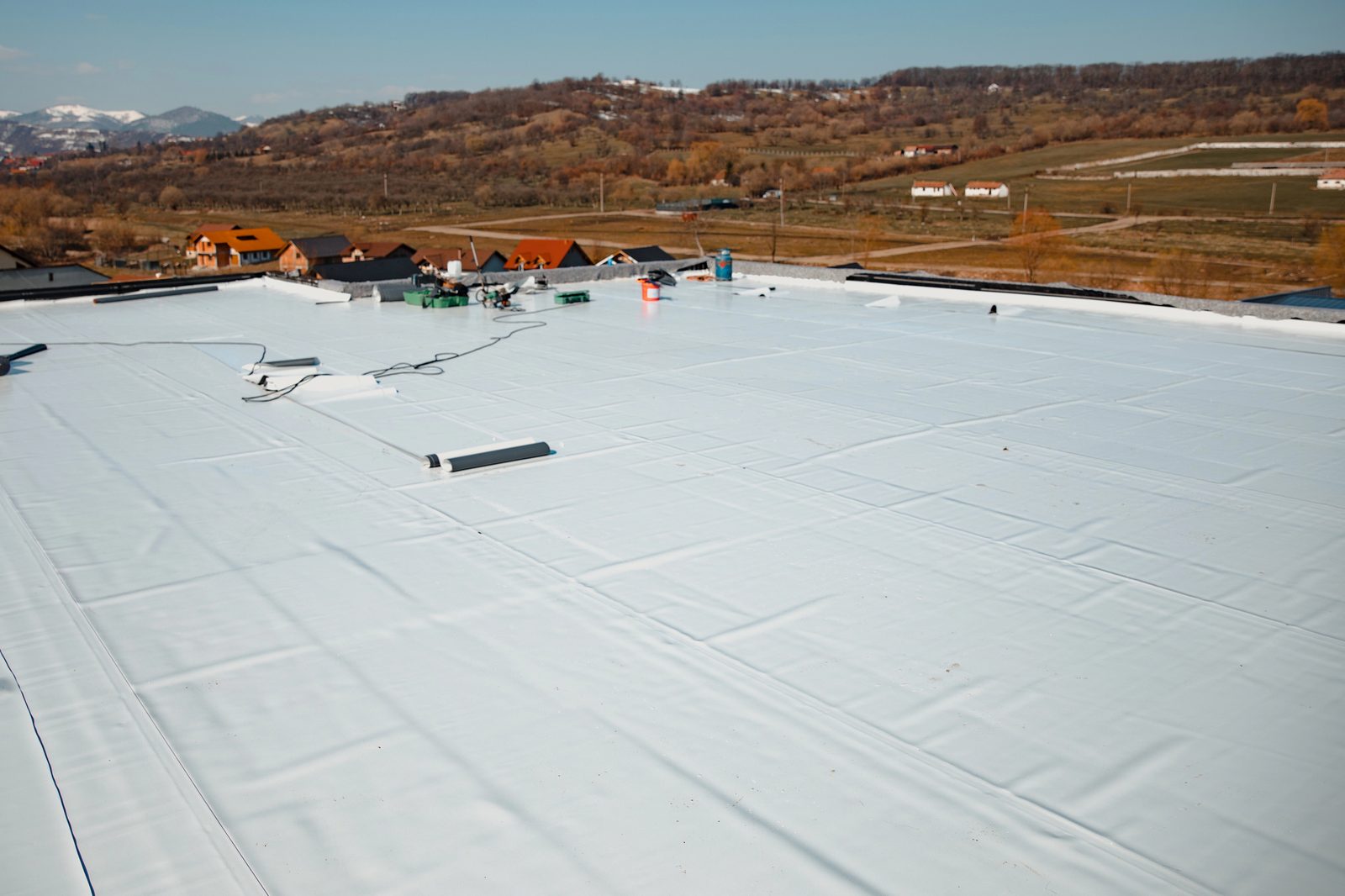
Roof leaks in the Bay Area occur when water penetrates damaged shingles, failed flashing, or storm-damaged areas, requiring professional repair to prevent structural damage. Bay Area roofs develop leaks because winter storms, aging materials, and poor maintenance create entry points for water that can quickly spread through interior spaces.
Water damage doesn't stay contained. Once moisture enters your attic or ceiling spaces, it spreads to insulation, drywall, and structural wood. Quick action prevents minor leaks from becoming major restoration projects involving mold remediation and structural repairs.
Signs of a Roof Leak
Interior signs appear first in most cases. Water stains on ceilings show as brown or yellowish discoloration, often appearing in circular patterns that spread over time. Active dripping during rainstorms provides obvious evidence, but many leaks only create dampness that homeowners notice as musty odors or soft spots in ceiling material.
Attic evidence includes wet or compressed insulation, dark streaks on roof decking, or actual daylight visible through the roof structure. During or immediately after rain, checking the attic with a flashlight often reveals active water entry that isn't yet visible in living spaces below.
Exterior warning signs include missing shingles near areas where interior stains appear, damaged or separated flashing around chimneys and skylights, or visible gaps in roof valleys where two roof planes meet. Cracked or curling shingles indicate age-related deterioration that commonly leads to leaks.
Subtle leaks cause damage long before obvious dripping appears. Slow moisture infiltration rots wood framing, ruins insulation effectiveness, and creates conditions for mold growth. The time between when a leak starts and when interior damage becomes visible can span months, during which hidden damage compounds.
Catching leaks early matters because repair costs increase exponentially with time. A $400 flashing repair becomes a $3,000 project once water damages interior ceilings and requires drywall replacement. Early signs like small water stains warrant immediate professional inspection, not a wait-and-see approach.
Common Causes in the Bay Area
Flashing failures represent the most frequent leak source. Flashing consists of metal seals around roof penetrations like chimneys, skylights, plumbing vents, and valleys. When flashing separates from the roof surface or develops cracks, water flows directly into the structure. Bay Area temperature cycles cause metal flashing to expand and contract, eventually breaking seals or creating gaps.
Shingle damage from wind and age creates direct water entry points. Wind lifts shingle edges during storms, breaking the adhesive seal that keeps them flat. Once lifted, shingles often crack or tear completely away. Age makes asphalt shingles brittle, causing them to crack from thermal stress and lose the granules that protect against UV damage.
Storm damage during Bay Area winter storms forces wind-driven rain under shingles and through small gaps that would normally shed water. Atmospheric river events bring sustained heavy rainfall combined with wind, creating conditions that overwhelm minor roof defects. A roof that performs fine during typical light rain can develop multiple leaks during severe storm conditions.Bay Area winter rain patterns concentrate most annual rainfall between November and March. Roofs may perform adequately during dry months but fail when subjected to weeks of consistent moisture and repeated rain cycles. Persistent dampness prevents roofs from drying fully between storms, keeping materials saturated and stressed.
Fog and coastal moisture retention creates unique leak risks. Morning fog keeps roofs damp for hours, and repeated cycles of wetting and drying stress seals and sealants. Coastal areas experience this effect more intensely, with roofs staying damp even during periods without rain. Over years, constant moisture exposure degrades roofing materials faster than in drier climates.
Temporary Leak Prevention
Bucket placement protects interior spaces when active dripping occurs. Place containers to catch water, and move furniture or valuables away from affected areas. Use towels to absorb water on floors, and check hourly during heavy rain to empty buckets before they overflow.
Tarp application provides exterior temporary sealing for larger damaged areas. Blue poly tarps secured with boards can cover damaged sections and prevent additional water entry while awaiting permanent repairs. This temporary protection works best on accessible, low-slope roofs where homeowners can work safely.
Safety considerations are critical. Wet roofs are dangerously slippery, and falls from roofs cause serious injuries. Never climb on a roof during rain, at night, or if the roof is steep. Temporary interior protection (buckets, tarps over furniture) is safer than attempting exterior work in unsafe conditions.
Temporary fixes aren't permanent solutions. Tarps deteriorate under UV exposure and wind stress, typically lasting only weeks to months. Interior fixes only contain damage without stopping the leak source. Professional repair addresses the actual entry point and restores the roof's water-shedding capability. Relying on temporary measures for extended periods allows hidden water damage to continue spreading behind walls and in insulation.
When to Call for Emergency Repair
Active water intrusion during storms constitutes a true emergency when volume exceeds what buckets can contain or when water contacts electrical fixtures. Large leaks delivering gallons per hour require immediate professional response to prevent extensive interior damage and electrical hazards.
Electrical hazards develop when water reaches ceiling light fixtures, outlets, or junction boxes. Turn off power to affected circuits immediately and call for emergency service. Water and electricity create serious shock and fire risks that justify 24-hour emergency response.
Structural concerns like ceiling sagging, bulging drywall, or visible roof deflection indicate potential collapse risk. These conditions require immediate evacuation of the area below and emergency professional assessment. Water-saturated materials become extremely heavy, and ceiling or roof structure may fail suddenly.
Standard repair timelines apply to most leak situations. Small leaks without active dripping can typically wait 24 to 48 hours for contractor availability, especially during dry weather. Rain in the forecast increases urgency because even small leaks worsen dramatically when subjected to heavy rainfall.
Insurance typically covers leaks caused by sudden storm damage but excludes gradual damage from poor maintenance or wear. Document leak evidence immediately with photos showing both interior damage and exterior causes. Contact your insurance company within 24 hours of discovering major leaks to start the claims process. Gutter problems that cause water backup are sometimes excluded from coverage, so understanding leak causes helps with claim filing.
Finding a Qualified Roofing Contractor
California contractor license requirements mandate that roofing work be performed by licensed professionals holding C-39 (roofing) classification. Verify licenses through the California Contractors State License Board website before hiring anyone. Licensed contractors carry required insurance and bonding that protects homeowners if work goes wrong.
Insurance verification matters because roofing involves fall hazards and property damage risks. Contractors should carry general liability insurance (covers property damage) and workers compensation insurance (covers worker injuries). Request proof of current insurance and verify coverage directly with insurance companies, not just by accepting certificates contractors provide.
Getting multiple estimates helps establish fair pricing and identifies outliers. For leak repairs, three estimates provide good price comparison while not overwhelming the process. Estimates should specify leak location, proposed repair method, materials to be used, and warranty terms. Identical written descriptions allow accurate price comparison.
Red flags include pressure tactics like "this price expires today" or "I can start right now if you decide immediately." Legitimate contractors provide written estimates valid for at least 30 days and don't pressure instant decisions. Cash-only requests, no physical business address, or inability to provide license numbers all indicate potential scam operators.
Questions to ask contractors include: How long have you been in business? What warranty do you provide on leak repairs? How soon can you start? What payment schedule do you require? Established contractors typically operate for years from fixed business locations, provide 1 to 5 year warranties on repairs, maintain schedules weeks out (not same-day availability except for true emergencies), and request payment in stages tied to work completion.
Bay Area roofing contractors offering comprehensive roof repair services provide leak diagnosis using methods like water testing and thermal imaging to locate exact entry points. Repairs typically include flashing replacement, shingle repairs, and valley rebuilding as needed. Central Bay Roofing has operated since 1978, providing leak repair services throughout the region. Pacific Coast Roofing, a family-owned company since 1996, specializes in residential leak diagnosis and repair.
Find roof leak repair contractors near you through the directory of licensed Bay Area roofing professionals. Verified contractors listed hold current California licenses and serve specific cities and regions throughout the Bay Area.Frequently Asked Questions
Q: How much does roof leak repair cost in the Bay Area?
A: Roof leak repairs in the Bay Area typically range from $300 to $1,500, depending on the leak's location and severity. Simple flashing repairs cost less, while extensive shingle replacement costs more. Most contractors offer free inspections and estimates.
Q: Can a roof leak be repaired from inside the house?
A: Interior repairs are temporary measures only. While you can contain water damage from inside, the leak source must be fixed from the exterior. Professional roofers access the roof to repair or replace damaged materials at the leak point.
Q: Is a leaking roof covered by homeowners insurance?
A: Insurance typically covers leaks caused by sudden events like storm damage but excludes gradual damage from poor maintenance or wear. Document the leak immediately and contact your insurance company to file a claim if storm-related.
Q: How quickly should I repair a roof leak?
A: Repair roof leaks within 24 to 48 hours when possible. Water damage spreads rapidly, affecting insulation, drywall, and structural wood. Even small leaks create mold growth and rot if left unaddressed.
Q: Can I fix a small roof leak myself?
A: Simple temporary fixes like tarping are safe for homeowners, but permanent repairs require professional expertise. Roof work involves fall risks, and improper repairs can void warranties or cause bigger leaks. California requires licensed contractors for roofing work.