Gutter Problems and Solutions in the Bay Area
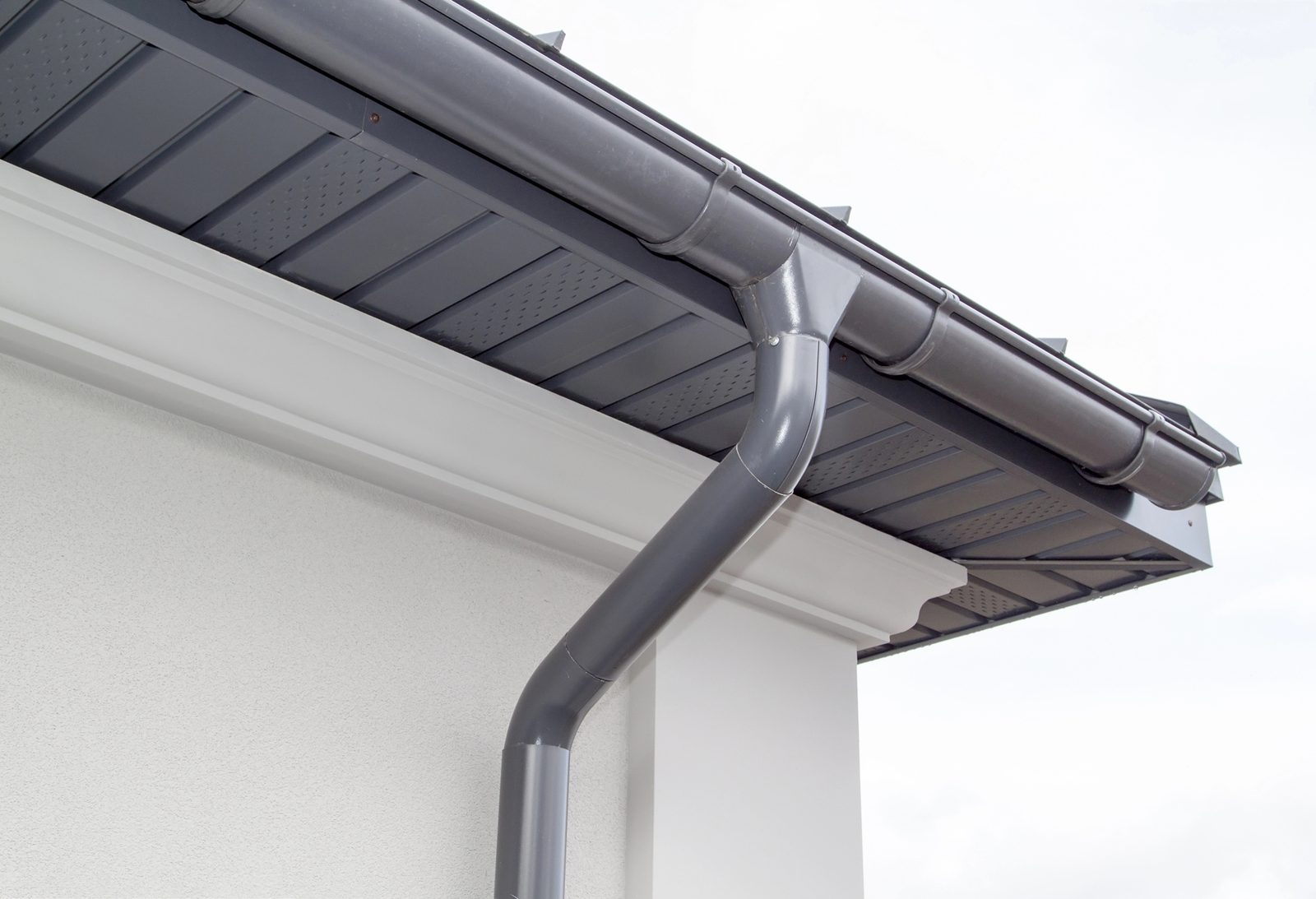
Gutter problems in the Bay Area include clogged downspouts, sagging sections, and leaking seams, which cause water to back up under roof edges and damage fascia, soffits, and foundations. Gutters fail because debris clogs flow, weight stresses brackets, or seams corrode from moisture exposure. Understanding the connection between gutter health and roof protection helps Bay Area homeowners prevent expensive water damage through proper maintenance and timely repairs.
Common Gutter Problems
Bay Area homeowners encounter several recurring gutter problems that compromise drainage effectiveness. Clogged gutters and downspouts represent the most common issue, occurring when leaves, pine needles, dirt, and debris accumulate in gutter channels. Oak trees and pine trees prevalent throughout the Bay Area drop substantial organic material year-round, making regular cleaning necessary.
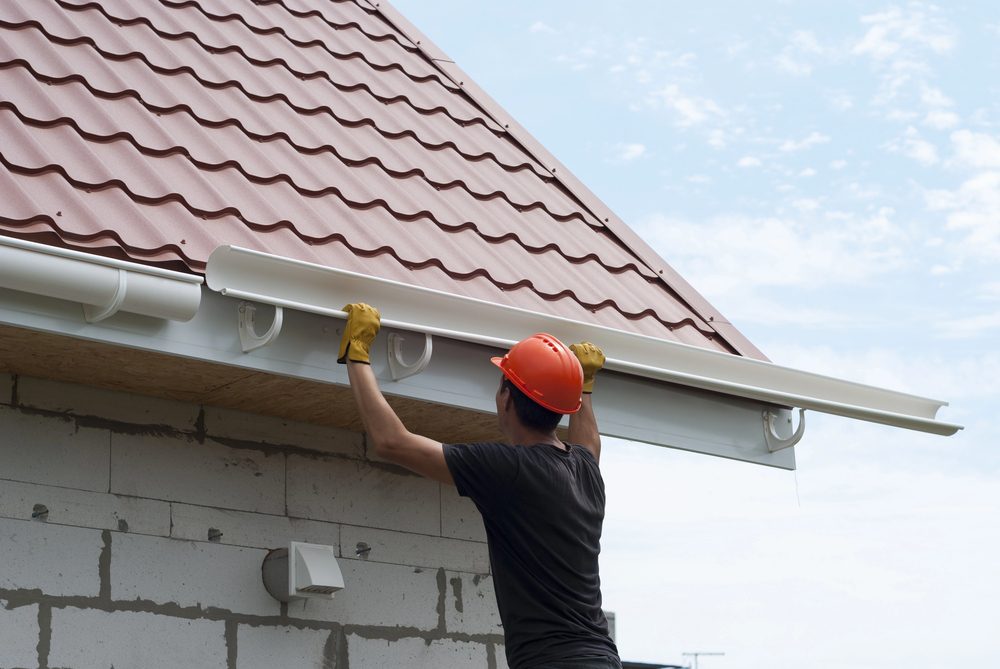
Sagging gutters pull away from fascia boards when bracket hangers fail or excessive weight stresses attachment points. Water-filled gutters weigh significantly more than empty channels, especially when debris clogs sections and prevents drainage. Sagging creates low spots where water pools instead of flowing toward downspouts, worsening the drainage problem.
Leaking seams and joints develop as gutter sections separate, sealant deteriorates, or fasteners work loose. Water escapes through gaps between gutter segments, dripping directly onto fascia boards, soffits, and foundation areas below. Metal gutters may also leak through corrosion holes as aluminum or galvanized steel deteriorates from moisture exposure.
Corrosion and rust affect older metal gutter systems, particularly galvanized steel gutters common in homes built before the 1990s. Constant moisture exposure eventually penetrates protective coatings, allowing oxidation to create holes and weak points. Aluminum gutters resist corrosion better but still deteriorate at seams and fastener points.
Improper slope causes standing water in gutter channels even when drains are clear. Gutters should slope gradually toward downspouts, typically 1/4 inch per 10 feet of gutter run. Installation errors, settling foundations, or loosened brackets can eliminate slope, allowing water to pond in gutters where it accelerates deterioration.
Damaged or missing sections from fallen tree branches, ladder impacts, or severe weather require replacement. Wind can tear poorly secured gutters from fascia attachment, leaving gaps in the drainage system. Bay Area winter storms occasionally damage exposed gutter sections on homes near large trees.
How Gutter Issues Damage Roofs
Gutter problems cause roof damage through several mechanisms that many homeowners fail to recognize until interior leaks develop. When gutters overflow from clogs or inadequate capacity, water backs up under the bottom row of shingles at the roof edge. This water intrusion penetrates the roof deck, damaging sheathing and insulation before appearing as ceiling leaks inside the home.
Ice dam formation, though less common in the Bay Area than colder climates, can occur during occasional freezing weather when clogged gutters prevent proper drainage. Standing water in gutters freezes, creating barriers that force subsequent meltwater under shingles. Most Bay Area properties avoid ice dam problems but properties in elevated locations may experience occasional issues.
Fascia and soffit rot develops when overflowing gutters pour water directly onto these wooden roof edge components. Constant moisture exposure causes wood deterioration, eventually compromising structural integrity and creating entry points for pests and additional water. Replacing rotted fascia and soffits costs significantly more than maintaining functional gutters.
Foundation damage from gutter overflow often represents the most expensive consequence of failed drainage. Water pouring off roofs without proper gutter control saturates soil around foundations, creating hydrostatic pressure against basement and crawlspace walls. Over time, this pressure causes foundation cracks, basement moisture problems, and structural settlement.
Basement and crawlspace moisture from poor surface drainage creates mold growth opportunities, reduces indoor air quality, and damages stored items. Bay Area homes with hillside locations particularly suffer from drainage problems as water flows toward foundations instead of away from structures.
Landscape erosion around foundations occurs when concentrated roof runoff washes away soil, exposing foundation walls and creating channels for water infiltration. Proper gutter function disperses water safely away from structures through controlled downspout discharge.
Understanding how gutter overflow causes roof leaks helps homeowners recognize the importance of maintaining functional drainage systems. Water backing up under shingles at roof edges creates leak points that worsen gradually, often causing extensive damage before homeowners notice interior water stains. Gutter maintenance prevents these cascading problems from developing in the first place.
Gutter Maintenance and Cleaning
Regular gutter maintenance prevents most problems from developing and extends system lifespan significantly. Bay Area properties should schedule gutter cleaning at least twice yearly, in late fall after leaves drop and in early spring before winter storm season ends. This timing addresses seasonal debris accumulation when oak and pine trees shed leaves and needles.
Properties with heavy tree coverage, particularly homes surrounded by oak or pine trees, may require quarterly cleaning to maintain proper drainage. Year-round needle drop from pine trees and acorn debris from oak trees create persistent clogging issues that more frequent cleaning addresses.
DIY gutter cleaning saves money but involves fall risks that injure thousands of homeowners annually. Ladder safety requires proper setup on stable ground, adequate height to avoid overreaching, and awareness of overhead power lines. Homeowners uncomfortable with ladder work should hire professional cleaning services rather than risk injury.
Gutter guards and screens reduce cleaning frequency by blocking large debris while allowing water to enter gutters. Quality guard systems work well in moderate debris environments but still require periodic maintenance to remove accumulated fine materials. No gutter guard system completely eliminates cleaning requirements.
Bay Area properties with heavy oak or pine coverage find that gutter guards reduce but do not eliminate maintenance needs. Fine needles, seed pods, and organic breakdown materials eventually accumulate even on screened gutters. Guards work best where debris consists mainly of larger leaves that screens effectively block.
Professional cleaning services typically charge $150 to $400 for average homes, depending on house size, gutter accessibility, and debris accumulation. Professionals bring proper equipment, insurance coverage, and experience identifying gutter problems beyond simple clogs. Many Bay Area roofing contractors include gutter cleaning in comprehensive roof maintenance programs, ensuring both roof surfaces and drainage systems receive regular attention.
Inspection during cleaning identifies developing problems before they require expensive repairs. Loose brackets, separated seams, and early corrosion can be addressed affordably when caught early. Waiting until gutters fail completely typically costs more than preventive maintenance and repairs.
When to Repair or Replace Gutters
Deciding between gutter repair and full replacement depends on problem extent, system age, and overall condition. Minor repairs address isolated issues without replacing entire systems. Reattaching loose brackets costs $200 to $500 and solves sagging problems when hangers have simply pulled away from fascia. Sealing small leaks with gutter sealant provides temporary fixes for minor separations at joints.
Major repairs involving section replacement become necessary when damage affects substantial gutter lengths. Replacing 10 to 20 feet of damaged gutter typically costs $500 to $1,000 including materials and labor. Section replacement makes sense when most of the gutter system remains functional but isolated areas have failed.
Full gutter replacement becomes appropriate when gutters show extensive corrosion, multiple leaks throughout the system, or when systems approach 20 to 30 years of age. Modern seamless gutters eliminate leak-prone seams found in older sectional systems. Aluminum seamless gutters resist corrosion better than galvanized steel and typically last 20 to 30 years with proper maintenance.
Copper gutters represent premium options offering 50-plus-year lifespans and distinctive appearance as they develop natural patina. Cost considerations make copper appropriate mainly for high-value homes where longevity and aesthetics justify higher initial investment. Most Bay Area homes choose aluminum seamless gutters for optimal cost-performance balance.
Complete gutter replacement for average Bay Area homes typically ranges from $1,500 to $2,500, depending on house size, gutter material selection, and linear footage required. Complex roof lines with numerous inside and outside corners increase installation complexity and cost. Most contractors provide free estimates including measurements and material recommendations.
Homeowners replacing roofs should consider coordinating gutter replacement when existing gutters are over 15 years old or showing significant wear. Installing new gutters during roof replacement saves money on labor setup costs and ensures proper integration at roof edges. Contractors can install gutters more easily when working on roofs without navigating around fragile old gutter systems.
Finding Gutter and Roofing Contractors
Many Bay Area roofing contractors handle gutter installation, repair, and cleaning in addition to roof services. This integration makes sense because gutter function directly affects roof health and contractors working on roofs can efficiently address gutter issues simultaneously. Homeowners benefit from coordinated service addressing both drainage components.
California contractor licensing requirements ensure minimum competency, but homeowners should verify specific gutter experience when selecting contractors. Ask about previous gutter projects, materials they recommend, and whether they install seamless gutters or only sectional systems. Seamless gutter installation requires specialized equipment that not all contractors possess.
Combined roof and gutter services provide comprehensive protection by addressing both water shedding and water removal systems. Contractors who understand roof edge details properly integrate gutters with drip edges, fascia boards, and soffit ventilation. Poor integration creates leak points and defeats the purpose of functional gutters.
Getting multiple estimates for gutter work helps homeowners understand market pricing and compare contractor approaches. Estimates should specify materials, linear footage, downspout placement, and warranty coverage. Unusually low estimates may indicate substandard materials or inexperienced installation.
Featured Bay Area contractors including Central Bay Roofing and Pacific Coast Roofing offer comprehensive roofing and gutter services. These established companies bring expertise in both roof protection and drainage systems, understanding how these components work together. Experienced contractors recognize when gutter problems indicate underlying roof issues requiring coordinated solutions.
Roofing contractors who also handle gutters provide better long-term service because they understand the roof-gutter relationship. When roof replacement becomes necessary, these contractors coordinate gutter work to ensure proper integration. Single-source responsibility simplifies warranty issues and ongoing maintenance.
Find roofing contractors with gutter services in the Bay Area who can evaluate your drainage system, recommend appropriate repairs or replacement, and maintain both roof and gutter components. Qualified contractors provide comprehensive assessments identifying whether simple cleaning, targeted repairs, or full replacement best addresses your gutter problems.Frequently Asked Questions
Can clogged gutters cause roof leaks?
Yes. When gutters overflow, water backs up under the bottom row of shingles at the roof edge, penetrating the roof deck and causing leaks in attics and ceilings. Prolonged overflow also rots fascia boards and soffits, compromising roof edge integrity.
How often should I clean my gutters in the Bay Area?
Clean gutters at least twice yearly, in late fall after leaves drop and in early spring before winter storms end. Bay Area properties with oak trees or pine trees may need quarterly cleaning due to year-round debris accumulation.
How much does gutter repair cost in the Bay Area?
Minor gutter repairs (reattaching brackets, sealing small leaks) cost $200 to $500. Section replacement runs $500 to $1,000. Full gutter replacement for an average home ranges from $1,500 to $2,500, depending on material choice and linear footage. Most contractors offer free estimates.
Should I replace gutters when replacing my roof?
Yes, if gutters are over 15 years old or showing significant wear. Coordinating gutter and roof replacement saves money on labor and ensures proper integration at the roof edge. Contractors can install new gutters more easily when working on the roof.
Do gutter guards really work?
Gutter guards reduce cleaning frequency but do not eliminate it entirely. Quality guards prevent large debris but still require periodic maintenance. They work best in moderate debris environments. Bay Area properties with heavy oak or pine coverage may still need regular cleaning despite guards.