Roof Maintenance Services in the Bay Area
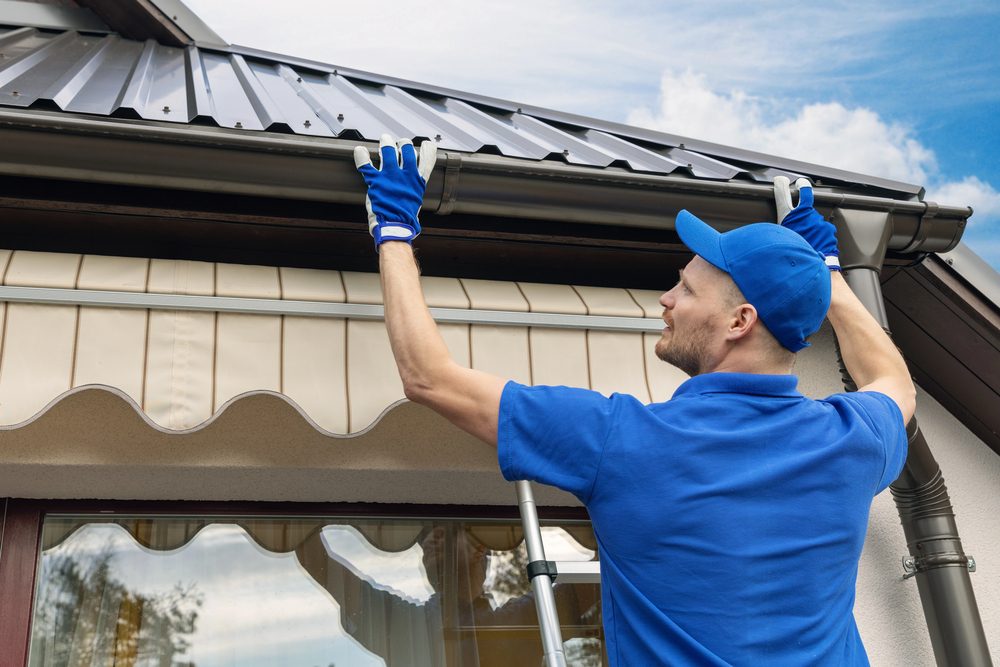
Regular roof maintenance protects property investments by catching small problems before they become expensive repairs. Maintenance includes scheduled inspections, cleaning, minor repairs, and preventive care that extends roof life by 20-30%. Bay Area property owners benefit from seasonal maintenance timing, particularly fall inspections before October-April rain season. This guide covers what maintenance includes, recommended schedules, cost-benefit analysis, and how to find contractors offering maintenance programs.
What Roof Maintenance Includes
Professional roof maintenance involves several critical tasks performed during scheduled visits. Contractors conduct visual inspections from the roof surface, checking shingles or membrane for damage, examining flashing around chimneys, vents, and skylights, and looking for missing or loose shingles. On flat roofs, inspectors examine seams for separation and check for pooling water. They also look for moss, algae, or vegetation growth that accelerates deterioration.
Drainage system maintenance is a key component. Contractors clean gutters and downspouts, clear debris from roof valleys, and remove leaves, branches, and pine needles that trap moisture. On flat roofs, they check drains and scuppers to ensure water flows properly. Clogged drainage causes water to pool on roofs, leading to leaks and structural damage.
Maintenance visits include minor repairs and adjustments. Contractors re-seal penetrations around vents and pipes, replace damaged shingles, secure loose flashing, repair small membrane punctures on flat roofs, and caulk gaps or separations. These small fixes prevent water intrusion that causes expensive interior damage.
Documentation is another important element. Contractors photograph roof condition, record repairs made, track maintenance history, and note areas needing future attention. This documentation supports warranty claims and provides records for property sales.
Bay Area-specific maintenance tasks include removing debris from coastal fog areas where moisture accelerates decay, checking for earthquake-related settling or movement, inspecting Victorian home ornamental features, and clearing moss in shaded, foggy areas. Maintenance catches small problems before they become expensive roof repair services.
Recommended Inspection Schedule
Annual inspections are the minimum frequency for roof maintenance. Newer roofs under 10 years old typically need inspection once per year, with spring or early fall being ideal timing. This preventive approach identifies minor issues before they develop into major problems.
Twice-yearly inspections are recommended for roofs over 10 years old and for all commercial buildings. Bay Area property owners benefit from spring inspections after winter rain season (April-May) and fall inspections before winter rains begin (September-October). This schedule addresses damage from the rainy season and prepares roofs for upcoming wet weather.
Commercial property maintenance follows more frequent schedules. Commercial buildings require twice-yearly inspections as a minimum, with quarterly inspections recommended for buildings with known issues or older roofing systems. After major storms or events, immediate inspections assess damage.
Extra inspections should be scheduled after severe storms or high winds, before selling a home, after tree branches fall on the roof, when buying a property (pre-purchase inspection), and after earthquakes. Bay Area's seismic activity makes post-earthquake inspections particularly important.
Bay Area seasonal timing is critical. Before winter rain season (September-October) is the most important inspection window, allowing contractors to address issues before heavy rains arrive. After winter rain season (April-May), inspections assess any damage from wet weather. Property owners should avoid inspections during the rainy season when wet conditions can hide some problems.
Many manufacturer warranties require annual inspections to remain valid. Documented maintenance may be mandatory for warranty claims, making scheduled inspections essential for warranty protection. Property owners should keep all inspection records and receipts.
Benefits of Regular Roof Maintenance
Regular maintenance extends roof lifespan significantly. Properly maintained roofs last 20-30% longer than neglected roofs. Asphalt shingle roofs with regular maintenance typically last 20-25 years compared to 15-20 years when neglected. Flat roofs maintained properly last 25-30 years versus 15-20 years without maintenance. This extended lifespan represents substantial savings by delaying expensive roof replacement.
Maintenance prevents expensive repairs by catching problems early. Small problems addressed during routine maintenance cost hundreds of dollars, while major repairs cost thousands. Minor leak repair typically costs $300-800, while major damage repair from an undetected leak can cost $3,000-10,000 or more. Early detection prevents interior damage to drywall, insulation, and structural elements, and stops mold growth before it becomes a health hazard. The most effective way to extend your roof's life is through consistent preventive care.
Documented maintenance maintains warranty coverage. Many manufacturer warranties require proof of regular maintenance, and documentation demonstrates proper care. Neglecting maintenance can void warranty coverage, leaving property owners responsible for all repair costs. Records from regular inspections protect warranty rights.
Regular maintenance protects property value. Well-maintained roofs appeal to potential buyers during property sales. Inspection records demonstrate responsible ownership and proper care. Sellers avoid last-minute expensive repairs discovered during pre-sale inspections.
Energy efficiency improves with regular maintenance. Clean, intact roofs insulate better, reducing heating and cooling costs. Proper ventilation maintained during inspections keeps attic temperatures stable.
Peace of mind is a valuable benefit. Property owners avoid surprise leaks during Bay Area winter rains. Maintenance costs are budgetable and predictable, unlike emergency repairs. Professional monitoring catches issues early, before they cause interior damage or disruption.
Finding Roof Maintenance Contractors
Property owners seeking maintenance services should look for contractors offering formal maintenance programs. These programs include annual or bi-annual inspection packages with scheduled visits so property owners don't have to remember. Programs typically provide priority service if problems are found and maintenance records for warranty compliance. Understanding how to hire a roofing contractor helps property owners make informed decisions about long-term maintenance relationships.
California requires roofing contractors to hold a C-39 Roofing license. Property owners should verify license status before hiring. Contractors must carry general liability insurance and workers compensation insurance to protect property owners from liability.
Important questions to ask maintenance contractors include: What does your inspection include? Do you provide written reports with photos? What repairs are included in maintenance visits? What's the cost for annual versus bi-annual programs? Do you service both residential and commercial properties? How quickly do you respond to issues found during inspections?
Reviewing contractor feedback helps property owners assess maintenance service quality. Long-term relationships with the same contractor provide value because the contractor knows roof history and can track changes over time. Many maintenance agreements include discounts on future repairs beyond routine maintenance.
Property owners can browse our directory of roofing contractors offering maintenance programs to find licensed Bay Area professionals. Directory listings include contractor credentials, service areas, and roofing services offered, helping property owners compare options.
Frequently Asked Questions
How much does roof maintenance cost in the Bay Area?
Annual roof maintenance costs $150-400 for residential homes, depending on roof size and complexity. Bi-annual programs cost $250-600 per year. Commercial building maintenance costs $300-1,000+ annually based on building size. Maintenance programs typically include inspection, gutter cleaning, minor repairs, and documentation. This preventive investment saves thousands in emergency repairs.
Can I do my own roof maintenance?
Homeowners can perform basic maintenance like cleaning gutters from the ground and removing visible debris. However, walking on roofs risks damage and personal injury. Professional contractors have safety equipment, insurance, and expertise to spot problems homeowners miss. Annual professional inspection is recommended even if you do basic maintenance yourself.
What is a roof maintenance program?
A roof maintenance program is a service agreement where contractors perform scheduled inspections and preventive care. Programs typically include bi-annual inspections, gutter cleaning, minor repairs, photo documentation, and priority service for issues found. Many programs offer discounts on future repairs. Regular maintenance extends roof life and prevents expensive emergency repairs.
Does roof maintenance void my warranty?
No, proper maintenance protects warranties. Many manufacturer warranties require documented annual inspections to remain valid. Neglecting maintenance can void warranty coverage. Always keep inspection records and receipts. Unauthorized repairs or modifications by unlicensed individuals may void warranties, so use licensed contractors for all work.
When is the best time for roof inspection in the Bay Area?
The best times for roof inspection in the Bay Area are April-May (after winter rain season) and September-October (before winter rains begin). Fall inspections are critical to address issues before October-April rain season. Avoid inspecting during wet conditions when problems may be hidden. Schedule maintenance when dry weather allows thorough assessment.