Missing or Damaged Shingles Repair
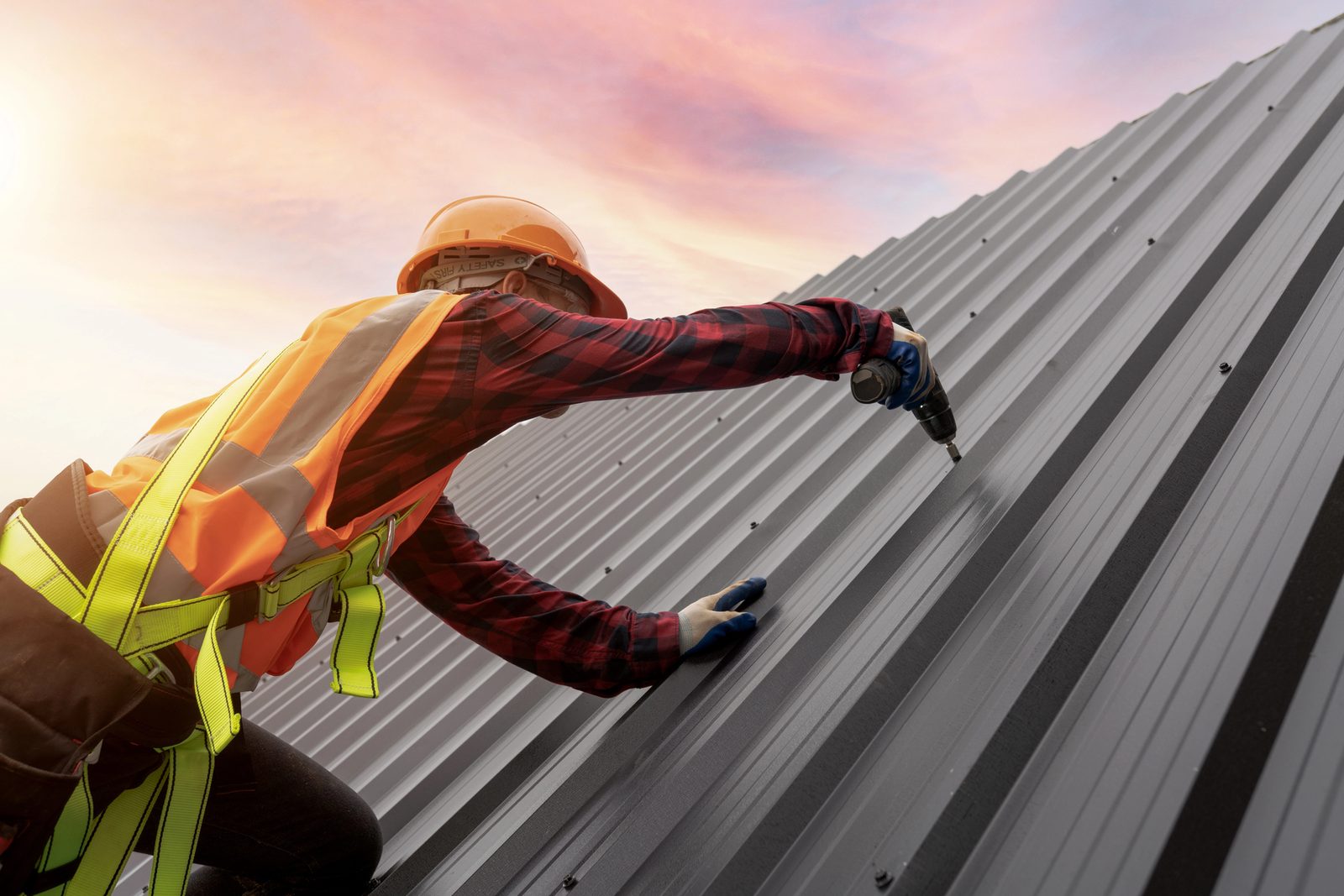
Missing shingles in the Bay Area typically result from wind damage, age deterioration, or improper installation, requiring prompt replacement to prevent water damage. Roof shingles go missing because wind lifts poorly sealed edges, age makes materials brittle, or installation defects create weak points that fail under normal weather stress.
A single missing shingle exposes the underlayment layer to UV damage, moisture, and further deterioration. While not always an immediate emergency, missing shingles warrant attention within days to weeks, before rain soaks through the protective layers beneath.
Why Shingles Go Missing or Break
Wind damage causes most missing shingle problems, especially after Bay Area winter storms. High winds create uplift forces on shingle edges, and if the adhesive seal is weak or has failed, the wind tears the shingle completely away. Exposed locations on hilltops, coastal areas, and roof peaks experience stronger wind forces that stress shingles beyond their design limits.
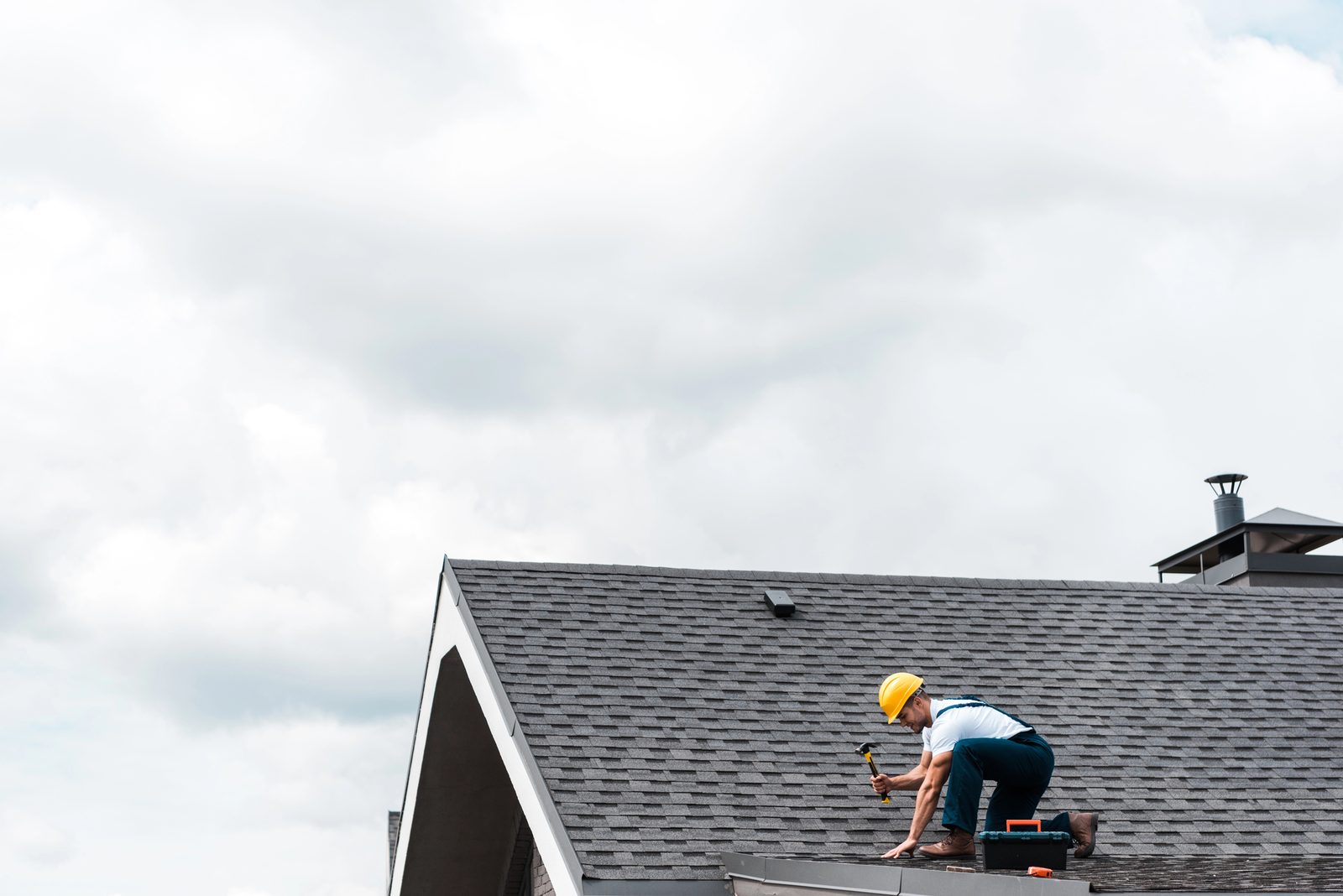
The Bay Area's coastal wind patterns and seasonal storm intensity create conditions where even properly installed shingles eventually fail. Winter atmospheric river events bring sustained winds of 30 to 50 mph, with gusts exceeding 60 mph in exposed locations. These wind speeds can lift and remove shingles, particularly on south and west-facing slopes that take the brunt of storm winds.
Age and weathering make asphalt shingles increasingly vulnerable to wind damage. UV exposure from years of sun degrades the asphalt base, making it brittle. Thermal cycling (hot days, cool nights) causes expansion and contraction that weakens adhesive seals. After 15 to 20 years, shingles lose flexibility and become prone to cracking and tearing. Curling shingle edges provide wind entry points, and once edges lift, complete failure follows quickly.
Improper installation creates premature shingle failure. Poor nailing patterns (too few nails, nails placed incorrectly), inadequate sealing, or wrong shingle orientation all compromise wind resistance. Shingles require specific nailing locations and patterns to achieve rated wind resistance. Shortcuts during installation create weak points that fail years before properly installed shingles would.
Debris impact from tree branches breaks or dislodges shingles even without high winds. A falling branch can crack shingles on impact or knock them completely off the roof. Bay Area properties with trees overhanging roofs face higher risk during winter storms when saturated soil and high winds bring down branches.
Manufacturing defects occur rarely but can affect entire batches of shingles. Defective adhesive strips, improper composition, or inadequate granule adhesion create products that fail prematurely. Most manufacturers warranty their shingles for 20 to 30 years, covering defects when proven. However, proving manufacturer defects versus installation or age issues requires professional assessment.
Single missing shingles often indicate more damage nearby. Wind typically affects larger areas than just one shingle, so visible damage suggests adjacent shingles may have loosened seals or hidden cracks. Professional inspection after finding missing shingles often reveals additional problems not visible from ground level. Addressing all affected areas during one repair visit costs less than multiple service calls for progressive failures.
How Urgent Is Shingle Replacement
Single shingle versus multiple shingles affects urgency significantly. One missing shingle on a roof in good condition represents low urgency during dry weather, addressable within one to two weeks. Multiple missing shingles increase urgency because larger exposed areas allow more water infiltration and because multiple failures suggest systemic problems requiring broader repairs.
Location matters for urgency assessment. Missing shingles near valleys (where two roof planes meet) create higher leak risk because valleys channel large water volumes. Edge shingles missing along rakes or eaves expose vulnerable roof edges to water intrusion. Missing shingles in the middle of large roof planes pose less immediate risk because surrounding shingles provide some protection.
Weather forecast considerations change urgency dramatically. Missing shingles during California's dry summer months can often wait weeks for repair without causing leaks. The same damage with rain forecast in 24 to 48 hours requires immediate attention because exposed underlayment quickly fails when saturated. Check forecasts when scheduling repairs, and prioritize completion before major storms arrive.
Underlying layer exposure determines how quickly water damage can occur. If felt paper (underlayment) appears intact and undamaged beneath missing shingles, the roof retains some weather protection for short periods. Damaged, torn, or missing felt paper means water will enter the structure immediately during the next rain. Visual inspection often reveals underlayment condition from ground level using binoculars.
Timeline guidance for small damaged areas suggests repair within one to two weeks during dry weather. Even without rain, UV exposure degrades exposed underlayment, and wind can cause additional shingle failures around the damaged area. Scheduling prompt repairs prevents small problems from expanding into larger, more expensive projects.
When it's emergency versus schedule-promptly depends on active leaking and weather conditions. Roof leaks from missing shingles during rainstorms constitute emergencies requiring same-day tarping or repair. Dry conditions with damage discovered after storms allow scheduling within days without emergency service premiums. Balance cost savings from non-emergency scheduling against risks of additional rain arriving before repairs complete.
Matching Replacement Shingles
Color and style matching depends on identifying the shingle manufacturer and product line. Most contractors maintain records or can identify common shingle types by appearance. Major manufacturers like CertainTeed, GAF, and Owens Corning offer dozens of colors and styles, but specific product lines may be discontinued after 10 to 15 years, complicating exact matches.
Age-related color differences mean new shingles rarely match weathered roofs perfectly. UV exposure and weathering fade shingle colors over time, creating noticeable contrast between old and new materials. Roofs less than five years old typically show minimal color difference. Roofs over 10 years old often display obvious contrasts between new and weathered shingles.
Discontinued product lines create matching challenges. Manufacturers update product lines, change color formulations, or discontinue specific styles. Contractors sometimes stock discontinued shingles for common local roof types, or can source close matches from specialty suppliers. Setting realistic expectations about color matching prevents disappointment when replacements don't blend perfectly.
Contractors keep common shingles in stock to enable quick repairs without delays waiting for special orders. Standard colors like weathered wood, charcoal, and slate gray appear on many Bay Area roofs, and contractors stock these for routine repairs. Unusual colors or discontinued products may require ordering, extending repair timelines by days to weeks.
Aesthetic considerations for visible roof areas affect homeowner decisions. Minor color mismatches on rear roof slopes often prove acceptable, while mismatches on prominent street-facing slopes concern homeowners more. Extensive repairs on highly visible areas sometimes justify replacing entire roof sections to achieve uniform appearance. Discussing aesthetic priorities with contractors helps establish appropriate repair scopes.
Finding a Shingle Replacement Contractor
Shingle replacement requires skilled work because proper sealing determines long-term performance. Shingles must be nailed in specific patterns, sealed correctly to adjacent shingles, and installed to manufacturer specifications to maintain warranties and wind resistance. Contractors experienced in shingle work ensure repairs match or exceed the original installation quality.
California licensing requirements mandate C-39 roofing contractor classification for shingle work. Verify contractor licenses through the California Contractors State License Board website. Licensed contractors carry required insurance and bonding, protecting homeowners if work fails or causes damage. Unlicensed workers may charge less but provide no recourse for problems and may void existing roof warranties.
Getting estimates for small repairs helps establish fair pricing. Three estimates provide good comparison without excessive contractor visits. Estimates should specify number of shingles, any underlayment repair, flashing work if needed, and warranty terms. Written estimates allow direct price comparison and establish scope expectations before work begins.
Minimum charge expectations reflect contractor realities. Most companies charge $300 to $600 minimums for small shingle repairs, even if work takes only one to two hours. This minimum covers truck roll, labor, insurance, setup time, and safety equipment deployment. Attempting to negotiate below minimum charges often results in poor quality work or contractor disinterest.
Warranty on replacement work should cover labor for at least one year. Many contractors provide three to five year workmanship warranties on repairs. Material warranties come from manufacturers and typically extend 20 to 30 years on new shingles. Ensure warranty terms appear in written estimates and that contractors provide warranty documentation after work completion.
Bay Area roofing contractors offering roof repair services handle shingle replacement as routine maintenance work. These services include matching shingle colors when possible, repairing any underlayment damage found, and ensuring proper sealing and nailing patterns. Central Bay Roofing has provided shingle repair services since 1978, maintaining stock of common Bay Area shingle types. Pacific Coast Roofing specializes in residential shingle work, offering color-matching expertise for aging roofs.
DIY shingle replacement often fails because improper sealing and nailing create future problems. Shingles require adhesive activation (from heat or pressure) to seal properly. Walking on new shingles before seals set can damage them. Incorrect nail placement weakens wind resistance. Many roof warranties specifically exclude coverage if homeowners perform repairs themselves. Professional work costs more initially but prevents recurring problems from amateur installation.
Find roofing contractors for shingle repair through the directory of licensed Bay Area professionals. Listed contractors serve specific cities and neighborhoods, providing local expertise and prompt response for missing shingle problems.Frequently Asked Questions
Q: How much does it cost to replace missing shingles in the Bay Area?
A: Small shingle repairs in the Bay Area typically cost $300 to $600 for a minimum service call, covering a few shingles. Larger repairs (10 or more shingles) may cost $600 to $1,200. Most contractors have minimum charges due to setup and safety equipment requirements.
Q: Can I replace a few missing shingles myself?
A: While possible for experienced DIYers, professional replacement is recommended. Improper sealing leads to future leaks, and walking on roofs risks falls and additional damage. Many roofing warranties are voided by homeowner repairs. Licensed contractors ensure proper installation and provide warranties.
Q: Will new shingles match my existing roof color?
A: New shingles will be close but rarely a perfect match. Weathering changes shingle colors over time, and manufacturers occasionally update colors. Contractors can often get good matches for roofs less than 10 years old. For older roofs, expect slight color variation.
Q: How quickly should I replace missing shingles?
A: Replace missing shingles within one to two weeks when possible, sooner if rain is forecast. Each missing shingle exposes underlayment to water and UV damage. During dry weather, a few missing shingles aren't an immediate emergency but shouldn't be ignored for months.
Q: What causes shingles to blow off in the first place?
A: Wind damage is the most common cause, especially in exposed Bay Area locations. Other causes include age deterioration (brittle, curling shingles), improper installation (poor nailing, inadequate sealing), or manufacturing defects. If multiple shingles fail, the underlying cause should be identified. Storm damage during winter weather events frequently causes multiple shingle failures requiring comprehensive assessment and repair.