Residential Roofing Services in the Bay Area
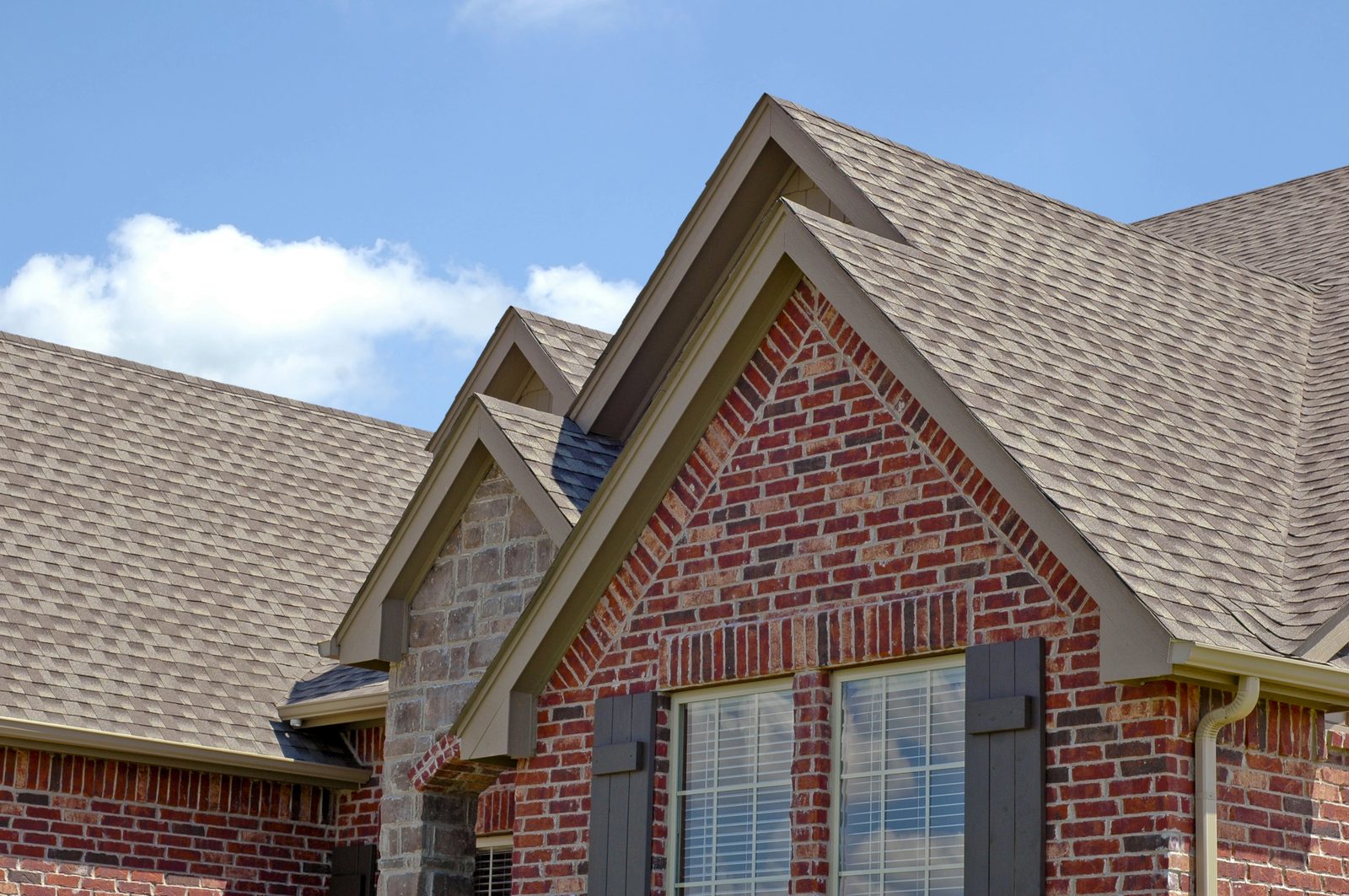
Residential roofing services protect Bay Area homes through new installation, complete replacement, repair work, and preventive maintenance. Bay Area homeowners choose from services including full roof replacement, targeted repairs, emergency leak response, and regular inspections. The region's diverse home styles (from Victorian and Craftsman to ranch and modern) and varied microclimates (coastal fog, inland heat, and everything between) require contractors who understand local building requirements and climate considerations.
This guide covers residential roofing services available in the Bay Area, popular roofing materials suited to local conditions, signs that indicate roof work is needed, realistic cost expectations, what to expect during roofing projects, and how to find licensed contractors. Bay Area homeowners can make informed roofing decisions for their homes by understanding these essential aspects of residential roofing.
Residential Roofing Services for Bay Area Homes
New roof installation serves homes with additions or new construction. Complete roof replacement services remove the existing roof system and install new materials, typically needed every 20 to 25 years for asphalt shingle roofs in the Bay Area. This major service represents the most significant investment in residential roofing, providing comprehensive information about the replacement process, timeline, and expectations.
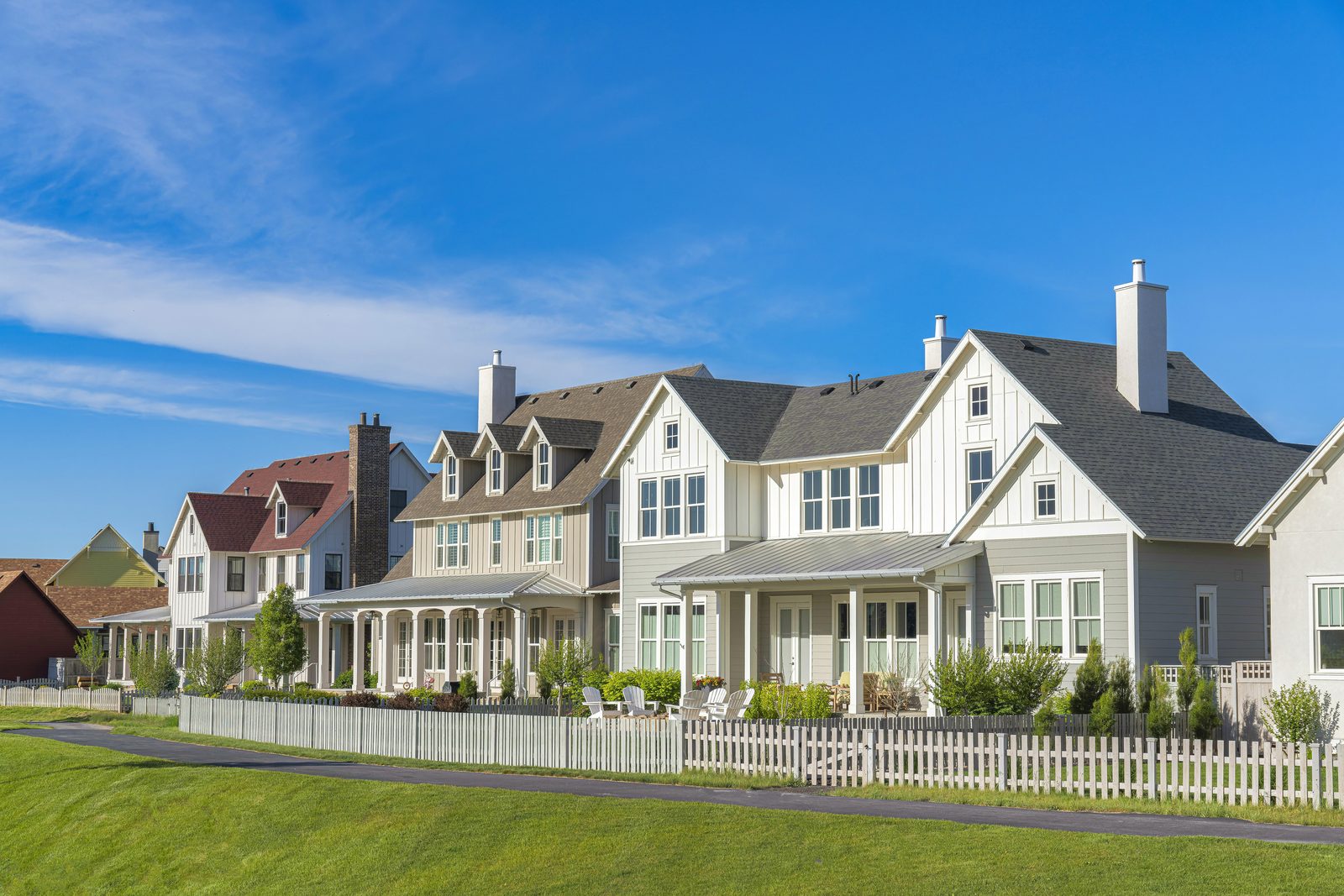 Roof repair services address specific damage without replacing the entire roof system. Many roofing issues can be resolved through targeted repairs rather than full replacement, helping homeowners understand when repair is the appropriate solution. Common repairs include leak fixes, individual shingle replacement, flashing repairs around chimneys and vents, and damaged underlayment correction.
Roof inspections serve multiple purposes, from pre-purchase evaluations to maintenance checks and insurance claim documentation. Bay Area contractors typically recommend annual inspections to catch problems early and extend roof lifespan. Emergency repairs respond to storm damage, sudden leaks, or fallen tree limbs that compromise roof integrity.
Gutter installation and repair complete the roofing system by managing water runoff. Preventive maintenance programs help Bay Area homeowners protect their investment through regular cleaning, minor repairs, and monitoring. Some Bay Area contractors specialize in Victorian home restoration and seismic upgrades, addressing the unique needs of historic properties and earthquake preparedness.
Popular Roofing Materials for Bay Area Homes
Asphalt shingles cover approximately 70 percent of Bay Area residential roofs, offering a 20 to 30 year lifespan at moderate cost. Architectural shingles provide dimensional appearance and premium aesthetics, while 3-tab shingles offer economical coverage with simpler appearance. Asphalt shingles perform well in the Bay Area's mild climate and suit most home styles from ranch houses to modern construction.
Tile roofing, both clay and concrete varieties, delivers Mediterranean and Spanish Revival aesthetics popular throughout the Peninsula and South Bay. Tile roofs last 50 years or longer, making them excellent long-term investments despite higher initial costs. The Bay Area's moderate temperatures and coastal climate suit tile roofing particularly well. Tile withstands fog, salt air, and occasional winter storms without deteriorating as quickly as in extreme temperature regions.
Metal roofing includes standing seam and corrugated styles with 40 to 70 year lifespans. Fire resistance makes metal roofing particularly valuable in Oakland Hills, Marin County, and other wildfire-prone areas. Metal roofing tolerates earthquake movement better than brittle materials, performs efficiently in both coastal fog and inland heat, and suits modern and mid-century home aesthetics. Energy-efficient properties help regulate attic temperatures year-round.
Composition shingles provide a mid-range option between basic asphalt and premium materials. Wood shake and shingles appear on some historic Bay Area homes, though fire code restrictions limit new wood roof installations in certain areas. Material choice depends on home architectural style, budget constraints, specific climate zone within the Bay Area, and local fire safety requirements.
Coastal areas benefit from materials resistant to salt air and persistent moisture. Inland valleys with hotter, drier summers favor heat-reflective materials. Winter rain season from October through April requires materials that shed water effectively and resist moisture penetration. Fire safety considerations in hillside communities often necessitate Class A fire-rated materials regardless of aesthetic preferences.
Signs Your Roof Needs Attention
Roof age provides the first indicator of replacement timing. Asphalt shingle roofs approaching 20 to 25 years old merit professional evaluation even without visible damage. Other materials have different lifespans, but age eventually compromises all roofing systems.
Missing or damaged shingles signal wind damage or normal aging. Curling or buckling shingles indicate heat damage or improper installation that allows moisture underneath. Granules accumulating in gutters show shingle deterioration, as the protective granule layer wears away and exposes the asphalt base.
Leaks or water stains on interior ceilings demand immediate attention, as water infiltration damages roof decking, insulation, and interior finishes. Roof leak problems are a primary warning sign requiring immediate attention, providing detailed information about leak causes and solutions. Sagging roof sections indicate structural issues requiring emergency evaluation. Daylight visible through roof boards during attic inspection reveals gaps in the roof deck that compromise weather protection.
Moss or algae growth, particularly common in foggy coastal areas, indicates moisture retention that can shorten roof life. Professional evaluation determines whether cleaning resolves the issue or replacement becomes necessary.
Annual inspections catch problems early and save money by addressing minor issues before they escalate into major repairs or premature replacement. Bay Area homeowners should not delay on warning signs, as small problems quickly become expensive structural damage in California's winter rain season.
Residential Roofing Costs in the Bay Area
New roof installation or complete replacement for typical Bay Area homes (1,500 to 2,500 square feet) costs $5,000 to $15,000 for asphalt shingles, $15,000 to $30,000 for tile roofing, and $12,000 to $25,000 for metal roofing. These ranges reflect material quality, labor complexity, and Bay Area's higher-than-national-average labor costs.
Repair costs range from $300 for minor shingle replacement to $3,000 for extensive flashing repair or structural work. Cost is a major homeowner concern, and a detailed cost breakdown for Bay Area residential roofing provides comprehensive pricing information including factors that affect final costs.
Roof size and complexity significantly affect pricing. Larger roofs require more materials and labor time. Steep pitch or complex angles increase labor costs due to safety equipment and slower installation. Material choice drives substantial cost variation, from economical asphalt shingles to premium tile or metal systems.
Removing old roofing adds to project costs, particularly if multiple layers exist. California building codes typically limit roof layers, requiring complete removal when replacing older roofs. Bay Area labor costs exceed national averages due to higher cost of living and strong demand for skilled contractors.
Building permit costs typically range from $200 to $500 depending on municipality and project scope. All California cities require permits for roof replacement, and reputable contractors handle permit applications as part of their service. Many Bay Area contractors offer financing options to help homeowners manage major roofing investments. Comparing at least three to five written estimates from licensed contractors helps homeowners understand fair pricing for their specific project.
Protecting Your Home During Roofing Work
Homeowners can live in their homes during roof replacement, as contractors work entirely from the exterior. Noise levels during tear-off and installation are considerable, with hammering and equipment operation creating disruption. Most residential projects take two to five days for asphalt shingle replacement on typical homes. Complex multi-level homes or steep pitches extend timelines to four or five days, while simple ranch homes complete in two to three days.
Vibration from roofing work can shift items on shelves and walls. Homeowners should secure breakable items and remove wall hangings in rooms directly under work areas. Contractors typically need driveway access for dumpsters and material deliveries. Vehicle parking adjustments accommodate equipment and materials throughout the project duration.
Attic access allows contractors to inspect roof decking from the interior and verify work quality. Keeping children and pets away from work areas prevents accidents with falling materials or equipment. Tarps and protective covering for landscaping near the home protect plants and shrubs from debris.
Weather delays during California's winter rain season (October through April) can pause work temporarily. Reputable contractors minimize disruption through clear communication, daily cleanup, and complete site cleanup upon project completion. Professional contractors protect gutters, landscaping, and property throughout the installation process.
Finding Licensed Residential Roofing Contractors
California requires all roofing contractors to hold a C-39 Roofing Contractor license issued by the California Contractors State License Board. Homeowners verify licenses through CSLB.ca.gov, checking for active status, complaint history, and bond coverage. Licensed contractors meet minimum insurance requirements including general liability and workers' compensation coverage.
Reviews on Yelp, Google, and Better Business Bureau provide insight into contractor reputation and customer satisfaction. Getting multiple estimates from three to five different contractors helps homeowners compare pricing, materials, and approaches. Written estimates should specify materials by type and quality level, itemize labor costs, include permit fees, detail warranty terms for both workmanship and materials, and provide realistic project timelines.
Questions to ask prospective contractors include how long they have been in business, whether they can provide references from recent projects, what warranty terms they offer for workmanship and materials, and how they handle cleanup and disposal. Contractor selection is critical for quality work, and detailed guidance on how to hire a residential roofing contractor offers information including red flags to avoid.
Red flags include contractors operating without proper licenses, cash-only payment requests, high-pressure sales tactics, reluctance to provide written contracts, and extremely low bids that suggest corner-cutting. The Bay Area has many established contractors, some operating for multiple generations spanning 50 or more years. These established businesses build reputations through consistent quality work and customer service.
Workmanship warranties typically range from five to ten years, covering installation defects and contractor errors. Material warranties come from manufacturers and vary by product, often providing 20 to 50 year coverage for defects. Bay Area homeowners seeking quality residential roofing work can browse our directory of licensed Bay Area residential roofing contractors, connecting with reviewed professionals who specialize in residential work throughout the region.
Frequently Asked Questions
Q: How long does residential roof replacement take in the Bay Area?
A: Most residential roof replacements in the Bay Area take 2 to 5 days for typical single-family homes (1,500 to 2,500 square feet). Simple ranch homes may take 2 to 3 days, while complex multi-level homes or steep pitches take 4 to 5 days. Tile and metal roofs take longer than asphalt shingles. Weather delays during winter rain season can extend timelines.
Q: Do I need a permit to replace my roof in California?
A: Yes, roof replacement requires a building permit in all California cities including the Bay Area. Licensed contractors typically handle permit applications and fees ($200 to $500). Permits ensure work meets building codes and includes required inspections. Never skip permits, as unpermitted work can affect home sale and insurance claims.
Q: How often should you replace your roof in the Bay Area?
A: Asphalt shingle roofs in the Bay Area typically last 20 to 25 years. Tile roofs last 50 or more years. Metal roofing lasts 40 to 70 years. The Bay Area's mild climate helps roofs last longer than in extreme weather regions. Replace when you see widespread damage, missing shingles, or structural sagging regardless of age. Annual inspections help maximize lifespan.
Q: Are metal roofs good for Bay Area homes?
A: Metal roofs perform excellently on Bay Area homes. They are fire-resistant (important for Oakland Hills and Marin wildfire zones), earthquake-tolerant, energy-efficient, and extremely durable (40 to 70 year lifespan). Metal roofing works well in all Bay Area microclimates from coastal fog to inland heat. Popular for modern and mid-century homes.
Q: What questions should I ask a residential roofing contractor?
A: Ask for their California contractor license number (C-39), insurance certificates, written estimates with material specifications, warranty terms (workmanship and materials), project timeline, and references from recent projects. Verify their license through CSLB.ca.gov. Request cleanup and disposal process details. Compare at least 3 estimates before deciding.