Roof Replacement in the San Francisco Bay Area
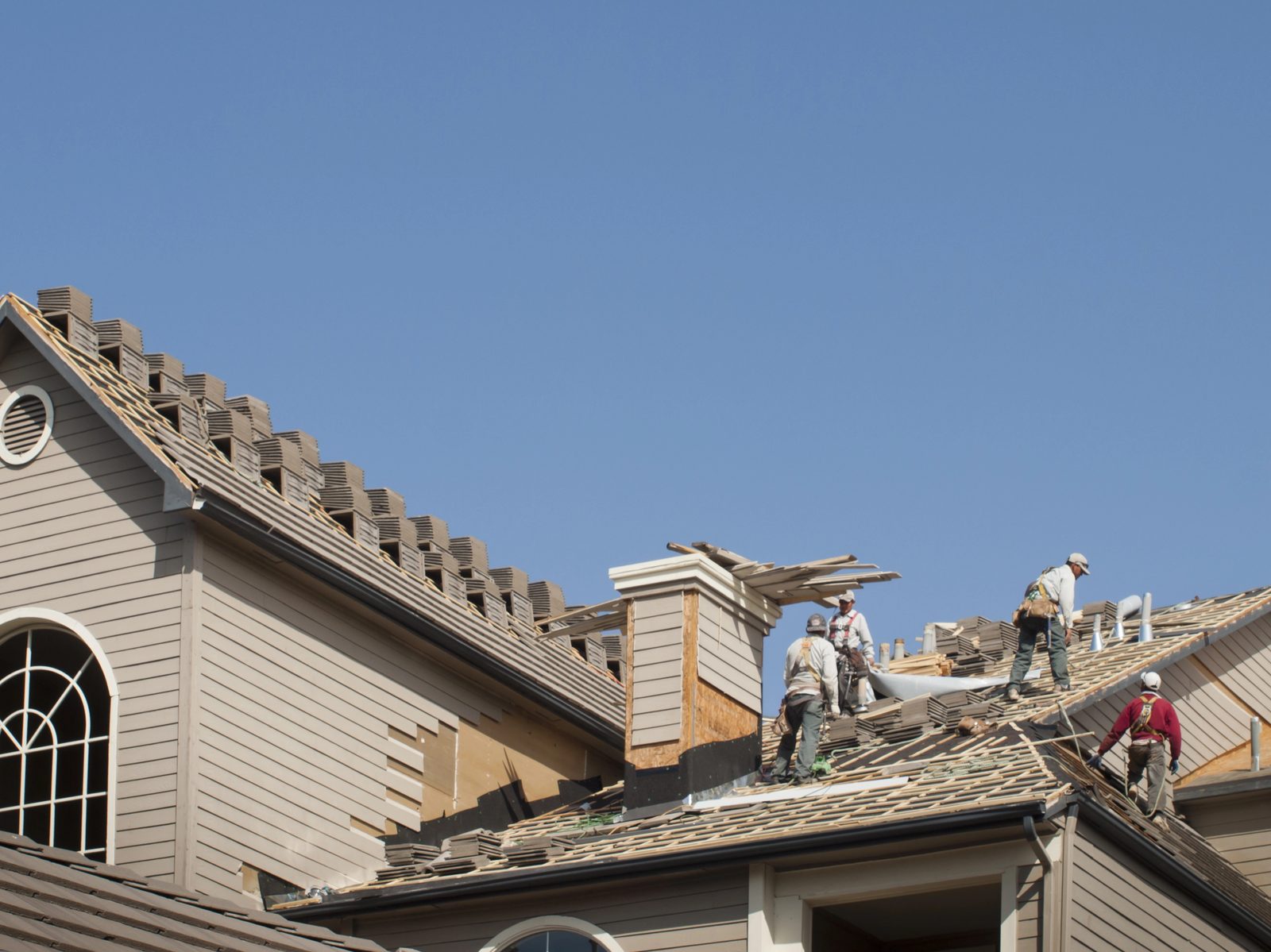
Roof replacement involves removing an existing roof and installing a complete new roofing system. Bay Area homeowners typically need replacement when roofs reach 20-25 years of age, sustain extensive damage that makes repairs impractical, or when upgrading to more energy-efficient or fire-resistant materials. The Bay Area's coastal fog, winter rain, and seismic activity require proper installation by licensed contractors familiar with California building codes and local climate challenges. This guide covers when replacement is necessary, what the process involves, material options suitable for local conditions, timeline expectations, permit requirements, and how to find qualified roofing contractors.
Signs You Need Roof Replacement vs. Repair
Understanding when to replace rather than repair your roof saves money and prevents further damage. Asphalt shingle roofs typically last 20-25 years, while composition shingles may need replacement after 15-20 years. Age alone doesn't always determine replacement needs, but it's a primary factor.
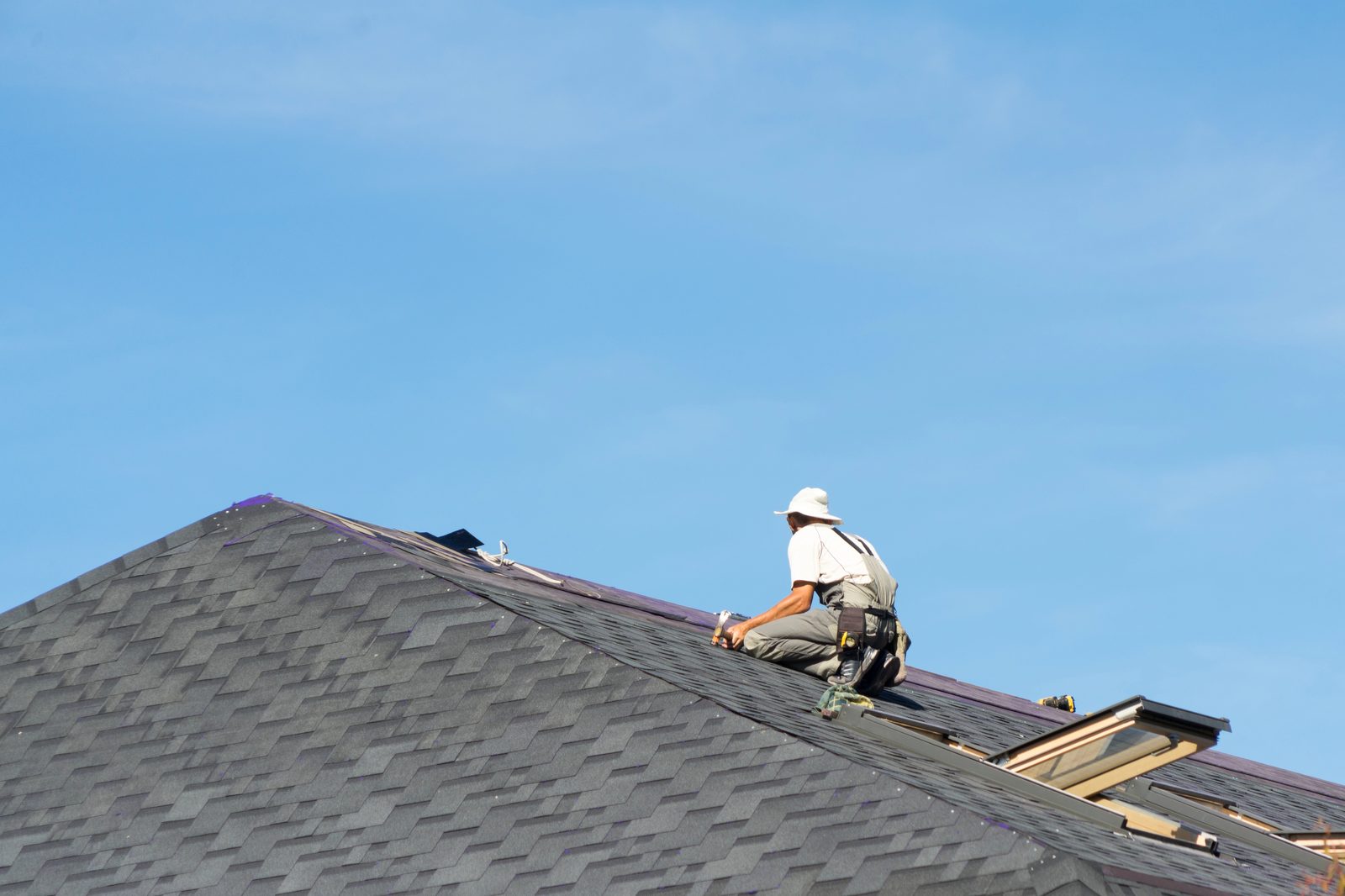
Multiple indicators suggest replacement is necessary. Widespread shingle loss across different roof sections, numerous leaks in various locations, visible sagging or dipping areas, and extensive missing granules (visible as dark patches on shingles or accumulation in gutters) all point to replacement over repair. Bay Area homes face specific challenges including fog damage that accelerates shingle deterioration and earthquake-related settling that can compromise roof structure.
Repair makes more sense for isolated damage on newer roofs, single leak points, or small areas of shingle loss. When repair costs approach 30-40% of replacement cost, or when you're addressing the same problems repeatedly, replacement becomes the better investment. A single repair might cost $500-1,500, but multiple repairs over 2-3 years often exceed $5,000, making full replacement more economical. For detailed pricing information, see our detailed cost breakdown for Bay Area roof replacement.
The Roof Replacement Process
Professional roof replacement follows a systematic workflow ensuring quality installation. Understanding each step helps homeowners know what to expect and verify contractors complete work properly.
The process begins with a thorough inspection where contractors assess roof condition, measure square footage, check roof deck integrity, and identify any structural issues. After material selection and ordering, contractors schedule installation and obtain necessary permits.
Tear-off involves removing all existing roofing material down to the roof deck. This allows inspection of the underlying structure for rot, water damage, or needed repairs. Damaged decking sections are replaced before new roofing installation begins.
Installation starts with underlayment application, a waterproof barrier that provides additional protection. Ice and water barriers are installed in vulnerable areas like eaves, valleys, and around penetrations. New roofing material is then installed according to manufacturer specifications, starting from the bottom edge and working upward to ensure proper water shedding.
Flashing installation around chimneys, vents, and roof-to-wall transitions prevents water intrusion at these critical points. Proper ventilation components are installed or upgraded to prevent moisture buildup and extend roof life. Final cleanup removes all debris, and a final inspection verifies quality installation. Most residential roof replacements take 2-5 days depending on size and complexity. For minor damage that doesn't require full replacement, roof repair services may be appropriate.
Roofing Materials for Bay Area Climate
Selecting appropriate roofing materials for Bay Area conditions ensures longevity and performance. Several options suit the region's climate characteristics.
Asphalt shingles remain the most common choice for Bay Area homes. Architectural shingles provide better durability and appearance than traditional 3-tab shingles, with lifespans of 25-30 years compared to 20-25 years for 3-tab varieties. Asphalt shingles cost $5-8 per square foot installed, making them affordable for most homeowners. They perform well in coastal fog and winter rain when properly installed with adequate ventilation.
Tile roofing, including clay and concrete options, excels in California's climate. These materials resist fire, withstand high winds, and last 50+ years with minimal maintenance. Tile's thermal properties help regulate attic temperatures, benefiting both cooler coastal areas and warmer inland regions. Installation costs run $12-25 per square foot, but longevity offsets higher initial investment.
Metal roofing offers excellent performance in Bay Area conditions. Standing seam and corrugated metal are fire-resistant, earthquake-tolerant due to their flexibility and light weight, and highly energy-efficient as they reflect solar heat. Metal roofs last 40-70 years and cost $10-20 per square foot installed. They're increasingly popular for modern homes and commercial buildings throughout the region.
Flat roof applications use TPO (thermoplastic polyolefin) or EPDM (ethylene propylene diene monomer) membranes. These materials provide reliable waterproofing for flat or low-slope roofs common on modern architectural designs and older commercial-style buildings.
Bay Area climate considerations influence material selection. Coastal areas with persistent fog benefit from materials resistant to moisture-related deterioration. Inland East Bay locations with warmer summers favor reflective materials that reduce cooling costs. Seismic activity throughout the region makes flexible, well-secured materials preferable to rigid, heavy options that could shift during earthquakes.
Timeline and What to Expect
Typical roof replacement on an average Bay Area home (1,500-2,500 square feet) takes 2-5 days from start to finish. Larger homes, complex roof designs with multiple valleys and angles, tile or metal installation, and necessary roof deck repairs extend timelines.
Homeowners should expect significant noise during installation. Hammering, nail guns, and material removal create disruption, particularly during tear-off. Most contractors work between 8am and 5pm to minimize neighborhood impact. Vibration from roof work can affect interior spaces, so secure hanging pictures, protect valuables, and alert household members to potential noise.
Living in your home during replacement is typically fine. Work occurs from the exterior, and modern contractors use tarps and barriers to protect landscaping and prevent debris from entering living spaces. Dumpsters positioned in driveways or street parking accommodate removed materials. Check local parking regulations if street placement is necessary.
Bay Area winter rain can pause work, as most roofing materials shouldn't be installed on wet surfaces. Contractors monitor weather forecasts and may delay start dates or pause mid-project during unexpected rain. Reputable contractors use temporary coverings to protect exposed areas if weather changes suddenly.
After installation completes, a final inspection period allows contractors to verify quality and address any concerns. Most contractors return within a few days to check for any missed details or needed adjustments.
California Permit Requirements
Roof replacement requires a building permit in California. This regulatory requirement ensures work meets current building codes, proper installation standards, and safety requirements.
Licensed contractors typically handle permit applications as part of their service. The permit process involves submitting plans to the local building department, paying permit fees, and scheduling inspections. Permit costs vary by jurisdiction but typically range from $200-500 depending on project size and local fee structures. Processing time runs 1-2 weeks in most Bay Area cities, though some jurisdictions offer expedited review for additional fees.
Building inspections occur during and after installation to verify compliance with codes. Inspectors check underlayment installation, flashing details, and final roofing material application. Final approval indicates the work meets required standards.
Different Bay Area cities have specific requirements. San Francisco, Oakland, San Jose, and other municipalities maintain individual building codes that contractors must follow. Coastal areas may have additional wind-resistance requirements. Areas near wildland interfaces often require fire-resistant materials.
Reputable contractors include permit costs in their estimates and handle all paperwork. If a contractor suggests skipping permits to save money, that's a major red flag indicating they may not be properly licensed or insured. Unpermitted work can create liability issues and problems when selling your home.
Finding Qualified Roofing Contractors
Selecting a qualified contractor is the most important decision in roof replacement. California requires roofing contractors to hold a C-39 Roofing license. Verify any contractor's license status at CSLB.ca.gov before hiring.
Licensed contractors must carry general liability insurance and workers compensation coverage. Request proof of both and verify policies are current. This protects homeowners from liability if workers are injured or property is damaged during the project.
Review multiple information sources when evaluating contractors. Check Yelp, Google reviews, and Better Business Bureau ratings. Look for patterns in reviews rather than focusing on single complaints. Established contractors often have long track records, with some Bay Area roofing companies operating for 100+ years across multiple generations.
Get estimates from 3-5 contractors. Quality estimates specify materials by type and grade, include labor costs broken down by task, list permit fees separately, detail warranty coverage for both materials and workmanship, and provide clear timelines. Workmanship warranties typically run 5-10 years, while material warranties vary by product (often 20-50 years depending on roofing type).
Watch for red flags including no contractor license, cash-only payment demands, high-pressure sales tactics, no written contract, or unwillingness to provide references. Legitimate contractors welcome questions, provide detailed proposals, and operate transparently.
For guidance on the hiring process, including questions to ask and contract terms to verify, see our guide on how to hire a roofing contractor. The Bay Area has many qualified contractors experienced with local climate challenges and building requirements. When you're ready to connect with licensed professionals, browse our directory of licensed Bay Area roofing contractors who specialize in replacement projects and understand regional requirements.
Frequently Asked Questions
How much does it cost to replace a roof in the Bay Area?
Roof replacement costs in the San Francisco Bay Area typically range from $8,000 to $25,000+ depending on roof size, material choice, and complexity. Asphalt shingles are most affordable ($5-8 per square foot installed), tile runs $12-25 per square foot, and metal roofing costs $10-20 per square foot. Get multiple estimates from licensed contractors and check our detailed cost breakdown for Bay Area roof replacement for pricing information.
Can I live in my house during roof replacement?
Yes, you can live in your home during roof replacement. The work is done from outside, and contractors typically complete residential projects in 2-5 days. Expect significant noise from hammering and tear-off. Protect valuables from vibration, secure attic items, and plan for temporary disruption to internet or cable if roof penetrations are involved.
How often should you replace your roof in California?
Asphalt shingle roofs in California typically last 20-25 years. Tile roofs can last 50+ years. Metal roofing lasts 40-70 years. The Bay Area's mild climate helps extend roof life compared to extreme weather regions. Regular maintenance and inspections can maximize lifespan. Replace when you see widespread damage, missing shingles, or structural sagging regardless of age.
Are metal roofs good for California?
Metal roofs perform excellently in California. They are fire-resistant (important for wildfire zones), earthquake-tolerant (flexible, lightweight), energy-efficient (reflect heat), and extremely durable (40-70 year lifespan). Metal roofing works well in both coastal and inland Bay Area climates. Standing seam metal is popular for modern homes and commercial buildings.
What is the best time of year to replace a roof in the Bay Area?
Late spring through early fall (May-October) is ideal for roof replacement in the Bay Area. This period has the least rain and most consistent weather. Winter rain can delay projects. However, reputable contractors can work year-round with weather monitoring and temporary coverings. Schedule replacement during dry forecasts regardless of season.