Types of Roofing Shingles for Bay Area Homes
Roofing shingles come in three main categories: 3-tab asphalt, architectural, and designer or luxury shingles. Each type differs in cost, lifespan, appearance, and performance for Bay Area weather conditions. Understanding these differences helps homeowners make informed decisions when planning a roof replacement or new installation.
Bay Area homes face specific roofing challenges that influence material selection. Coastal fog creates moisture exposure, wildland-urban interface zones require fire-rated materials, and seismic activity makes roof weight a consideration. The right shingle type depends on your budget, home style, location, and climate exposure.
3-Tab Asphalt Shingles
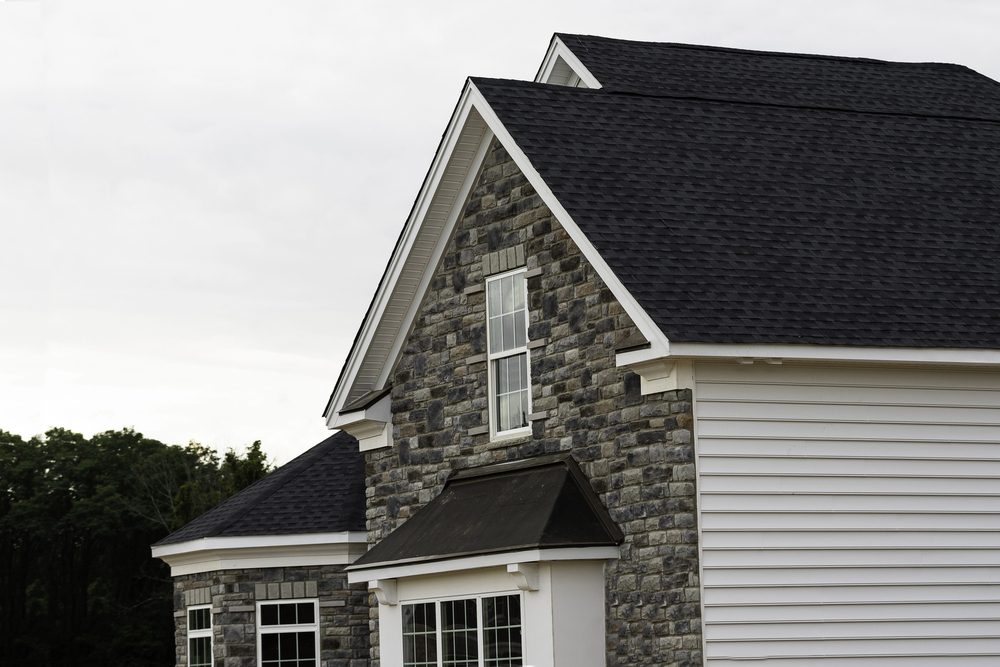
3-tab asphalt shingles are the traditional, entry-level roofing option found on many Bay Area homes. These shingles feature a flat, uniform appearance created by a single-layer construction with three evenly spaced tabs per shingle strip. The name comes from this distinctive three-section design.
Construction is straightforward: each shingle consists of a fiberglass mat coated with asphalt and topped with ceramic granules for UV protection. This single-layer design keeps manufacturing costs low, making 3-tab shingles the most affordable option at $3.50 to $5.50 per square foot installed in the Bay Area market.
Lifespan for 3-tab shingles typically ranges from 15 to 20 years in Bay Area conditions. Coastal moisture, winter rain, and sun exposure gradually wear down the granule coating, leading to eventual brittleness and cracking. The thinner profile makes these shingles more susceptible to wind damage than heavier alternatives.
Performance meets basic needs but comes with limitations. Standard 3-tab shingles carry lower wind ratings than architectural options, and their flat profile offers less visual appeal for homes where curb appeal matters. However, Class A fire-rated 3-tab shingles are available for properties in wildland-urban interface zones throughout the East Bay hills and Peninsula foothills.
Best applications include budget-conscious replacements, rental properties, and homes where the roof plays a minimal role in overall aesthetics. The lower upfront cost makes sense when planning to replace the roof again within 15 to 20 years rather than maximizing lifespan.
Architectural Shingles
Architectural shingles, also called dimensional or laminated shingles, represent the most popular choice for Bay Area residential roofing. These shingles feature multiple layers bonded together to create a textured, three-dimensional appearance that mimics traditional wood shake or slate roofing.
The multi-layer construction provides both aesthetic and performance benefits. Two or more shingle layers are laminated together with an offset pattern, creating depth and shadow lines that enhance visual appeal. This thicker profile weighs more than 3-tab shingles and provides superior wind resistance and durability.
Cost ranges from $4.50 to $8.50 per square foot installed in the Bay Area, representing a mid-tier investment that most homeowners find worthwhile. The price difference compared to 3-tab shingles ($1 to $3 more per square foot) is offset by a significantly longer lifespan of 25 to 30 years in local climate conditions.
Performance advantages make architectural shingles the default recommendation from most Bay Area contractors. Better wind resistance matters for homes on ridge lines or exposed hillsides. The dimensional appearance adds curb appeal and complements a wider range of architectural styles, from modern to traditional. Class A fire ratings are standard, meeting requirements for wildland-urban interface zones.
Warranty terms typically extend 30 to 50 years from manufacturers, though actual lifespan depends on installation quality, ventilation, and maintenance. Coastal fog and moisture rarely cause premature failure when attic ventilation is adequate. The thicker construction handles Bay Area's moderate temperature swings without the thermal stress experienced in extreme climates.
Most Bay Area homeowners choose architectural shingles for the balance of cost, performance, and appearance. The category dominates residential installations because it delivers professional results without the premium pricing of designer options. When considering residential roofing services, architectural shingles typically represent the best value proposition for standard applications.
Designer or Luxury Shingles
Designer shingles, also called luxury or premium shingles, offer high-end aesthetic options for homeowners prioritizing distinctive appearance and maximum longevity. These specialty products mimic the look of slate, cedar shake, or custom tile at a fraction of the weight and cost of authentic materials.
Styles vary widely, from slate-look shingles with irregular edges to wood shake replicas with deep shadow lines. Some designer shingles feature oversized dimensions or unique color blending that creates visual depth impossible with standard architectural products. The goal is matching the appearance of luxury roofing materials while maintaining the lighter weight and easier installation of asphalt-based products.
Cost reflects the premium positioning, ranging from $8 to $15 or more per square foot installed in the Bay Area. For a typical 2,000 square foot roof, the material and installation investment can reach $16,000 to $30,000 or higher depending on product selection and roof complexity. These price points position designer shingles as options for luxury homes rather than standard residential applications.
Lifespan extends to 30 to 50 years under Bay Area conditions when properly installed and maintained. The enhanced construction, thicker profiles, and premium materials justify the higher upfront cost for homeowners planning long-term ownership. Superior wind resistance, impact ratings, and Class A fire certifications come standard across most designer product lines.
Bay Area neighborhoods where designer shingles appear frequently include San Francisco Victorian districts, Piedmont estates, Los Altos Hills custom homes, and Marin County properties. Historic districts sometimes require specific roofing appearances that designer shingles can match without the structural challenges of authentic slate or tile.
Weight considerations matter in seismic zones. While designer shingles weigh more than standard architectural products, they remain significantly lighter than tile or slate alternatives. A structural engineer should evaluate older homes before installing heavy roofing materials, but most modern construction easily accommodates designer shingle weight.
Alternative Roofing Materials for Bay Area Homes
Beyond asphalt shingles, Bay Area homeowners can choose from several alternative roofing materials suited to local architecture and climate. Each option carries distinct advantages, costs, and installation requirements.
Tile roofing, including clay and concrete varieties, appears commonly on Mediterranean, Spanish Revival, and Mission-style Bay Area homes. Clay tile offers a traditional terra cotta appearance with exceptional longevity of 50 years or more. Concrete tile provides similar durability at lower cost with wider color options. Both materials perform excellently in California's moderate climate, resist fire, and require minimal maintenance. Cost ranges from $10 to $20 per square foot installed, and the considerable weight (800 to 1,000 pounds per square) requires structural assessment on older homes or buildings not designed for tile loads. Seismic considerations make professional engineering evaluation important before tile installation.
Metal roofing has gained popularity for both modern and traditional Bay Area architecture. Standing seam and corrugated metal systems offer lifespans of 40 to 70 years depending on material choice (steel, aluminum, copper, or zinc). Cost runs $7 to $14 per square foot installed. Performance advantages include excellent fire resistance, superior earthquake safety due to light weight, and reflective properties that reduce cooling costs. Metal roofing suits contemporary homes, rustic ranch properties, and coastal locations where salt air degrades other materials faster. The distinctive appearance may face restrictions in some HOA-governed neighborhoods.
Flat roofing systems serve Bay Area commercial buildings and modern residential designs with flat or low-slope roofs. TPO (thermoplastic polyolefin), EPDM (rubber membrane), and built-up roofing each offer specific advantages. Lifespan ranges from 15 to 25 years depending on material and installation quality. Cost varies from $5 to $12 per square foot installed. These systems handle standing water better than pitched roofing materials and support rooftop decks, solar panels, or green roof installations. Professional installation is critical, as improper seaming or drainage causes premature failure.
Material selection depends on architectural style, budget, climate exposure, and structural capacity. Homeowners uncertain about the best option for their specific situation should consult with local contractors who understand Bay Area building codes, HOA requirements, and climate factors.
Choosing the Right Shingles for Your Bay Area Home
Selecting roofing materials requires balancing multiple factors specific to your property, budget, and long-term plans. The following considerations help narrow options and focus contractor discussions on solutions that fit your needs.
Coastal climate factors influence material performance throughout the Bay Area. Homes in San Francisco, Pacifica, Half Moon Bay, and other coastal communities face persistent fog and salt air that can accelerate material degradation. Architectural or designer shingles generally outlast basic 3-tab products in these conditions. Properties farther inland experience less moisture exposure but face greater temperature swings between summer and winter.
Fire rating requirements affect homes in wildland-urban interface zones, particularly throughout the East Bay hills, Peninsula foothills, and North Bay areas adjacent to open space. California building codes mandate Class A fire-rated roofing in designated high-fire zones. Verify local requirements with your building department, and confirm that any roofing material carries the appropriate fire certification. Most asphalt shingles (3-tab, architectural, and designer) are available with Class A ratings.
Seismic considerations make roof weight important in earthquake country. Lighter roofing materials like asphalt shingles and metal perform better during seismic events than heavy tile or slate. Older homes built before modern seismic codes may require structural reinforcement to support heavier roofing materials. A structural engineer can assess load-bearing capacity before committing to tile or other heavy options.
Budget versus lifespan calculations help determine the most cost-effective choice over time. While 3-tab shingles cost less initially, architectural shingles often provide better value when calculating cost per year of service. A 3-tab roof costing $8,000 with a 15-year lifespan equals $533 per year. An architectural roof costing $12,000 with a 30-year lifespan equals $400 per year. Understanding total roof replacement costs including materials, labor, and removal helps with long-term planning.
Aesthetic considerations matter for property value and neighborhood character. Some HOA-governed communities restrict roofing materials or colors. Historic districts may require specific appearances. The roofing material should complement your home's architectural style rather than clash with design elements. Victorian homes benefit from dimensional or designer shingles that mimic traditional slate or wood shake. Modern homes can carry clean-lined architectural shingles or metal roofing. Mediterranean styles pair naturally with tile.
Maintenance requirements vary by material but remain important for any roof type. Proper maintenance can extend your roof's lifespan regardless of material choice. Regular inspections catch minor issues before they become expensive repairs. Gutter cleaning prevents water backup that damages shingles. Prompt repairs of damaged shingles prevent leak development. Adequate attic ventilation reduces heat buildup that accelerates shingle aging.
Contractor availability influences practical material choices. Not all roofing contractors work with all materials. Tile installation requires specialized skills and equipment. Metal roofing demands different techniques than asphalt shingles. Designer shingle installation may require manufacturer certification. Verify that contractors in your area have experience with your preferred material before making final decisions.
Finding qualified roofing contractors familiar with Bay Area climate conditions, building codes, and material options is the critical first step. Licensed professionals can assess your specific roof structure, climate exposure, and budget to recommend appropriate materials. Comparing estimates from multiple contractors provides perspective on local pricing and material availability.
Frequently Asked Questions
What is the cheapest type of roofing shingle?
3-tab asphalt shingles are the most affordable option, typically costing $3.50 to $5.50 per square foot installed in the Bay Area. While they have a shorter lifespan of 15 to 20 years, they remain suitable for budget-conscious homeowners or rental properties where minimizing upfront cost takes priority over long-term durability.
How much does it cost to replace a roof with architectural shingles in the Bay Area?
Architectural shingles typically cost $4.50 to $8.50 per square foot installed in the Bay Area. For an average 2,000 square foot roof, expect to pay $9,000 to $17,000 total, including materials and labor. Prices vary based on roof complexity, accessibility, and contractor rates across different Bay Area markets.
Do I need special shingles for California fire zones?
Yes, homes in California's wildland-urban interface zones require Class A fire-rated shingles. Most asphalt shingles (3-tab, architectural, and designer) are available with Class A ratings that meet code requirements. Check local building codes and verify fire rating certifications with your roofing contractor before material selection.
Which roofing material lasts longest in the Bay Area?Tile and metal roofing offer the longest lifespans in the Bay Area. Clay or concrete tile can last 50 or more years, while metal roofing lasts 40 to 70 years depending on material. Among asphalt shingles, designer or luxury options last 30 to 50 years, followed by architectural shingles at 25 to 30 years and 3-tab shingles at 15 to 20 years.
Are architectural shingles better than 3-tab shingles?
Architectural shingles outperform 3-tab shingles in durability, appearance, and lifespan. They offer better wind resistance, longer warranties (30 to 50 years versus 15 to 20 years), and more dimensional appearance that improves curb appeal. The higher upfront cost ($1 to $3 more per square foot) is offset by longer service life, making architectural shingles the most popular choice for Bay Area homes.
Can I install new shingles over old ones?
California building code generally allows one layer of re-roofing over existing shingles, but this approach is not always recommended. The added weight can stress the roof structure, which matters particularly in earthquake zones. Installing over old shingles also prevents inspection and repair of the underlying roof deck. Most Bay Area roofing contractors recommend complete tear-off and replacement to identify and address hidden damage before installing new materials.
---
Once you've chosen your roofing material, learn about roof replacement costs in the Bay Area and discover tips to extend your roof's lifespan through proper maintenance. Understanding total project costs and maintenance requirements helps you maximize the return on your roofing investment.
Comparison Table
| Shingle Type | Cost per Sq Ft (Installed) | Lifespan | Best For | |--------------|----------------------------|----------|----------| | 3-Tab Asphalt | $3.50 - $5.50 | 15-20 years | Budget-conscious projects, rental properties | | Architectural | $4.50 - $8.50 | 25-30 years | Most residential homes, best value | | Designer/Luxury | $8.00 - $15.00+ | 30-50 years | High-end homes, historic properties, architectural matching | | Clay/Concrete Tile | $10.00 - $20.00 | 50+ years | Mediterranean/Spanish architecture, premium installations | | Metal Roofing | $7.00 - $14.00 | 40-70 years | Modern homes, coastal properties, fire zones | | Flat Systems (TPO/EPDM) | $5.00 - $12.00 | 15-25 years | Flat/low-slope roofs, commercial buildings |