How to Extend the Life of Your Roof
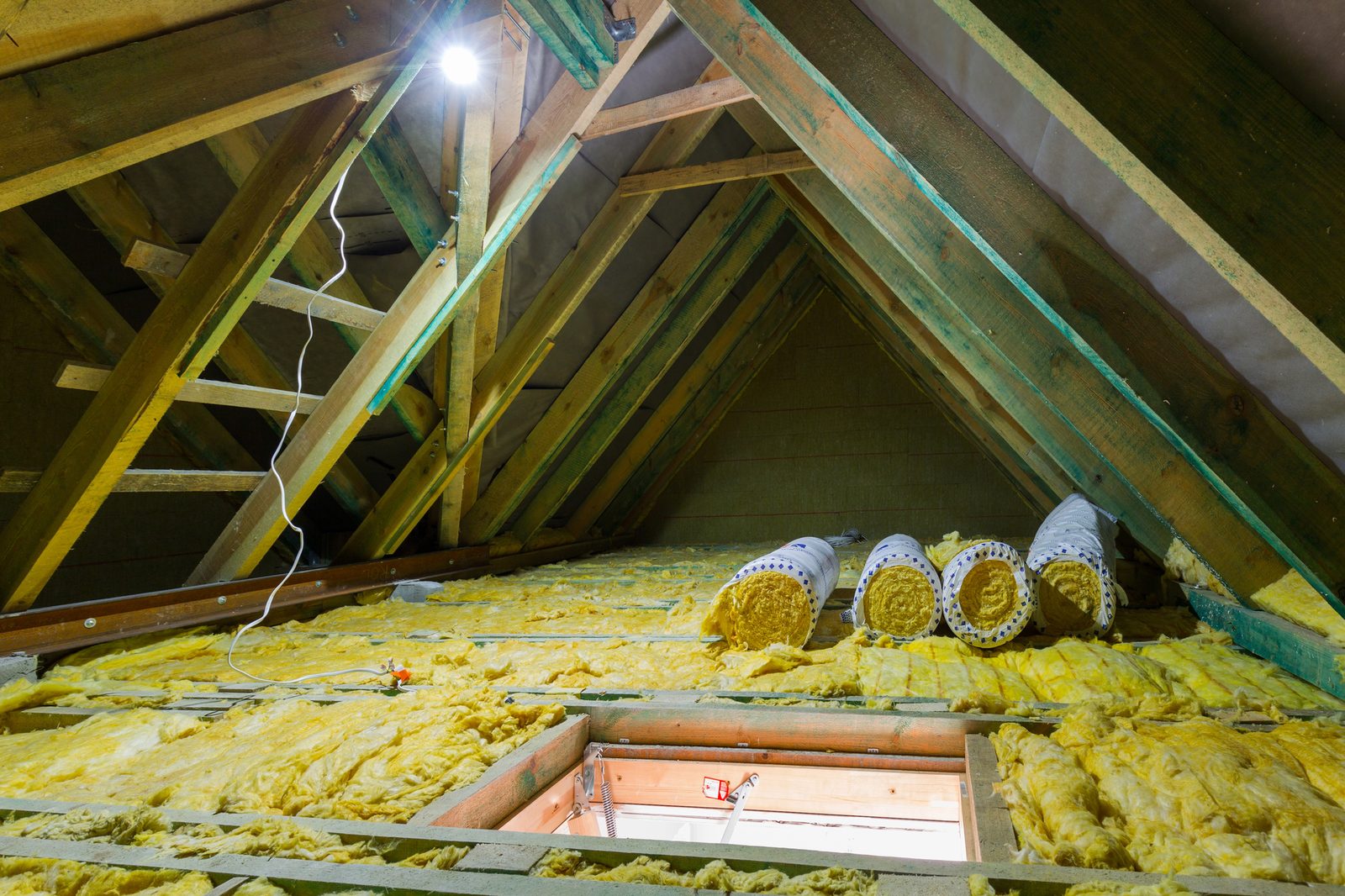
Extend your roof's lifespan by 5-10 years through regular inspections, cleaning debris, maintaining gutters, checking ventilation, and addressing repairs promptly. Your roof is one of your home's most expensive components, with replacement costs ranging $10,000-30,000+ in the Bay Area. Most homeowners neglect roof maintenance until damage appears, shortening lifespan by years. Simple preventive maintenance practices can add significant time to your roof's life and delay costly replacement.
Bay Area's coastal moisture, fog, and mild winters create specific maintenance needs that differ from other regions. Morning fog introduces moisture even during dry months, making proper ventilation and debris removal more important than in inland areas. This guide covers professional and DIY inspection schedules, cleaning methods that protect shingle warranties, gutter maintenance timing, ventilation requirements, when to address repairs, and Bay Area-specific seasonal tasks. Following these practices protects your investment and prevents premature replacement.
Schedule Regular Roof Inspections
Schedule professional roof inspections once per year in spring or fall to identify hidden damage homeowners miss. Conduct DIY visual inspections from ground level twice per year using binoculars to spot missing shingles, moss growth, or gutter clogs. Check roof after major storms for wind or water damage.
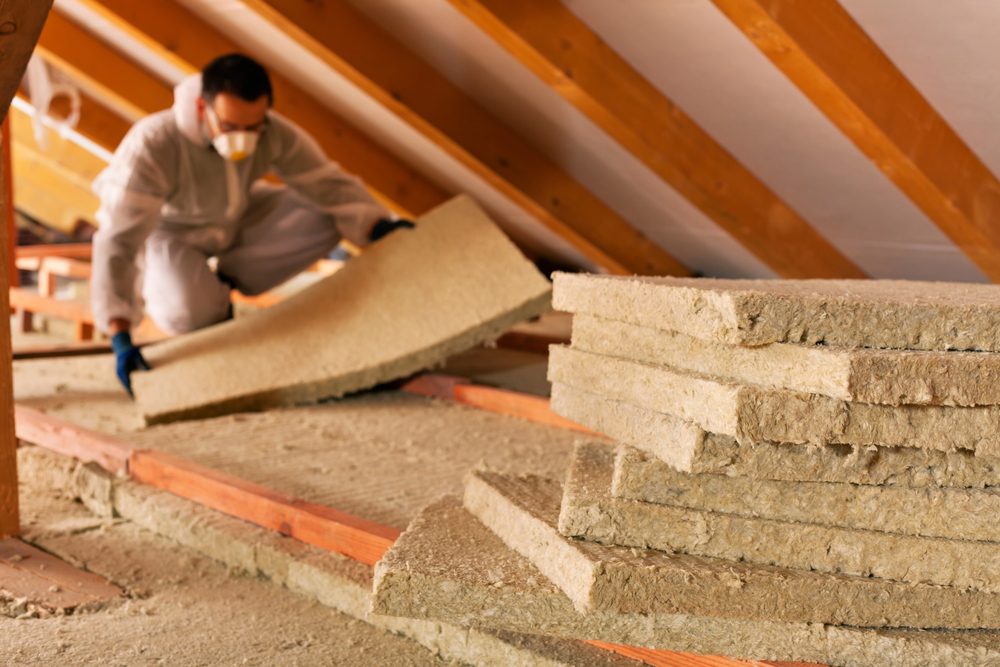
Professional inspections cost $150-300, a small investment compared to major repair costs. Spring timing (March-May) identifies winter storm damage needing repair before summer. Fall timing (September-October) prepares your roof for the rainy season starting in November. Professional roofers check shingle condition, flashing integrity around chimneys and vents, chimney condition, ventilation adequacy, gutter attachment, signs of water damage in attic space, and structural issues invisible from ground level.
Homeowners can perform semi-annual self-inspections safely from ground level using binoculars. Look for missing or damaged shingles, curling or cracking shingles, moss or algae growth on north-facing slopes, clogged gutters with visible debris, and damaged flashing around chimneys and vents. Inspect after severe weather events, particularly after winter storms with heavy rain or wind. Take photos, note issues, and track changes over time to monitor deterioration patterns.
Call a professional if you see damaged shingles, visible sagging in roof lines, water stains on attic rafters or ceiling inside your home, extensive moss coverage over 30% of roof surface, or any structural concerns. Licensed roofing contractors provide comprehensive professional roof maintenance services including thorough inspections and preventive care that catches problems before they become expensive repairs.
Keep Your Roof Clean and Debris-Free
Remove debris from your roof at least twice per year in spring and fall using a leaf blower from ground level or soft broom from a ladder. Fallen leaves, branches, and pine needles trap moisture against roofing material, accelerating shingle deterioration and leading to wood rot underneath. Bay Area's tree-dense neighborhoods require regular debris removal to prevent moisture retention that shortens roof life.
Use a leaf blower from ground level for light debris or gently sweep with a soft broom if safely accessible from a ladder. Never use a pressure washer, as high pressure damages protective granules on shingles and voids manufacturer warranties. If you cannot reach debris safely from a ladder, hire a professional to avoid injury.
Bay Area's coastal moisture, fog, and shade promote moss and algae growth on roof surfaces. Moss lifts shingles, allowing water penetration underneath and shortening roof life significantly. Algae appears as dark streaks and indicates moisture retention but does not immediately damage shingles. Apply moss killer products containing zinc sulfate according to product instructions, or install zinc or copper strips at the roof ridge. Rain washes algae-resistant particles down the roof surface, preventing future growth.
Never pressure wash your roof, as high pressure damages shingles and voids virtually all manufacturer warranties. For extensive moss coverage or steep roofs, hire a professional familiar with safe cleaning methods that protect your warranty. Keep tree branches trimmed 6-10 feet from roof edges to reduce debris accumulation, minimize shade that promotes moss growth, and prevent animal access to your roof.
Maintain Gutters and Downspouts
Clogged gutters cause water backup under roof edges, leading to fascia rot and shingle damage. Clean gutters minimum twice per year in late spring and late fall. Bay Area homes with many trees require cleaning 3-4 times per year to prevent debris blockages.
Water overflow from clogged gutters runs down siding and can penetrate attic space, creating interior damage far more expensive than gutter cleaning. Standing water in gutters attracts pests and promotes wood rot in fascia boards. Check gutters after major storms for debris accumulation that blocks water flow.
During cleaning, inspect gutter attachment to fascia boards, checking that brackets remain secure and gutters are not pulling away. Verify downspout connections allow water to flow freely without clogs. Check that gutters maintain proper slope toward downspouts rather than pooling water in sections. Look for damage including holes, cracks, rust spots, or separated seams that need repair.
Homeowners comfortable on ladders can clean gutters on single-story homes safely. Hire professionals for multi-story homes, homes with safety concerns about ladder work, or when repairs beyond simple cleaning are needed. Gutter guards reduce cleaning frequency but do not eliminate the need for annual inspections to verify water flows properly.
Maintain Proper Attic Ventilation
Proper attic ventilation prevents moisture buildup that rots roof decking from inside and reduces summer heat that shortens shingle life by years. Bay Area's coastal moisture and morning fog make adequate ventilation especially important compared to drier inland regions.
Check your attic on a hot day above 85°F. The attic temperature should be only 10-20°F warmer than outdoor temperature. If your attic feels excessively hot (40-50°F warmer than outside) or you see condensation, moisture on rafters, mold growth, or rust on nails poking through roof decking, your ventilation is inadequate.
Ridge vents along the roof peak combined with soffit vents under eaves create the most effective ventilation system. Cool air enters through soffit vents, flows up under the roof deck, and exits through ridge vents at the top. This continuous airflow prevents moisture accumulation and reduces attic heat that damages shingles from underneath. Gable vents at gable ends provide basic ventilation but are less effective than ridge and soffit vent combinations. Powered attic fans offer active ventilation but are expensive to run and usually unnecessary with proper passive ventilation.
Inspect your attic regularly, looking for excessive heat on summer days, condensation or moisture signs, blocked soffit vents caused by insulation pushed against them, and ridge vents that are clear and functioning properly. Call a professional if you notice moisture damage signs, excessive attic heat despite existing vents, or uncertainty about whether your current ventilation is adequate.
Address Minor Repairs Immediately
Address minor roof repairs immediately to prevent expensive escalation. Replacing a few damaged shingles costs $200-500, but ignoring them allows water penetration leading to interior damage costing $2,000-10,000+ to repair. Early intervention saves thousands in major repairs.
One missing shingle creates an entry point for water, leading to wood rot in roof decking, insulation damage, and interior leaks with ceiling stains and mold growth. Small leaks ignored become major structural damage requiring extensive repairs. Prompt professional roof repair services prevent small problems from escalating into major damage that shortens your roof's overall lifespan.
Common minor repairs requiring immediate attention include missing or damaged shingles that should be replaced before the next rain, damaged flashing around chimneys and vents which are common leak sources, cracked or brittle caulking around roof penetrations, loose or damaged valley flashing where two roof planes meet, and small attic leaks or water stains that need source investigation immediately.
Homeowners comfortable working on roofs can replace a few shingles or recaulk small areas if they have proper safety equipment. Hire professionals for flashing repairs requiring specialized knowledge, multiple damaged areas indicating larger problems, any structural concerns, steep roofs that create safety risks, or situations where you are unsure of damage extent. Address all repairs before Bay Area's rainy season (October-April) begins. Do not delay small repairs during dry summer months, as winter storms can turn minor problems into major damage quickly.
When hiring professionals for maintenance or repairs, learn how to hire a qualified roofing contractor to ensure you work with licensed, insured contractors who provide quality work and protect your warranty coverage.
Bay Area-Specific Roof Maintenance
Bay Area's coastal moisture and fog introduce moisture to roof systems even during dry months, requiring more vigilant moisture management than inland regions. Morning fog and marine layer create condensation that can penetrate inadequately ventilated attic spaces. Check attic ventilation more frequently than general national guidelines recommend, inspect flashing and sealants regularly as moisture accelerates deterioration, and watch for moss growth even on roofs that receive partial sun exposure.
Follow this seasonal maintenance schedule for Bay Area conditions:
Spring (March-May): Schedule professional inspection after winter storms, clean gutters and downspouts thoroughly, check for storm damage including missing shingles or damaged flashing, and remove accumulated debris from roof surface and valleys. Summer (June-August): Check for moss and algae growth in shaded areas, clean gutters if your property has many trees, trim overhanging tree branches to reduce debris and shade, and address any repairs identified in spring inspection before fall rains. Fall (September-October): Conduct major pre-rain-season inspection (most important timing), clean gutters thoroughly before November rains begin, check all flashing and sealants for deterioration, address any needed repairs before rainy season starts, and verify attic ventilation is functioning properly. Winter (November-February): Perform post-storm inspections after heavy rain or wind events, clear debris from roof and gutters after storms, watch for interior leaks during heavy rain, and document any damage for spring repairs.Many Bay Area neighborhoods feature mature trees that increase debris accumulation, create shade promoting moss growth, and require more frequent gutter cleaning (3-4 times per year instead of 2). Regular tree trimming keeps branches away from roof surfaces and reduces ongoing maintenance needs.
Bay Area's seismic activity can loosen flashing, crack sealants, or shift roof components during earthquakes. Check your roof after any noticeable earthquake even if no visible damage appears from ground level. Verify that earthquake-resistant installation methods were used during your roof installation or replacement to minimize seismic damage risk.
For professional inspections, maintenance, and repairs from licensed Bay Area contractors, find licensed roofing contractors in your Bay Area city through the directory organized by location and service type.
Frequently Asked Questions
How much longer will proper maintenance extend my roof's life?
Proper maintenance can extend roof lifespan by 5-10 years beyond typical life expectancy. For example, asphalt shingle roofs typically last 20-25 years, but with regular inspections, cleaning, gutter maintenance, and prompt repairs, many reach 30-35 years. The key factors are preventing water penetration through debris removal and gutter maintenance, managing moisture through proper ventilation, and addressing small problems before they escalate into major damage. In Bay Area's mild climate with proper care, roofs often exceed manufacturer estimates.
Can I do roof maintenance myself, or should I hire a professional?
Many roof maintenance tasks are DIY-friendly for homeowners comfortable on ladders with proper safety equipment. You can safely clean gutters, remove debris with a leaf blower from ground level, conduct visual inspections from the ground using binoculars, and trim nearby tree branches. However, hire professionals for tasks requiring walking on the roof such as moss treatment or shingle replacement, flashing repairs requiring specialized knowledge, any structural concerns, steep roofs or multi-story homes creating safety risks, or any situation where you feel uncomfortable or unsure. Safety should always be the priority. A good rule: if you are uncomfortable or unsure, hire a licensed roofing contractor.
What's the best time of year to inspect my roof in the Bay Area?Schedule professional roof inspections in spring (March-May) after winter storms or in fall (September-October) before the rainy season begins. Spring inspections identify any storm damage needing repair, while fall inspections prepare your roof for winter weather. Conduct your own visual inspections twice per year (spring and fall) and after any major storm events. Bay Area's rainy season runs November through April, so addressing any issues found in fall inspections prevents water damage during winter months.
How do I know if my attic ventilation is adequate?
Check your attic on a hot day above 85°F outside. The attic should be only 10-20°F warmer than outdoor temperature. If your attic feels excessively hot (40-50°F warmer) or you see condensation, moisture, mold, or rust on nails poking through the roof deck, ventilation is inadequate. Proper ventilation requires intake vents (soffit vents under eaves) and exhaust vents (ridge vents at roof peak). Bay Area's coastal moisture makes adequate ventilation especially important. If you notice moisture signs or excessive heat, consult a roofing professional about adding ventilation.
Will cleaning my roof void the warranty?Most roofing warranties remain valid with gentle cleaning using proper methods. However, pressure washing will void virtually all shingle warranties because high pressure damages the protective granules and shortens shingle life. Safe cleaning methods include soft broom sweeping, leaf blowers, or specialized low-pressure moss treatment solutions applied according to manufacturer instructions. Always check your specific warranty terms before cleaning. When in doubt, hire a professional roofer familiar with warranty requirements. Keep documentation of all maintenance performed.
How much does roof maintenance cost compared to replacement?
Annual roof maintenance costs $300-600 including professional inspection ($150-300) and gutter cleaning ($150-300). Over 10 years, maintenance totals $3,000-6,000. A roof replacement costs $10,000-30,000+ in the Bay Area. Proper maintenance that extends roof life by even 5 years represents massive savings. Plus, maintenance prevents expensive emergency repairs. For example, replacing a few damaged shingles costs $200-500, but ignoring them can lead to interior water damage costing $2,000-10,000+ to repair. Preventive maintenance is always less expensive than reactive repairs or premature replacement.
What are signs my roof needs professional attention immediately?
Call a roofing professional immediately if you notice missing or severely damaged shingles, visible sagging or dipping in the roof line, water stains on ceilings or walls inside your home, extensive moss coverage over 30% of roof surface, damaged or missing flashing around chimneys or vents, granules collecting in gutters indicating advanced shingle deterioration, daylight visible through roof boards when in attic, or signs of animal entry. These issues require professional assessment and repair. Delaying professional help turns manageable repairs into expensive major damage or premature replacement.
---
Additional Resources: For more comprehensive guides on roofing costs, materials, contractor selection, and Bay Area-specific information, visit our Bay Area roofing resources hub.