Roofing Contractors in San Francisco
Roofing contractors in San Francisco specialize in the city's unique challenges because Victorian architecture, constant fog exposure, and strict seismic codes require specialized knowledge that generic roofers may lack. The best San Francisco roofers understand how coastal moisture affects different materials, work through complex permit requirements with the Department of Building Inspection, and know which historic districts require preservation approvals. Some of the city's roofing companies have operated for over a century. Lawson Roofing Co. has served San Francisco since 1907, while Excelsior Roofing Co. has been in business since 1906, demonstrating the depth of local expertise available to homeowners.
San Francisco's Unique Roofing Challenges
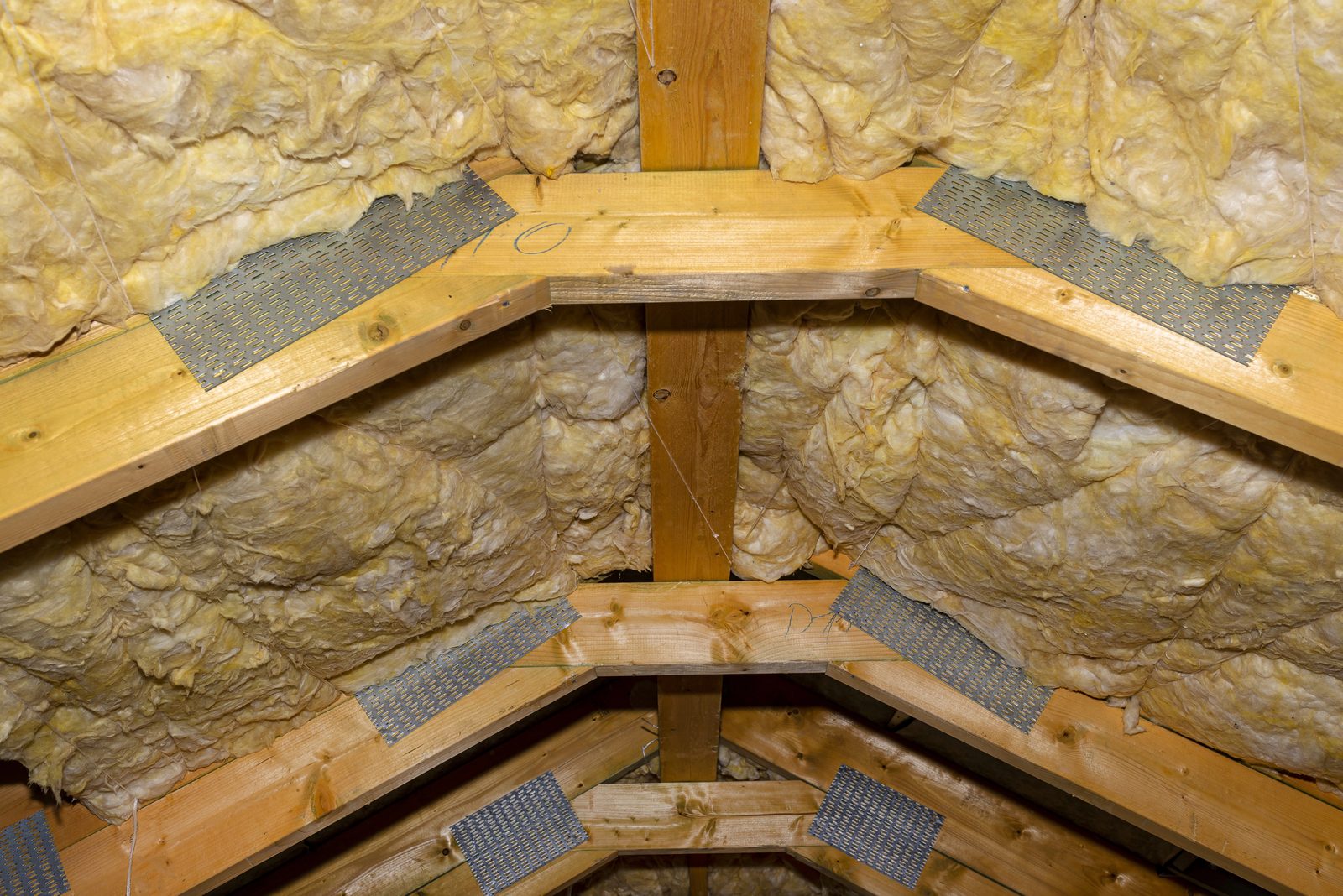
San Francisco's microclimate creates roofing conditions found nowhere else in California. The persistent fog that rolls in from the Pacific Ocean saturates roofing materials with moisture that inland areas never experience, leading to accelerated wear on composition shingles and increased moss growth on tile and slate roofs. This constant moisture exposure means proper attic ventilation becomes critical for preventing rot in roof decking and rafters.
Properties in coastal neighborhoods face additional challenges from salt air corrosion, which can deteriorate metal flashing, fasteners, and valley components faster than typical weathering. San Francisco roofers working near the ocean know to specify corrosion-resistant materials and inspect fasteners during routine maintenance.
Seismic considerations add another layer of complexity. California building codes require earthquake-resistant installation methods, and Chapter 34A regulations mandate seismic retrofits for certain soft-story buildings built before modern codes took effect. Roofing contractors working on these structures must coordinate roof replacement with seismic upgrade requirements.
The city's famously steep streets present installation challenges that flat suburban neighborhoods never encounter. Crews working on roofs in neighborhoods like Russian Hill or Nob Hill need specialized safety equipment, staging techniques, and material handling procedures. This terrain factor explains why San Francisco roof replacement costs typically run higher than similar projects in flatter Bay Area cities.
Victorian and Edwardian architecture throughout the city often features complex roof geometries with multiple valleys, dormers, and decorative elements that increase installation difficulty and material waste. These architectural details require experienced crews who understand historic building techniques and can match original rooflines precisely.
Common Roofing Materials in San Francisco
The question "What type of roof is best for California?" has different answers in San Francisco than in Sacramento or Los Angeles, primarily due to fog and moisture exposure.
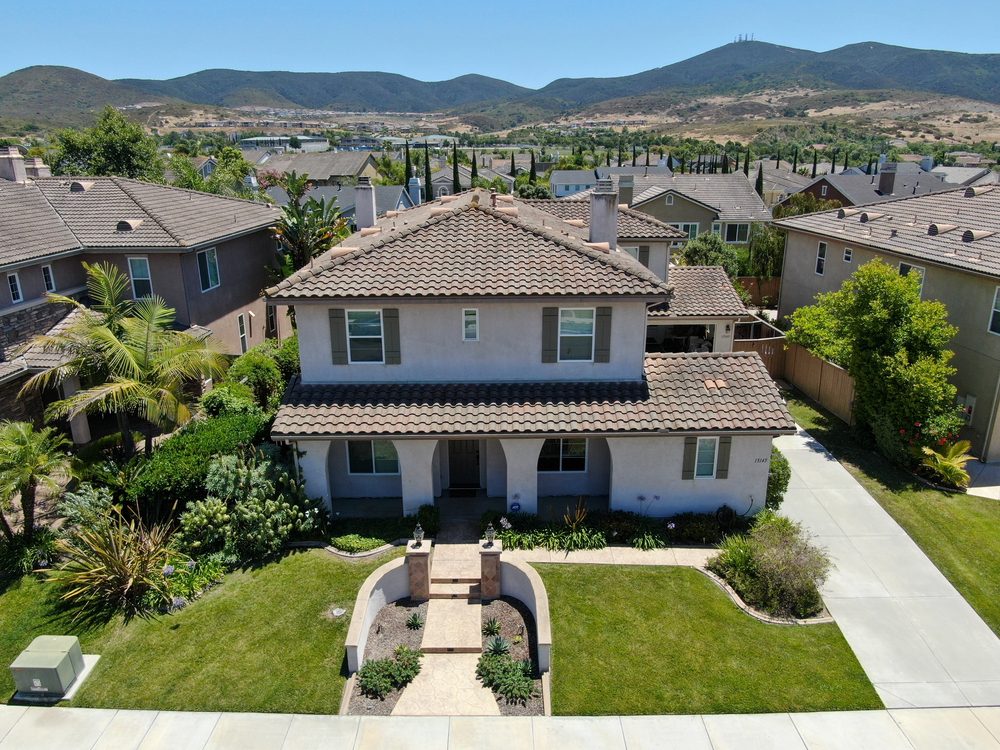
Slate roofing appears on many historic San Francisco homes, particularly Victorians in Pacific Heights and Presidio Heights. Natural slate offers exceptional longevity (75-100+ years) and performs well in foggy conditions since the dense stone resists moisture absorption. The material's weight requires adequate structural support, and installation costs run significantly higher than other options, but the lifespan often justifies the investment for historic properties. Clay and concrete tile suits San Francisco's Mediterranean-style homes and provides excellent durability in coastal conditions. Tile roofs typically last 50+ years and resist fire, insects, and moisture damage. The material's weight (similar to slate) requires structural verification before installation. Clay tiles cost more than concrete but offer superior color retention and traditional aesthetics. Composition shingles provide the most affordable option for residential roofing in San Francisco, with typical lifespans of 20-25 years depending on quality and exposure. Architectural shingles perform better than three-tab varieties in foggy conditions, especially when installed with proper ventilation. The fog belt areas may see slightly shorter service life than inland neighborhoods due to constant moisture exposure. Flat commercial roofing systems like TPO (thermoplastic polyolefin) and EPDM (rubber membrane) serve the city's commercial buildings and multi-family properties. These single-ply membranes handle San Francisco's temperature fluctuations well and resist UV degradation. Proper drainage becomes especially important given the city's rainfall patterns. Metal roofing has gained popularity for both residential and commercial applications. Standing seam metal roofs excel in foggy conditions since they shed moisture quickly and resist corrosion when properly coated. Metal performs well in seismic events due to its light weight and flexibility, making it an increasingly common choice for modern construction and historic retrofits. Metal roofs typically last 40-70 years depending on material and finish quality.Permit Requirements and SF Building Codes
San Francisco requires building permits for virtually all roof replacement projects and most significant repairs. The Department of Building Inspection oversees the permit process, which ensures work meets current building codes including fire safety, structural, and seismic requirements.
The answer to "Do I need a permit to replace my roof in California?" is definitively yes in San Francisco for full replacements. Permits typically cost several hundred dollars and require plan review by city inspectors. The process adds 2-4 weeks to project timelines, though experienced contractors handle applications and inspections as part of their standard service.
Permit requirements serve important purposes beyond bureaucracy. Inspectors verify that roofing work meets fire-rated material requirements in certain zones, follows proper ventilation standards, and incorporates seismic attachment methods. Buildings in designated fire hazard areas must use Class A fire-rated materials, which inspectors verify during the permit process.
Chapter 34A regulations require seismic upgrades for soft-story buildings (typically wood-frame structures with large openings on the ground floor built before 1978). When replacing roofs on these buildings, contractors may need to coordinate with seismic retrofit requirements, adding complexity and cost to the project.
Reputable San Francisco roofing contractors handle permit applications, maintain required insurance and bonds, and schedule inspections as part of their service. Homeowners should be wary of contractors who suggest skipping permits to save money, as unpermitted work creates liability issues and complications during home sales.
The San Francisco Planning Department maintains jurisdiction over work in historic districts, which may require additional review beyond standard building permits.
Historic District Roofing Considerations
San Francisco's Victorian and Edwardian neighborhoods include designated historic districts where roofing projects face additional approval requirements beyond standard building permits. Areas like Pacific Heights, Alamo Square (home to the famous Painted Ladies), and Presidio Heights contain properties subject to historic preservation review.
The San Francisco Planning Department requires property owners in these districts to maintain or restore historic architectural features, including roofline configurations, dormer styles, and original material choices. Replacing a slate roof with composition shingles might require planning commission approval, and some requests face denial if they compromise historic character.
Companies like Excelsior Roofing Co., in business since 1906, have extensive experience with San Francisco's Victorian and historic homes, understanding both the architectural requirements and the approval processes involved. This specialized knowledge becomes valuable when navigating preservation guidelines that might seem obscure to contractors who primarily work outside historic districts.
Matching original materials often means sourcing specialty products that most roofing suppliers don't stock regularly. Historic slate work requires finding appropriately sized and colored slate tiles, while certain Victorian-era clay tiles may need custom fabrication to match existing installations. These material requirements add both time and cost to historic district projects.
Approval timelines in historic districts typically add 4-8 weeks beyond standard permit processing, and planning commission meetings follow monthly schedules that can't be rushed. Homeowners planning roof work in designated districts should factor these extended timelines into project planning, especially when emergency repairs force rushed decisions.
Some roofing contractors specialize in historic preservation work and maintain relationships with the Planning Department that smooth the approval process. These specialists understand which modifications will likely gain approval and how to document historic features in ways that satisfy preservation requirements.
What to Look for in a San Francisco Roofing Contractor
Finding a reputable roofer in San Francisco starts with verifying their California contractor license. All roofing contractors must hold a valid C-39 roofing contractor license issued by the Contractors State License Board (CSLB). Homeowners can verify license status, check for complaints, and review insurance coverage at the CSLB website (cslb.ca.gov) by entering the license number.
Workers' compensation insurance protects homeowners from liability if crew members suffer injuries during roofing work. California law requires contractors with employees to carry workers' comp coverage, and homeowners should request proof of current insurance before signing contracts. Contractors without proper coverage transfer injury liability to the property owner.
San Francisco-specific experience matters more than generic roofing credentials. Contractors who primarily work in the Central Valley may lack familiarity with fog-related moisture issues, historic preservation requirements, or the permitting quirks specific to the Department of Building Inspection. Look for contractors who can discuss how they handle Chapter 34A compliance, handle Planning Department reviews, and select materials appropriate for coastal exposure.
References from properties in your specific San Francisco neighborhood provide better insight than generic testimonials. A contractor with experience on similar Victorian homes in your area can speak to challenges like matching existing architectural details or working within the constraints of narrow streets and limited staging areas. Many roofing contractors in Oakland also serve San Francisco, and vice versa, given the similar climate challenges and building code requirements, so Bay Area references generally transfer well across cities.
Written estimates should detail material specifications (including manufacturer and grade), labor costs, permit fees, timeline, and warranty terms. Avoid contractors who provide verbal-only quotes or resist putting commitments in writing. Quality contractors offer both workmanship warranties (typically 5-10 years) and can facilitate manufacturer warranties on materials (often 20-50 years depending on product).
Years in business demonstrates stability and local reputation. San Francisco's oldest roofing companies—Lawson Roofing Co., a fourth-generation business serving the city since 1907, and others with multi-decade histories—have reputations to protect and institutional knowledge of the city's building stock. While newer companies can certainly provide quality work, established businesses offer the assurance of track records and ongoing accountability.
Questions to ask roofing contractors include:
- How do you handle moisture and ventilation in San Francisco's fog belt?
- Have you worked in my neighborhood or on similar Victorian homes?
- Will you pull permits and handle all inspections?
- What warranties do you offer on workmanship and materials?
- Can you provide references from recent San Francisco projects?
For a detailed guide on how to hire a roofing contractor, including questions to ask and red flags to watch for, consult our comprehensive homeowner resource.
Frequently Asked Questions
How much does roof replacement cost in San Francisco?
Roof replacement costs in San Francisco typically run higher than other Bay Area cities due to several factors: steeper labor rates reflecting the city's cost of living, permit fees charged by the Department of Building Inspection, and potential historic preservation requirements in designated districts. Costs vary significantly based on roof size, material selection, and architectural complexity. Victorian homes with multiple dormers and complex valleys cost more to roof than simple ranch-style homes. Homeowners should obtain multiple written estimates from licensed contractors to compare pricing for their specific property.
How often should you replace your roof in San Francisco?
Roof replacement frequency depends primarily on material type. Composition shingle roofs typically last 20-25 years in San Francisco, though fog exposure and moisture may reduce lifespan slightly compared to drier inland areas. Tile roofs often exceed 50 years, while slate installations can last 75-100+ years with proper maintenance. Metal roofing typically provides 40-70 years of service. Regular inspections help identify when repairs can extend roof life versus when full replacement becomes necessary. Properties near the ocean may require more frequent maintenance due to salt air corrosion.
Do all San Francisco roofers handle permits?
Reputable licensed contractors handle the permit process as a standard part of their service, including application submission, fee payment, and inspection scheduling. This service protects homeowners from code compliance issues so work meets current safety and structural standards. Contractors who suggest skipping permits to save money or time should raise red flags, as unpermitted work creates liability during home sales and may void insurance coverage. The Department of Building Inspection requires permits for roof replacement and most significant repairs, making contractor-managed permitting essential for compliant projects.
Is a leaking roof covered by insurance?
Insurance coverage for roof leaks depends on the damage cause. Sudden events like storm damage, falling trees, or fire typically qualify for coverage under homeowners insurance policies. Gradual deterioration from age, lack of maintenance, or normal wear generally falls under homeowner responsibility rather than insured events. When roof repair services identify leak causes, contractors can often help document damage for insurance claims. Homeowners should review their specific policy terms and work with contractors experienced in insurance claim documentation when storm damage occurs.
How long does roof replacement take in San Francisco?
Most residential roof replacements in San Francisco take 1-3 days for the physical installation work, depending on roof size and complexity. Victorian homes with intricate details, multiple dormers, or steep pitches may require additional time. However, the overall project timeline includes permit approval (2-4 weeks), material ordering (1-2 weeks), and potential historic preservation review (4-8 weeks for designated districts). Weather delays can extend timelines since roofing requires dry conditions. Full roof replacement in historic districts requires additional approvals from the SF Planning Department, extending the overall project timeline beyond standard permits.
What roofing materials work best in San Francisco fog?
Moisture-resistant materials perform best in San Francisco's persistent fog conditions. Tile (clay or concrete), slate, and metal roofs shed moisture quickly and resist the damp conditions that can reduce composition shingle lifespan. Proper attic ventilation matters as much as material selection, since trapped moisture causes rot in roof decking regardless of the exterior material used. Quality architectural shingles with adequate ventilation can perform well, but homeowners should expect slightly shorter service life in fog belt neighborhoods compared to manufacturer estimates based on average conditions. Properties near the southern border of San Francisco share similar fog exposure, requiring moisture-resistant materials and proper ventilation.
How do I verify a roofer's California license?
The Contractors State License Board (CSLB) maintains an online license verification system at cslb.ca.gov where homeowners can check contractor credentials by entering the license number or business name. Valid roofing licenses carry the C-39 classification. The database shows license status (active, suspended, or revoked), expiration dates, workers' compensation insurance coverage, bonding information, and any disciplinary actions or complaints filed against the contractor. This verification process takes minutes and should be the first step before requesting estimates or signing contracts.
Finding Licensed San Francisco Roofing Contractors
San Francisco homeowners benefit from choosing contractors who understand the city's specific challenges beyond generic roofing knowledge. Fog and moisture exposure often lead to minor issues that roof repair services can address before they require full replacement, making it valuable to establish relationships with local contractors for ongoing maintenance.
The city's roofing industry includes companies with exceptional longevity and local expertise. Lawson Roofing Co. operates from 1495 Tennessee Street and has served San Francisco since 1907 as a fourth-generation business specializing in commercial and residential projects. Excelsior Roofing Co. has provided roofing services since 1906, earning an A+ BBB rating through over a century of residential and commercial work including gutter and skylight installations.
When researching contractors, homeowners should prioritize San Francisco-specific experience over general credentials, verify licensing and insurance through official channels, and request references from similar properties in their neighborhood. The combination of proper contractor selection and appropriate material choices for the city's climate ensures roof systems that protect homes for decades while meeting historic preservation standards where applicable.
---