Roofing Contractors in Richmond
Richmond's proximity to San Francisco Bay creates roofing challenges found nowhere else in California. Salt air drifts inland from the marina and waterfront, corroding metal components and accelerating wear on standard materials. Strong bay winds test every fastener and shingle, especially in elevated areas like Richmond Hills. From Point Richmond's Victorian homes to mid-century flatland neighborhoods, each area faces distinct demands shaped by coastal weather patterns and architectural character.
Richmond roofing contractors specialize in coastal conditions because proximity to San Francisco Bay means salt air corrosion, strong winds, and temperature variations require specific materials and installation methods. Understanding these factors separates contractors who simply install roofs from those who protect homes against Richmond's unique environment. Finding the right contractor means looking for experience with bay weather challenges, knowledge of neighborhood characteristics, and proven expertise in coastal roofing systems.
Richmond's Bay Weather Impact on Roofing
Richmond's position on San Francisco Bay exposes roofs to salt air corrosion, strong bay winds, and temperature fluctuations. These coastal conditions accelerate roof aging and require corrosion-resistant materials, proper ventilation, and secure fastening systems.

Salt spray carried by prevailing winds settles on roof surfaces, penetrating small gaps around flashings and fasteners. Over time, this moisture causes metal components to rust and deteriorate faster than in inland areas. Metal valleys, drip edges, and vent flashings typically need replacement years sooner in Richmond than in communities just 15 miles inland. The constant exposure also breaks down asphalt compounds in composition shingles, reducing their expected lifespan by 15 to 20 percent.
Temperature swings between daytime warmth and foggy evenings create expansion and contraction cycles that stress roofing materials. Morning fog rolls in from the bay, blanketing Richmond in moisture that takes hours to burn off. These daily shifts, combined with moderate year-round temperatures, prevent roofs from fully drying out between weather events. Proper attic ventilation becomes critical for managing this moisture and preventing premature rot in roof decking and framing.
Wind patterns off San Francisco Bay intensify around the Richmond Marina and waterfront properties, placing additional stress on roof attachments. Bay winds funnel through gaps between structures and accelerate over hillside properties, creating uplift forces that can tear improperly secured shingles loose during winter storms. Contractors familiar with Richmond's wind zones install roofs with reinforced fastening patterns and wind-rated materials designed for coastal exposure.
Point Richmond: Victorian and Historic Homes
Point Richmond's Victorian homes feature steep-pitch roofs, complex gables, and decorative trim requiring specialized roofing expertise. Contractors must balance historic character preservation with modern weatherproofing standards for these turn-of-century structures.
The Point Richmond Historic District contains some of Richmond's oldest residential architecture, with homes dating back to the 1890s and early 1900s. These Victorians typically feature multi-level rooflines with intersecting gables, ornate bargeboards, and original wood shake or slate roofing. Replacing roofs on these structures requires understanding period-appropriate materials and installation techniques while meeting current building codes and weatherproofing standards.
Steep roof pitches on Victorian homes create access challenges and safety concerns during installation. Many Point Richmond properties have pitches exceeding 8:12 or even 10:12, requiring contractors to use specialized staging, scaffolding, and fall protection equipment. Working at these angles demands experience and proper training, particularly when matching existing rooflines or preserving decorative elements.
Preserving architectural character while upgrading to modern materials involves careful material selection. Homeowners often choose composition shingles designed to mimic the appearance of historic wood shake or slate, maintaining the Victorian aesthetic while gaining the durability and fire resistance of contemporary products. Some properties retain original slate roofing, which requires contractors experienced in slate repair and replacement techniques rarely used on standard residential roofs.
Complex roof valleys and intersections on Victorian homes create multiple potential leak points. Proper flashing installation around dormers, gables, and decorative trim demands precision and attention to detail. Contractors working in Point Richmond need experience with these architectural features for watertight installations that respect the historic character of the neighborhood.
Richmond Hills and Hillside Neighborhoods
Richmond Hills properties face increased wind exposure and access challenges. Steep slopes require specialized safety equipment and proper fastening to resist wind uplift, while maintaining views and protecting elevated structures.
Homes built on hillside lots above the flatlands experience stronger, more consistent winds than properties at lower elevations. The topography accelerates wind speed as it flows up and over ridgelines, creating uplift forces that test roof attachments. Contractors installing roofs on Richmond Hills properties typically use hurricane clips or additional fasteners beyond standard requirements to secure shingles and prevent blow-offs during winter storms.
Access to hillside properties complicates material delivery and equipment staging. Narrow streets, steep driveways, and limited parking areas make it difficult to position trucks and equipment near work sites. Some properties require materials to be hand-carried up slopes or lifted by crane, adding time and cost to projects. Contractors experienced with Richmond Hills understand these logistical challenges and plan accordingly.
Panoramic views represent a major selling point for hillside homes, and roof replacements must preserve sightlines while protecting structures. Homeowners often request low-profile venting systems and minimal rooftop penetrations to maintain clean rooflines visible from street level. Contractors balance these aesthetic preferences with proper ventilation requirements needed for moisture management and roof longevity.
Elevated properties bordering El Sobrante share similar characteristics with Richmond Hills homes, facing comparable wind exposure and access challenges. Many roofing contractors in Berkeley and Oakland also serve these East Bay hillside areas, given the shared geography and similar coastal influences across the region.
Flatland Neighborhoods and Established Communities
Mid-century tract homes dominate Richmond's flatland neighborhoods, featuring standard roof configurations and straightforward maintenance needs. These properties typically use composition shingles installed over plywood or OSB decking, with simple gable or hip roof designs that present fewer complications than historic or hillside homes.
Post-war construction in Richmond followed similar patterns to other Bay Area communities, creating neighborhoods of ranch-style homes and modest two-story structures built between the 1950s and 1970s. Roofs on these properties generally have moderate pitches between 4:12 and 6:12, allowing for safe access and standard installation methods. Most require roof repair or replacement on predictable schedules based on material lifespan and weather exposure.
Gutter systems on flatland properties face consistent maintenance demands from Richmond's seasonal rainfall and salt air exposure. Aluminum gutters develop corrosion and may require replacement after 20 to 25 years, while properly maintained copper gutters can last 50 years or more. Regular cleaning prevents clogs that lead to overflow and water damage to fascias and siding.
Standard roof maintenance for Richmond flatland homes includes checking flashings around chimneys and plumbing vents, inspecting for missing or damaged shingles after winter storms, and ensuring proper attic ventilation. These routine tasks prevent minor issues from developing into major repairs, extending roof lifespan and protecting interior spaces from water intrusion.
Industrial and Commercial Areas
Richmond's industrial legacy includes numerous commercial and warehouse properties requiring flat roofing systems and commercial-grade materials. The Richmond Industrial Park and surrounding commercial zones contain buildings with modified bitumen, TPO, or built-up roofing systems designed for low-slope or flat applications.
Flat commercial roofs demand different expertise than residential pitched roofs. Water drainage becomes critical on surfaces with minimal slope, requiring properly positioned drains, scuppers, and tapered insulation systems to prevent ponding. Commercial contractors experienced with Richmond's industrial properties understand these drainage requirements and local building codes governing commercial roofing installations.
Warehouse and industrial buildings often feature metal roofing systems that excel in coastal environments when properly maintained. Metal roofs resist salt air corrosion better than many alternatives, particularly when installed with corrosion-resistant fasteners and coatings designed for marine exposure. Regular inspections identify rust spots and failing sealants before they lead to leaks.
Many Richmond contractors serve both residential and commercial markets, applying their understanding of bay weather challenges across property types. The same salt air and wind concerns affecting homes in Point Richmond impact commercial buildings near the waterfront, requiring similar attention to material selection and secure installation methods.
Common Roofing Materials in Richmond
Composition shingles dominate Richmond residential roofing for affordability and versatility, but tile and metal roofing offer superior durability in coastal conditions. Salt-resistant materials and proper ventilation extend roof life in bay climate exposure.
Three-tab and architectural composition shingles account for roughly 70 percent of Richmond residential roofs. Modern composition shingles rated for high winds (typically 110 mph or higher) provide adequate performance when properly installed with correct fastener spacing and placement. Quality varies significantly between budget and premium shingles, with higher-grade products using heavier base mats and better asphalt formulations that resist salt air degradation more effectively.
Tile roofing appears on Spanish-style homes, period residences in Point Richmond, and upscale properties throughout Richmond. Concrete and clay tiles resist salt air corrosion and handle coastal moisture better than composition shingles, often lasting 50 years or more with minimal maintenance. The added weight requires proper roof framing support, and installation costs run two to three times higher than composition shingles. However, tile's longevity and low maintenance needs offset the higher initial investment for many homeowners.
Metal roofing gains popularity in Richmond for its exceptional durability and resistance to coastal conditions. Standing seam metal roofs shed water efficiently, resist wind uplift, and remain unaffected by salt air when installed with proper fasteners and underlayment. Metal roofing works particularly well on hillside properties and homes with modern architectural styles, though some homeowners avoid it for traditional homes where it might appear out of character.
Flat roofing systems used on commercial properties and some modern residential designs include TPO (thermoplastic polyolefin), modified bitumen, and built-up roofing. Each system has specific advantages in coastal environments, with TPO offering superior UV resistance and heat reflection while modified bitumen provides flexibility and ease of repair.
Wind and Weather Protection
Richmond's exposure to bay winds requires proper fastening with hurricane clips and wind-rated materials. Secure installation prevents wind uplift, which is especially important for properties near the marina and shoreline.
Wind uplift occurs when fast-moving air creates low pressure zones on the leeward side of roof surfaces, essentially trying to pull roofing materials upward and off the structure. Bay winds accelerating over Richmond create these uplift forces, particularly during winter storms when sustained winds reach 30 to 40 mph with higher gusts. Properly installed roofs resist these forces through secure attachment of roof decking to framing and roofing materials to decking.
Hurricane clips or truss clips connect roof framing to wall structures, preventing the entire roof assembly from lifting during extreme wind events. While Richmond doesn't face hurricane conditions, these same connectors provide valuable protection against bay area windstorms. Building codes in coastal zones often require these reinforced connections, and experienced contractors install them even when not strictly mandated.
Six-nail fastening patterns for composition shingles instead of standard four-nail patterns add resistance to wind uplift. This reinforced attachment method focuses extra fasteners in high-stress zones along roof edges and ridges where wind forces concentrate. The modest additional cost in labor and materials provides significant improvement in wind resistance.
Storm preparation includes inspecting roofs before winter weather arrives, securing or removing loose items that could become projectiles, and checking that all flashings and sealants remain intact. Homeowners in Richmond benefit from scheduling roof inspections in early fall, allowing time to address any issues before storms arrive. Many contractors offer maintenance programs that include seasonal inspections and minor repairs, preventing storm damage before it occurs.
Gutter Systems and Water Management
Corrosion-resistant gutters handle Richmond's combination of seasonal rainfall and salt air exposure. Aluminum gutters dominate residential installations for their balance of affordability and durability, typically lasting 20 to 25 years in coastal conditions. Painted or powder-coated aluminum resists corrosion better than bare metal, though paint eventually weathers and may require refinishing.
Copper gutters represent a premium option offering exceptional longevity and a distinctive appearance that develops a natural patina over time. The higher upfront cost (often three to four times the price of aluminum) balances against 50-plus-year lifespan and minimal maintenance requirements. Copper works particularly well on historic homes in Point Richmond, where the material's appearance complements Victorian architecture.
Proper gutter sizing and downspout placement prevent overflow during Richmond's heaviest rainfall events. Standard five-inch gutters handle most residential applications, but homes with large roof areas or steep pitches may benefit from six-inch gutters that channel higher water volumes. Downspouts should discharge at least five feet from foundations to prevent soil saturation and potential foundation issues.
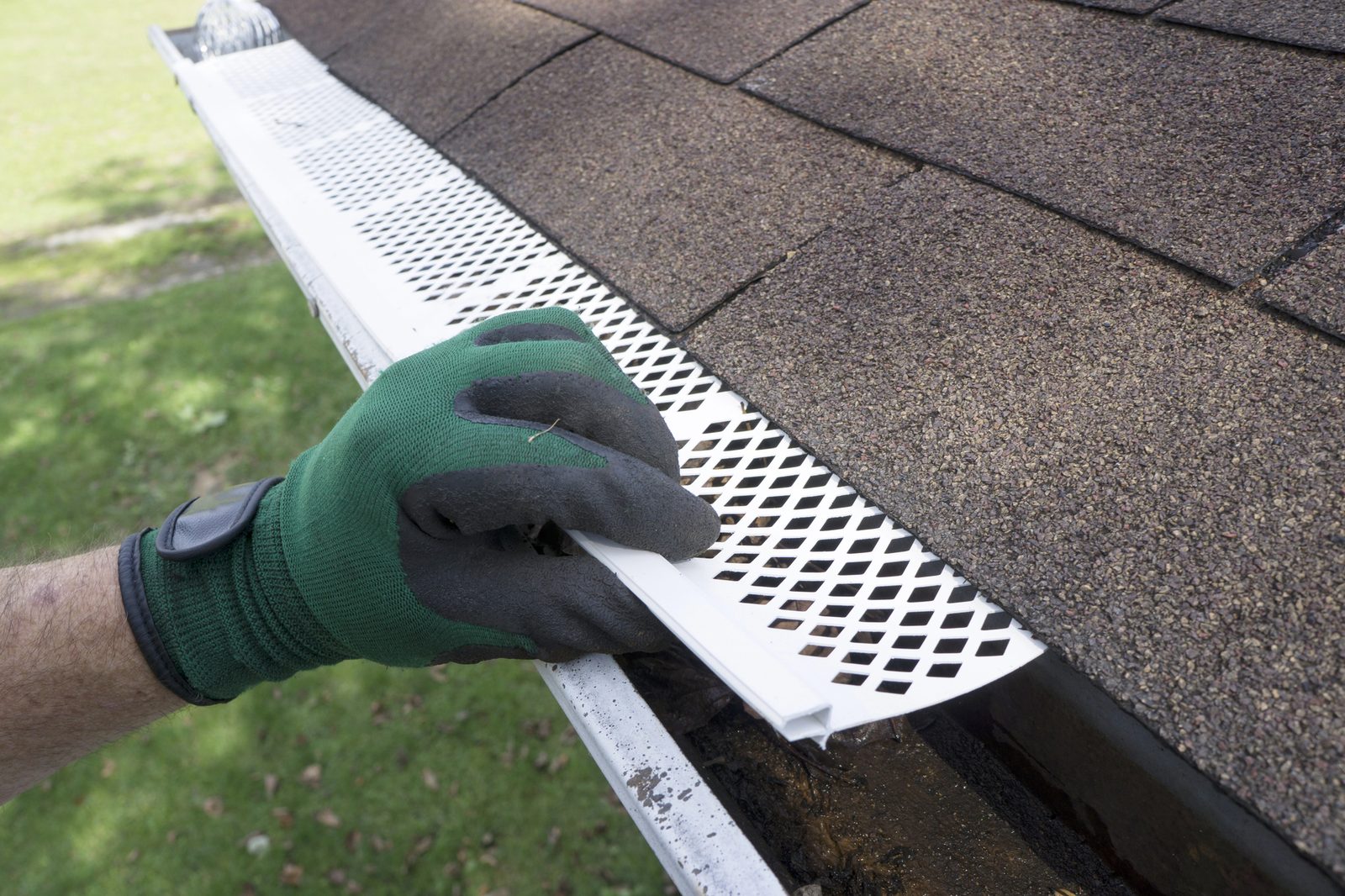
Gutter guards or screens reduce maintenance by preventing leaf and debris accumulation, though they don't eliminate cleaning entirely. Salt spray still deposits on surfaces, and fine debris works through or under most gutter protection systems over time. Regular cleaning once or twice yearly maintains proper water flow and prevents corrosion caused by standing water in clogged gutters.
Choosing a Richmond Roofing Contractor
Experienced Richmond roofing contractors understand bay weather challenges and neighborhood characteristics. Look for established local companies with proven expertise in coastal roofing conditions.
Verify that contractors hold valid C-39 roofing licenses issued by the California Contractors State License Board. This license classification specifically covers roofing work and requires passing examinations demonstrating technical knowledge and understanding of building codes. License status can be checked online through the CSLB website, where you can also review any complaints or disciplinary actions.
Insurance coverage protects homeowners from liability if workers are injured on the property or if damage occurs during installation. Request certificates of insurance showing both general liability coverage and workers' compensation insurance. Legitimate contractors carry these policies and provide documentation without hesitation.
Local references from recent projects in Richmond provide insight into a contractor's work quality and customer service. Ask for contact information from projects in your neighborhood or involving similar roof types. Talking with past customers reveals how contractors handle unexpected issues, whether they complete work on promised schedules, and how they address any concerns that arise.
Richmond-based Pacific Coast Roofing Service has been serving the area since 1996, offering family-owned expertise in coastal roofing challenges. Their experience with bay weather conditions and diverse Richmond neighborhoods, from Point Richmond Victorians to Richmond Hills properties, demonstrates the local knowledge homeowners should seek. Contractors like Pacific Coast Roofing Service serve Richmond along with El Sobrante, Berkeley, Oakland, Walnut Creek, and San Pablo, bringing regional expertise to every project.
Written estimates should itemize materials, labor, permits, and any additional costs like debris removal or deck repairs discovered during tear-off. Compare estimates on equal terms by specifying the same materials and scope of work to each contractor. The lowest bid may not represent the best value if it uses inferior materials or skips important preparation steps.
Warranty coverage includes both manufacturer warranties on materials and contractor warranties on installation labor. Quality shingle manufacturers typically offer 25 to 50-year material warranties, while installation warranties should cover at least five years and preferably 10 years or more. Understanding what each warranty covers and any maintenance requirements helps avoid surprises if problems develop.
Frequently Asked Questions
How does salt air from San Francisco Bay affect Richmond roofs?
Salt air accelerates corrosion on metal components like flashings, valleys, and fasteners, often reducing their lifespan by 20 to 30 percent compared to inland areas. The salt also breaks down asphalt compounds in composition shingles, causing granule loss and brittleness that shortens overall roof life. Proper ventilation helps manage moisture accumulation from fog and salt spray, while using corrosion-resistant materials like galvanized or stainless steel fasteners extends component lifespan.
What roofing materials work best in Richmond's coastal climate?
Composition shingles rated for high wind speeds perform adequately when properly installed, though they require replacement sooner than in inland areas. Tile roofing offers superior durability and salt resistance, often lasting 50 years or more with minimal maintenance. Metal roofing excels in coastal conditions, shedding water efficiently and resisting corrosion when installed with appropriate fasteners and underlayment. The best choice depends on home style, budget, and long-term maintenance preferences.
Do Point Richmond Victorian homes require special roofing considerations?
Victorian homes in the Point Richmond Historic District feature steep pitches, complex gables, and architectural details that demand specialized expertise. Contractors must preserve historic character while meeting modern building codes, often using materials that replicate the appearance of original wood shake or slate. The steep pitches and intricate rooflines require experienced crews with proper safety equipment and scaffolding. Some properties retain original slate roofing, which requires contractors skilled in slate repair techniques rarely needed on standard homes.
How can I protect my Richmond roof from bay winds?
Proper installation using reinforced fastening patterns provides the primary defense against wind damage. Hurricane clips connecting roof framing to walls, six-nail shingle fastening instead of standard four-nail patterns, and wind-rated materials designed for coastal exposure all improve wind resistance. Schedule inspections before winter storm season to identify and repair any loose or damaged components. Properties in Richmond Hills and near the waterfront face higher wind exposure and may benefit from additional reinforcement beyond minimum code requirements.
What should I look for when hiring a Richmond roofing contractor?
Verify the contractor holds a valid C-39 license through the California Contractors State License Board and carries both general liability and workers' compensation insurance. Request local references from recent Richmond projects, particularly those involving similar roof types or neighborhood characteristics. Ask about experience with coastal conditions, including salt air exposure and wind protection methods. Written estimates should detail materials, labor, permits, and warranties on both products and installation. Established local contractors familiar with Richmond's neighborhoods and weather patterns typically provide better long-term value than out-of-area companies unfamiliar with bay conditions.
Why do Richmond Hills properties have different roofing needs?
Elevated properties experience stronger winds due to topography that accelerates airflow up and over ridgelines. This increased wind exposure requires reinforced fastening methods and careful attention to roof edge details where uplift forces concentrate. Access challenges from steep driveways and narrow streets complicate material delivery and equipment staging, often adding time and cost to projects. Homeowners value panoramic views and request low-profile venting and minimal rooftop penetrations, requiring contractors to balance aesthetics with proper ventilation needs. These factors combine to make hillside roofing more complex than similar work on flatland properties.