Flat Roofing Services in the Bay Area
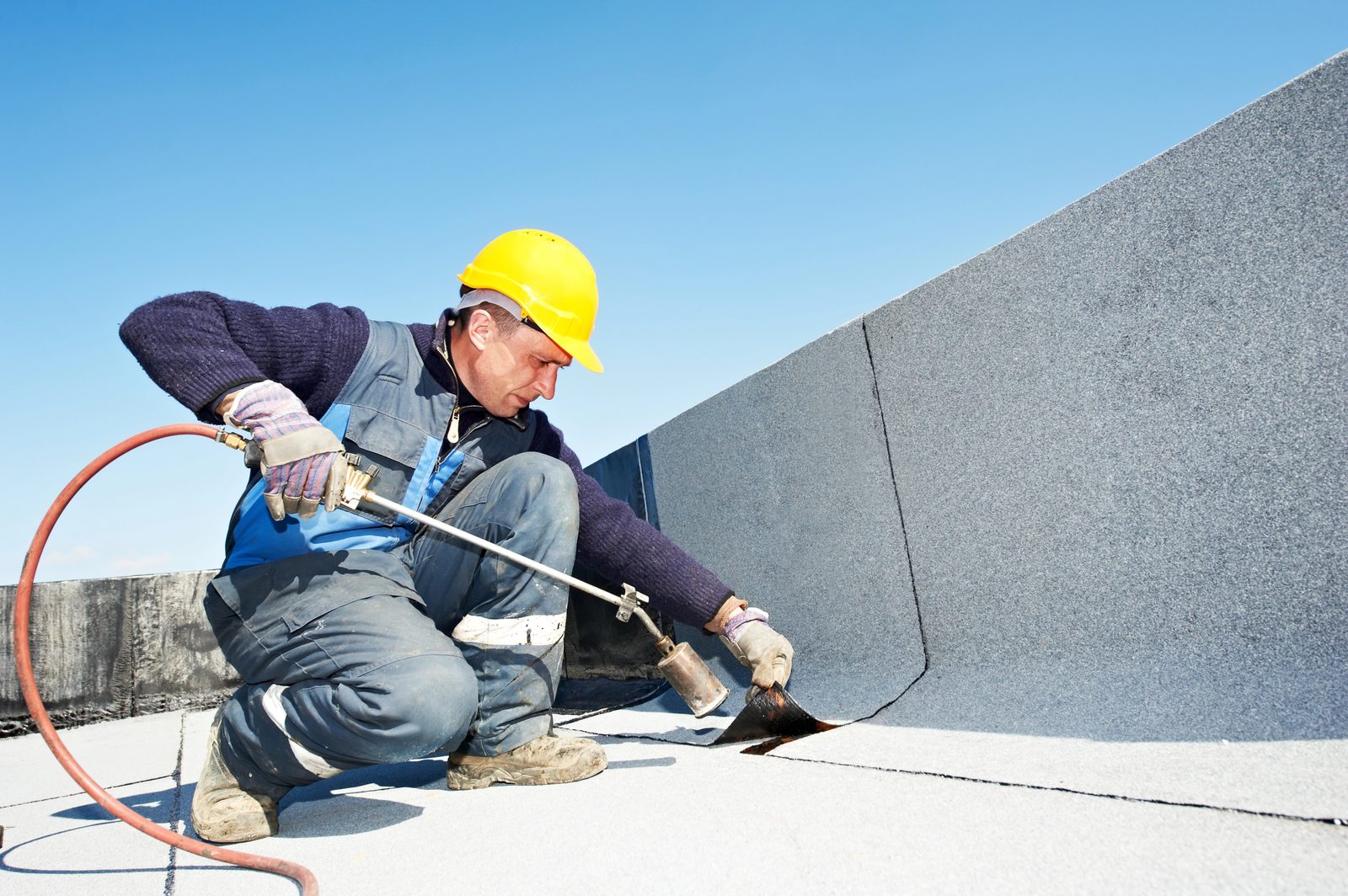
Flat roofing serves commercial buildings, modern homes, and additions throughout the Bay Area. Unlike traditional pitched roofs, flat roofs have a low slope (less than 3:12 pitch) and use specialized membrane materials designed for water resistance and durability. Bay Area property owners rely on flat roofing for commercial construction, contemporary residential designs, and garage or patio additions. This guide covers flat roofing systems, common problems specific to the Bay Area, maintenance requirements, and how to find qualified contractors with flat roof expertise.
Flat Roofing Systems and Materials
Bay Area flat roofs use membrane-based systems designed to create watertight surfaces on low-slope applications. The best material for a flat roof depends on budget, building type, and performance needs. Modern membrane systems offer 20-30 year lifespans with proper installation and maintenance.
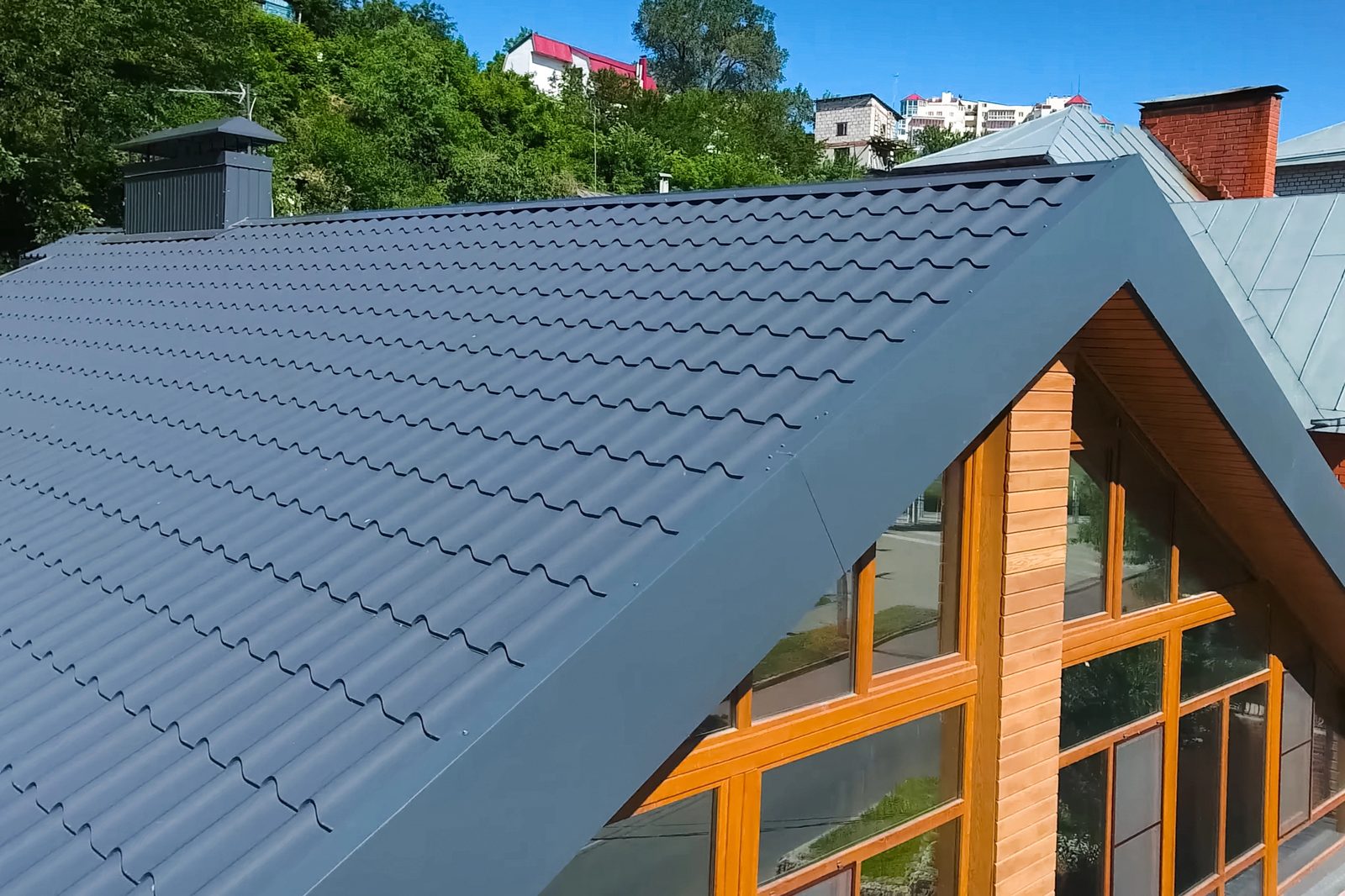 TPO (Thermoplastic Polyolefin) is the most popular modern flat roof material in the Bay Area. TPO features a white reflective surface that reduces cooling costs, especially important in East Bay locations with higher temperatures. Heat-welded seams eliminate adhesive failure points, creating permanent watertight bonds. Quality TPO installations last 20-30 years and perform well in the Bay Area's moderate climate with fog exposure.
EPDM (rubber membrane) provides a cost-effective flat roofing option available in black or white finishes. EPDM can be fully adhered or mechanically attached to the roof deck. Property owners choose EPDM for its proven 20-25 year performance and lower material costs compared to TPO or PVC. EPDM handles the Bay Area's fog and moisture conditions effectively.
PVC roofing serves as a premium flat roof material with chemical resistance ideal for restaurant roofs or buildings with HVAC equipment producing condensate. Like TPO, PVC uses heat-welded seams for permanent waterproofing. PVC systems last 25-35 years and resist punctures better than other single-ply membranes.
Modified bitumen offers a traditional multi-ply flat roofing system using torch-applied or self-adhering sheets. Modified bitumen provides 15-20 years of service and works well for small flat roof sections on residential properties. Some Bay Area contractors prefer modified bitumen for garage roofs and additions.
Built-up roofing (BUR) consists of multiple layers of tar and gravel creating a thick, durable surface. While older commercial buildings often have BUR systems, new installations are less common due to weight and installation complexity. Existing BUR roofs typically last 15-25 years before replacement becomes necessary.
TPO (Thermoplastic Polyolefin) is the most popular modern flat roof material in the Bay Area. TPO features a white reflective surface that reduces cooling costs, especially important in East Bay locations with higher temperatures. Heat-welded seams eliminate adhesive failure points, creating permanent watertight bonds. Quality TPO installations last 20-30 years and perform well in the Bay Area's moderate climate with fog exposure.
EPDM (rubber membrane) provides a cost-effective flat roofing option available in black or white finishes. EPDM can be fully adhered or mechanically attached to the roof deck. Property owners choose EPDM for its proven 20-25 year performance and lower material costs compared to TPO or PVC. EPDM handles the Bay Area's fog and moisture conditions effectively.
PVC roofing serves as a premium flat roof material with chemical resistance ideal for restaurant roofs or buildings with HVAC equipment producing condensate. Like TPO, PVC uses heat-welded seams for permanent waterproofing. PVC systems last 25-35 years and resist punctures better than other single-ply membranes.
Modified bitumen offers a traditional multi-ply flat roofing system using torch-applied or self-adhering sheets. Modified bitumen provides 15-20 years of service and works well for small flat roof sections on residential properties. Some Bay Area contractors prefer modified bitumen for garage roofs and additions.
Built-up roofing (BUR) consists of multiple layers of tar and gravel creating a thick, durable surface. While older commercial buildings often have BUR systems, new installations are less common due to weight and installation complexity. Existing BUR roofs typically last 15-25 years before replacement becomes necessary.
Bay Area flat roof selection considers climate factors including fog resistance, seismic flexibility for earthquake movement, and reflective properties. White TPO and PVC membranes reduce cooling costs significantly compared to dark-colored materials, making them practical choices for commercial buildings in warmer Bay Area microclimates.
Common Flat Roof Problems in the Bay Area
Flat roofs face unique challenges compared to pitched roofing systems. Understanding common problems helps property owners identify issues early and prevent major damage.
Ponding water causes the majority of flat roof failures in the Bay Area. Standing water remaining more than 48 hours after rain indicates drainage problems from inadequate slope, roof settling, or blocked drains. Ponding water accelerates membrane deterioration, adds structural weight, and leads to leaks through constant moisture exposure. Solutions range from improving drainage systems to adding tapered insulation that creates proper slope toward drains. Property owners noticing persistent standing water should address ponding water problems immediately to prevent membrane failure and interior water damage. Membrane damage occurs through punctures from foot traffic, debris impact, or equipment placement. TPO, EPDM, and PVC membranes resist normal wear but can puncture from sharp objects or rough handling during HVAC maintenance. Seam separation happens when adhesive-bonded seams fail over time or from thermal expansion and contraction. UV exposure gradually degrades membrane surfaces, while blistering develops when moisture becomes trapped under the membrane during installation. Flashing failures create leak points at roof transitions and penetrations. Parapet wall flashing separates from temperature cycling and building movement, particularly in earthquake-prone Bay Area locations. Penetration flashing around vents, HVAC units, and roof drains deteriorates from UV exposure and thermal stress. Edge metal at roof perimeters can separate from wind uplift or improper fastening. Drainage system clogs prevent water from leaving flat roofs efficiently. Bay Area properties with nearby trees experience frequent drain blockages from leaves and debris, especially during fall months. Roof drains, scuppers, and gutters require regular clearing to maintain proper water flow. Clogged drainage combined with even minor ponding creates conditions for membrane deterioration and leaks.Bay Area flat roofs face additional challenges from fog moisture that can accelerate certain deterioration patterns and seismic movement affecting flashing integrity. Regular inspections catch these problems before they develop into major leaks requiring extensive repairs.
Flat Roof Maintenance Requirements
Flat roof longevity depends heavily on preventive maintenance programs. Property owners who invest in regular inspections and minor repairs extend roof life from 15-20 years to the full 20-30 year potential of modern membrane systems.
Professional flat roof inspections should occur twice yearly at minimum, ideally in spring and fall. Bay Area property owners benefit from pre-winter inspections during October before the main rain season from November through April. Inspections identify ponding water areas, membrane damage, debris accumulation, flashing condition, and potential leak points before storms arrive.
Effective flat roof inspections include checking for standing water 48 hours after rain, examining the membrane surface for punctures, cracks, or seam separation, clearing debris from drains and scuppers, inspecting flashing at walls and penetrations, and looking for blistering or loose membrane areas. These inspection points catch developing problems while repairs remain simple and affordable.
Preventive maintenance tasks include cleaning roof drains and scuppers quarterly (monthly during fall in areas with heavy tree coverage), trimming overhanging tree branches that drop debris, repairing small membrane punctures before they expand, and resealing penetration flashing as caulking deteriorates. Property owners can perform basic visual inspections and drain clearing, but professional contractors identify subtle problems invisible to untrained observers.
Annual professional inspections by licensed flat roofing contractors provide thorough evaluations using proper safety equipment and technical knowledge. Contractors spot early membrane deterioration, drainage inadequacies, and flashing problems that property owners miss. The cost of preventive maintenance runs hundreds of dollars annually compared to thousands for emergency leak repairs or premature replacement.
Finding Experienced Flat Roof Contractors
Not all roofing contractors have flat roof experience. Flat roofing requires different skills, materials, and techniques compared to pitched roof systems. Property owners need contractors specifically qualified in membrane installation and flat roof problem-solving.
California requires all roofing contractors to hold an active C-39 Roofing license through the Contractors State License Board. Beyond basic licensing, flat roof contractors should demonstrate specialization through membrane installation certifications from TPO, EPDM, or PVC manufacturers. These certifications verify that installers completed manufacturer training on proper installation techniques and meet quality standards required for warranty coverage.
Bay Area property owners should ask potential flat roof contractors about their flat roofing experience specifically. Questions include the number of flat roofs installed or repaired, membrane systems they work with regularly, approach to solving ponding water issues, and warranties offered on materials and labor. Contractors focusing primarily on residential pitched roofs often lack the specialized knowledge for commercial roofing services and flat systems.
Insurance requirements include current general liability coverage and workers compensation insurance. Property owners should verify both before allowing contractors on site. Commercial flat roof references help establish contractor capability with similar building types and roof sizes.
Obtain multiple estimates from 3-5 contractors to compare pricing, approaches to drainage problems, and proposed materials. Detailed estimates specify membrane type and thickness, insulation R-value, flashing details, and warranty terms. Red flags include contractors who primarily install residential shingles, lack manufacturer certifications, or offer significantly lower pricing than competitors without clear explanations.
The hiring process benefits from guidance on how to hire a flat roofing contractor, including license verification, insurance confirmation, and contract evaluation. Bay Area property owners can browse our directory of licensed flat roofing contractors to find specialists experienced with TPO, EPDM, and PVC membrane systems serving commercial and residential properties.
Frequently Asked Questions
How much does flat roof replacement cost in the Bay Area?
Flat roof replacement in the Bay Area costs $4-12 per square foot installed. TPO and EPDM are most affordable ($4-7 per square foot), PVC runs $7-10 per square foot, and built-up roofing costs $5-8 per square foot. Total cost depends on roof size, material choice, and drainage improvements needed. A typical 1,500 square foot flat roof costs $6,000-15,000 to replace.
What is ponding water and why is it a problem?
Ponding water is standing water on a flat roof that remains more than 48 hours after rain. It indicates drainage problems and accelerates membrane deterioration, leading to leaks and reduced roof life. Ponding water adds weight to the structure and can freeze in winter. Solutions include improving drainage, adding tapered insulation, or installing additional drains.
Can you walk on a flat roof?
Yes, but with caution. TPO, EPDM, and PVC membranes can handle occasional foot traffic for inspections and maintenance. Avoid dragging equipment or sharp objects that can puncture the membrane. Use walk pads or protection boards in high-traffic areas. HVAC technicians and maintenance workers should use proper access routes to prevent damage.
How long does a TPO roof last?
TPO roofs in the Bay Area typically last 20-30 years with proper installation and maintenance. Quality varies by manufacturer and membrane thickness (45-mil, 60-mil, or 80-mil). Regular inspections and preventive maintenance extend lifespan. Bay Area's mild climate helps TPO roofs last longer than in extreme temperature regions.
Do flat roofs need to be completely flat?
No, flat roofs should have a slight slope (minimum 1:12 pitch, ideally 2:12) for drainage. Completely flat roofs are prone to ponding water. Proper flat roof design includes tapered insulation or structural slope directing water to drains or scuppers. The term "flat roof" refers to low-slope roofs, not perfectly level surfaces.