Commercial Roofing Services in the Bay Area
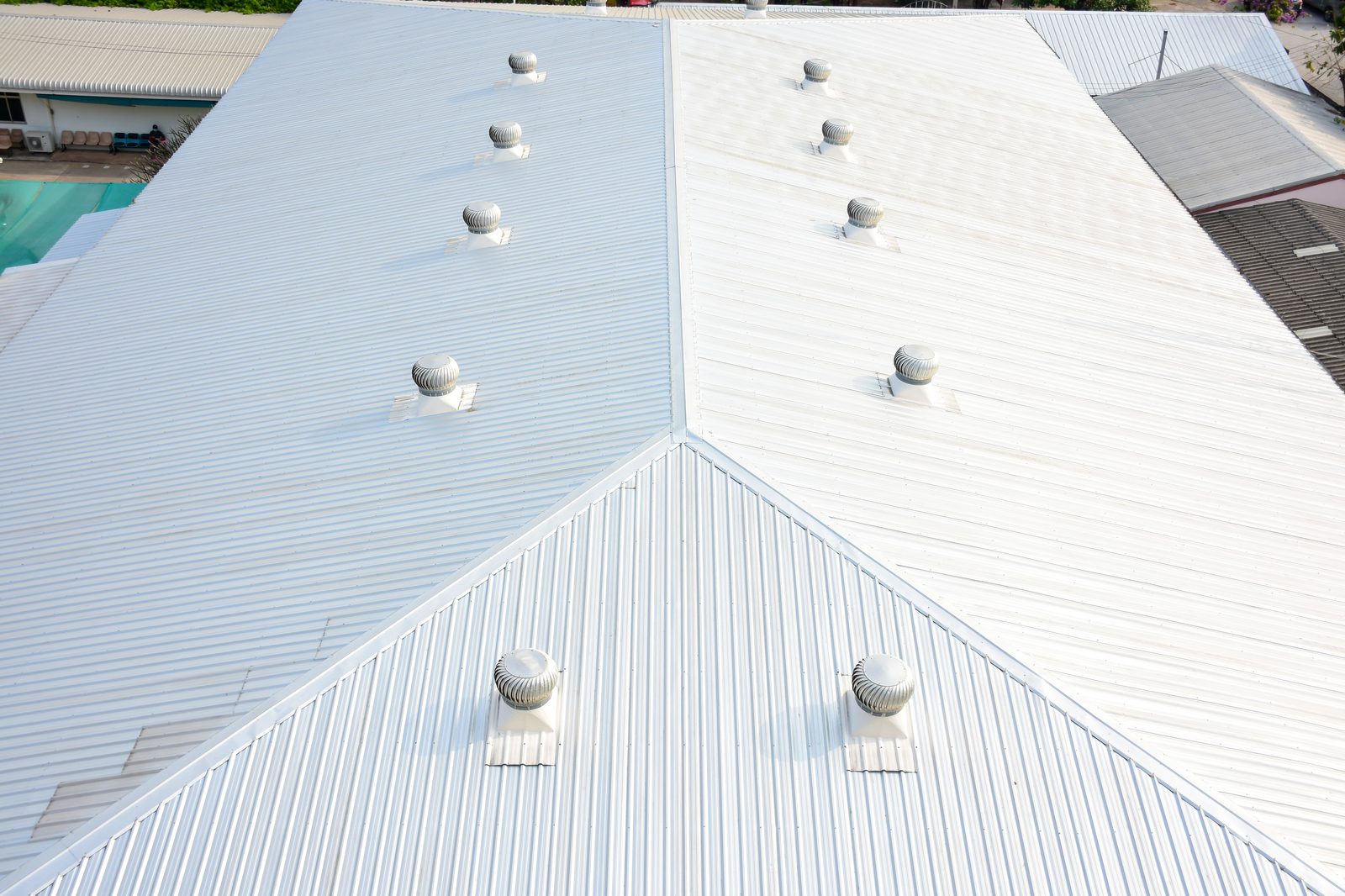
Commercial roofing serves business properties, warehouses, industrial facilities, and multi-tenant buildings throughout the San Francisco Bay Area. These projects differ from residential roofing in scale, material selection, and installation approach. Business owners and property managers need contractors who understand commercial building requirements and can minimize operational disruption during roof replacement or repair.
Bay Area commercial construction relies heavily on flat and low-slope roofing systems. The region's fog, moderate temperatures, and seasonal rainfall influence material selection and maintenance schedules. Most commercial buildings use membrane roofing systems that provide waterproofing, energy efficiency, and long-term durability for business operations.
This guide helps Bay Area property managers and business owners understand commercial roofing system types, material options, maintenance requirements, and contractor selection criteria. Whether planning a new roof installation, addressing repair needs, or establishing a preventive maintenance program, informed decisions protect your commercial property investment.
Types of Commercial Roofing Systems
Commercial buildings predominantly use flat or low-slope roofing systems, which differ significantly from the pitched roofs common in residential construction. Flat roofing systems have minimal pitch (typically 1:12 or less), while low-slope roofs range from 1:12 to 3:12 pitch. These designs accommodate rooftop HVAC equipment, allow for future expansion, and provide cost-effective coverage for large commercial footprints.
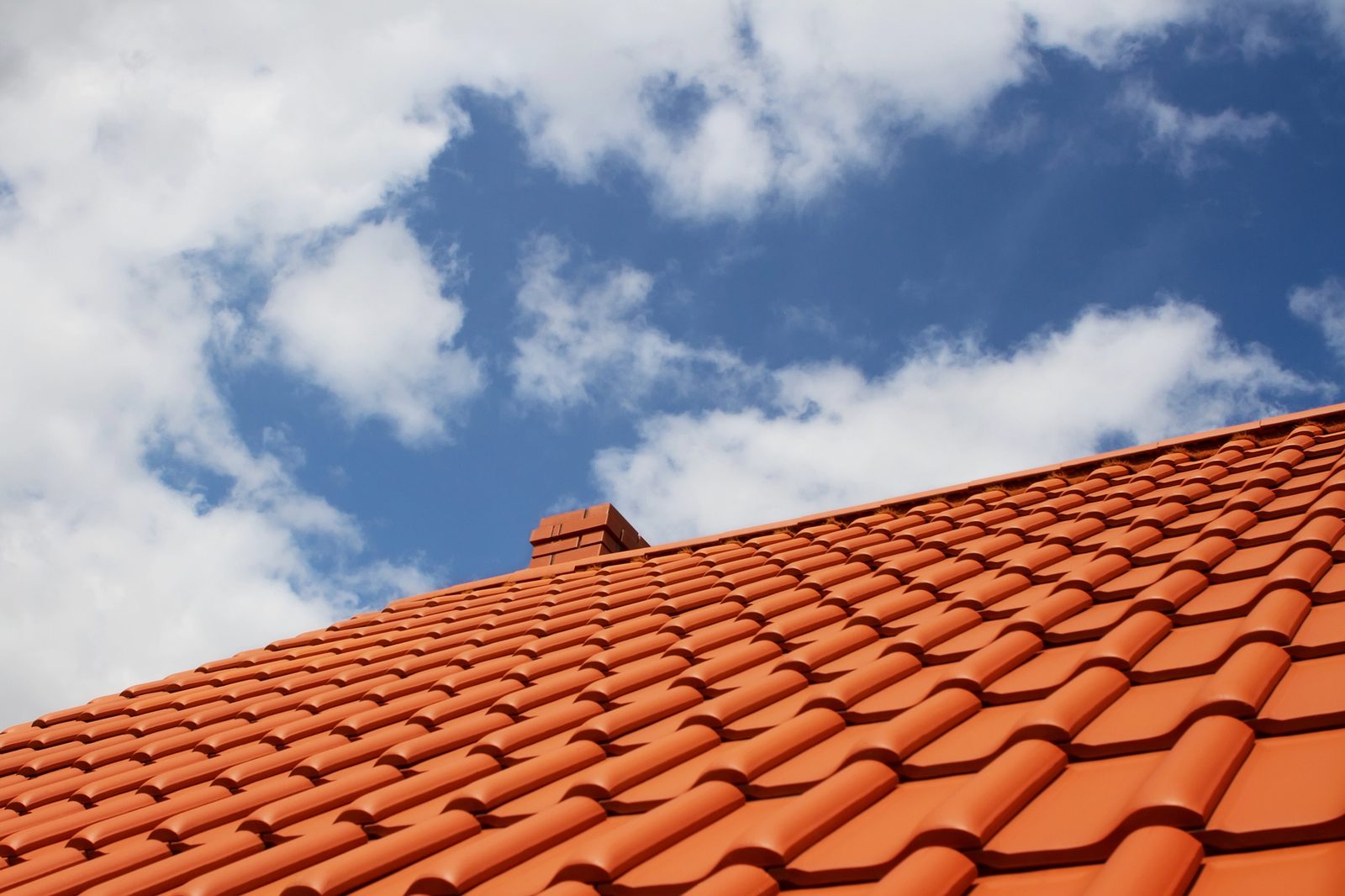
Built-up roofing (BUR) systems represent one of the oldest commercial roofing methods. Multiple layers of asphalt and reinforcing fabric create a waterproof barrier, topped with gravel or a smooth cap sheet. BUR systems offer proven longevity but require more labor and weight capacity than modern alternatives.
Single-ply membrane systems have become the most popular choice for Bay Area commercial properties. TPO (thermoplastic polyolefin), PVC, and EPDM membranes install in large sheets with seams that are either heat-welded or adhesive-bonded. These lightweight systems offer excellent waterproofing and faster installation than traditional built-up roofing.
Modified bitumen systems combine traditional asphalt technology with modern polymer reinforcement. Applied in multiple layers, these systems work well for low-slope applications and provide good puncture resistance for roofs with regular foot traffic or equipment installation.
Metal roofing serves industrial facilities and warehouse buildings throughout the Bay Area. Standing seam metal roofs offer exceptional longevity (40-60 years) and accommodate thermal expansion through their panel design. The region's moderate climate reduces the thermal cycling stress that shortens metal roof life in extreme temperature zones.
Bay Area commercial buildings perform best with systems designed for the region's fog exposure and moderate rainfall. Reflective membrane surfaces help reduce cooling costs in warmer East Bay locations, while proper drainage design prevents water pooling during winter rain seasons. Property managers considering different flat roofing systems should evaluate material options based on building use, budget constraints, and long-term maintenance plans.
Commercial vs. Residential Roofing
Commercial and residential roofing differ fundamentally in scale, complexity, and contractor requirements. Commercial projects cover larger areas, often 10,000-100,000 square feet or more, requiring specialized equipment like large-scale hot air welders, membrane rollers, and commercial-grade lifts. Residential roofers typically work with smaller crews and hand tools appropriate for pitched roof installation.
Material selection diverges significantly between commercial and residential applications. Commercial properties rely on membrane systems (TPO, EPDM, PVC) and built-up roofing, while residential construction predominantly uses asphalt shingles, tile, or residential metal panels. These material differences require distinct installation skills and manufacturer certifications.
Building codes and permit requirements impose stricter standards on commercial construction. Commercial roofing projects require engineering calculations for structural capacity, fire resistance ratings, and wind uplift resistance. Inspection requirements are more comprehensive, with multiple code checkpoints throughout installation. Residential projects face simpler approval processes and less stringent inspection schedules.
Timeline expectations differ due to project complexity and business continuity needs. Commercial roof replacement typically takes one to three weeks for moderate-sized buildings, with work often phased to keep businesses operational. Contractors schedule around tenant operations, sometimes working evenings or weekends to minimize disruption.
Contractor qualifications matter more in commercial applications. Not all residential roofers possess the commercial experience, insurance coverage limits, or bonding capacity required for business property projects. Property managers should verify that contractors have completed similar-scale commercial projects and carry appropriate liability insurance for commercial work.
Cost structure reflects these differences. Commercial roofing prices calculate per square foot ($4-12 typically), with total project budgets ranging from $15,000 for small commercial buildings to $100,000 or more for large facilities. Residential projects rarely exceed $30,000 even for premium materials.
Bay Area Commercial Roofing Materials
TPO membrane dominates Bay Area commercial roofing installations due to its energy efficiency and installation reliability. This thermoplastic material features heat-welded seams that create watertight bonds stronger than the membrane itself. White reflective surfaces meet California Title 24 cool roof requirements while reducing cooling costs for air-conditioned buildings. TPO systems typically last 20-30 years with proper maintenance and perform well in the Bay Area's moderate climate without the brittleness problems seen in extreme cold regions.
EPDM rubber membrane offers the most cost-effective commercial roofing option without sacrificing durability. This synthetic rubber material resists ozone and UV exposure, maintaining flexibility through temperature changes. Available in black or white formulations, EPDM installs with adhesive or mechanical fastening systems. The material costs less than TPO ($4-6 per square foot versus $5-7), making it attractive for budget-conscious projects. Expected lifespan matches TPO at 20-30 years when installed correctly.
PVC membrane represents the premium single-ply roofing choice for commercial applications. Chemical resistance makes PVC ideal for restaurant kitchens, manufacturing facilities, or any building with rooftop equipment that might leak oils or solvents. Heat-welded seams provide the same reliability as TPO, but PVC material costs run 20-30% higher. Bay Area commercial buildings with exposure to chemicals or grease benefit from PVC's superior resistance, justifying the additional expense. Properly maintained PVC systems last 25-35 years.
Modified bitumen systems serve commercial properties where traditional built-up roofing methods are preferred or where the roof must support heavy equipment or regular foot traffic. Multiple layers of asphalt-modified material create a robust, puncture-resistant surface. Installation requires torch application or cold adhesives, with cap sheets available in mineral-surfaced or reflective coatings. These systems cost $5-8 per square foot installed and typically last 15-25 years.
Metal roofing suits warehouse and industrial facilities throughout the Bay Area. Standing seam metal panels accommodate thermal expansion while providing a weathertight roof. Material options include galvanized steel, aluminum, and coated steel in various colors. Initial costs run higher ($8-12 per square foot), but 40-60 year lifespans often justify the investment for building owners planning long-term property retention.
Built-up roofing (BUR) maintains relevance for specific commercial applications despite newer membrane technologies. Multiple layers of asphalt and reinforcing fabric create a proven waterproofing system, topped with gravel ballast or smooth cap sheets. BUR systems handle foot traffic well and provide good puncture resistance. Costs range from $6-10 per square foot depending on the number of plies. Expected lifespan reaches 15-25 years with regular maintenance.
Bay Area climate considerations influence material selection. Reflective surfaces reduce heat absorption in warmer inland locations like San Jose and Walnut Creek, cutting air conditioning costs. Fog resistance matters along the coast and in San Francisco, where moisture exposure can accelerate material degradation if incompatible products are selected. Most Bay Area commercial properties perform well with TPO or EPDM membrane systems that balance cost, performance, and California energy code compliance.
Maintenance and Inspection Programs
Regular commercial roof inspections extend system life by 30-50% compared to reactive-only maintenance approaches. Property managers should schedule professional inspections twice yearly, typically in spring and fall. These checkpoints catch minor issues before they escalate into expensive repairs or interior damage that disrupts business operations.
Preventive maintenance tasks for commercial roofs include drain and scupper cleaning, membrane patch repairs, flashing inspection and resealing, and removal of debris that traps moisture. Bay Area buildings accumulate leaves and organic material during fall months, creating conditions for ponding water and accelerated membrane deterioration. Spring inspections verify that winter rainfall hasn't compromised seams or penetrations.
Warranty requirements often mandate documented maintenance to remain valid. Manufacturer warranties for membrane systems typically require annual or biannual professional inspections with written reports. Skipping maintenance can void warranty coverage, leaving property owners responsible for premature failure costs that would otherwise be covered.
Emergency repair response capabilities matter for commercial properties. A roof leak that would inconvenience a homeowner can shut down business operations, damage inventory, or create liability exposure. Experienced commercial contractors provide emergency service for urgent repairs, often responding within hours to temporary-patch critical leaks until permanent repairs can be scheduled.
Planned maintenance programs cost less than reactive repairs over a commercial roof's lifespan. Annual maintenance typically costs $500-1,500 for moderate-sized commercial buildings, while emergency repairs average $1,000-5,000 per incident. Property managers who establish regular roof maintenance programs with qualified contractors reduce long-term roofing costs and extend roof life to the maximum material capability.
Bay Area seasonal considerations affect maintenance timing. Pre-winter inspections (September-October) ensure roofs are ready for the rainy season. Post-winter inspections (March-April) identify any damage from accumulated moisture or storm events. Facility managers who follow this schedule protect their commercial investment and avoid business disruption from weather-related roof failures.
Minimizing Business Disruption During Roofing Work
Commercial roof replacement requires careful planning to maintain business operations during construction. Experienced contractors offer after-hours and weekend work schedules that avoid peak business activity. Retail properties often schedule roofing during evening hours after customer traffic declines. Office buildings may opt for weekend installations to avoid disrupting the work week.
Phased installation approaches divide large roofs into sections, with contractors completing one area before moving to the next. This strategy keeps most of the building operational and limits exposure of the roof deck to weather. A 20,000 square foot commercial building might be divided into four 5,000 square foot phases, with each section taking 2-3 days to complete.
Noise and access considerations affect occupied buildings differently than vacant structures. Membrane welding equipment, mechanical fastening, and tear-off activities generate substantial noise. Contractors should provide advance notice to tenants and coordinate access routes that minimize interference with employee parking, customer entrances, or delivery zones.
Safety protocols for occupied buildings exceed requirements for new construction or vacant properties. Contractors must secure the work area to prevent unauthorized access while maintaining fire exit routes and ADA-compliant pathways. Debris containment systems prevent materials from falling near building entrances or occupied areas.
Temporary roof protection matters during multi-day commercial projects. Contractors must weatherproof each section at the end of each work period, since sudden weather changes can occur even during dry seasons. Tarping protocols and temporary sealing procedures protect the building interior and business operations from unexpected rain.
Communication with tenants and employees reduces confusion and complaints. Property managers should distribute written notices explaining the project timeline, expected noise levels, parking impacts, and contact information for concerns. Regular updates during the project maintain transparency and manage expectations if weather or other factors cause delays.
Timeline planning for commercial roofing typically spans one to three weeks for moderate-sized buildings (5,000-20,000 square feet). Larger facilities may require four to six weeks. Weather delays and contingency planning should add 10-20% buffer time to any schedule. Bay Area's dry season (May-October) provides the most reliable weather windows, though commercial roofing can proceed year-round with proper precautions.
Experienced commercial contractors schedule work to minimize operational impact through advance planning, clear communication, and flexible installation approaches. Property managers should discuss business continuity requirements during the bidding process to ensure contractors can accommodate specific operational needs.
Finding Licensed Commercial Roofing Contractors
California requires all roofing contractors to hold a C-39 Roofing Contractor license issued by the Contractors State License Board. Property managers should verify active license status before accepting bids. License verification is available at CSLB.ca.gov and confirms the contractor's legal authorization to perform commercial roofing work in California.
Commercial experience verification separates qualified contractors from residential roofers attempting to expand into commercial work. Ask for commercial references including project size, building type, and completion timeline. Contact these references to verify the contractor's performance, communication quality, and ability to minimize business disruption.
Insurance requirements for commercial work exceed residential coverage limits. Commercial general liability insurance should carry limits of at least $2 million per occurrence. Workers' compensation insurance protects property owners from liability if crew members are injured on site. Request certificates of insurance naming your property as additionally insured before work begins.
Bonding requirements apply to larger commercial projects, particularly public sector or institutional work. Performance bonds guarantee project completion if the contractor defaults. Payment bonds protect property owners from mechanic's liens if contractors fail to pay material suppliers or subcontractors. Projects over $50,000 often benefit from bonded contractors.
Commercial project portfolios demonstrate contractor capability. Review photos of completed projects similar in size and complexity to your building. Flat roof membrane installations require different skills than residential shingle work. Contractors with extensive commercial portfolios understand business continuity needs and code compliance requirements.
Multiple bids provide cost comparison and reveal contractor professionalism. Request quotes from three to five licensed commercial roofing contractors. Commercial estimates should include detailed material specifications, labor costs, permit fees, warranty terms, and project timeline. Low bids may indicate insufficient insurance coverage, unlicensed subcontractors, or inferior materials.
Manufacturer certifications identify contractors authorized to install specific roofing systems. TPO and PVC manufacturers maintain approved installer networks trained in proper installation techniques. Certified installers often provide enhanced warranty coverage backed by the manufacturer, offering property owners additional protection beyond contractor warranties.
Red flags include contractors licensed only for residential work bidding on commercial projects, insufficient insurance coverage for the project size, reluctance to provide commercial references, and pressure to start work immediately without proper permitting. Property managers should investigate licensing complaints through CSLB and verify contractor business history before signing contracts.
Bay Area contractors with commercial experience understand local building code requirements, typical permit timelines for different municipalities, and seasonal weather patterns affecting project scheduling. Local contractors also provide faster emergency response when urgent repairs are needed outside regular business hours.
Understanding how to hire a commercial roofing contractor protects your commercial property investment and ensures work meets California building codes. Property managers who verify credentials, check references, and compare multiple qualified bids make informed decisions that minimize risk and ensure quality installation. For a comprehensive list of licensed professionals, browse our directory of licensed commercial roofing contractors serving the Bay Area with verified credentials and commercial experience.
Frequently Asked Questions
How much does commercial roofing cost in the Bay Area?
Commercial roofing costs in the Bay Area range from $4-12 per square foot installed, depending on material and complexity. TPO and EPDM are most affordable ($4-7/sq ft), PVC runs $7-10/sq ft, and metal roofing costs $8-12/sq ft. Total project costs vary widely based on building size, with typical commercial buildings ranging from $15,000 to $100,000+.
How long do commercial roofs last?
TPO and EPDM membrane roofs last 20-30 years with proper maintenance. PVC systems can last 25-35 years. Metal roofing lasts 40-60 years. Built-up roofing (BUR) systems typically last 15-25 years. Regular maintenance and inspections significantly extend lifespan. Bay Area's mild climate helps commercial roofs last longer than in extreme weather regions.
Do I need a permit for commercial roofing work?
Yes, commercial roofing projects require building permits in all Bay Area jurisdictions. Contractors typically handle permit applications. Inspections are required before final approval. Permit costs range from $500-2,000+ depending on project size and city. Timeline for permit approval is 2-4 weeks in most Bay Area cities.
What is the best roofing material for flat commercial roofs?
TPO and EPDM are the most popular flat roof materials in the Bay Area. TPO offers energy efficiency with its white reflective surface and heat-welded seams. EPDM provides excellent durability at lower cost. Both perform well in Bay Area's fog and moderate climate. Choice depends on budget, energy goals, and building use.
Can commercial roofing be done in winter?
Commercial roofing can be installed year-round in the Bay Area, but winter rain (October-April) may cause delays. Many contractors prefer spring through fall for optimal weather. Membrane systems like TPO and EPDM require dry conditions during installation. Plan for weather contingencies and flexible timelines during winter months.
Protecting Your Commercial Property Investment
Commercial roofing represents a significant investment in your Bay Area business property. Understanding system types, material options, maintenance requirements, and contractor selection criteria helps property managers make informed decisions that protect building value and business operations.
The Bay Area's commercial roofing market offers qualified contractors with experience in membrane systems, metal roofing, and built-up applications. Whether replacing an aging roof, addressing repair needs, or establishing a preventive maintenance program, working with licensed professionals ensures code compliance, proper installation, and long-term performance.
Explore additional roofing services available through our directory, or connect with experienced commercial roofing contractors who understand Bay Area building requirements and business continuity needs.